
10 Critical Factors to Consider When Choosing a Colocation Provider
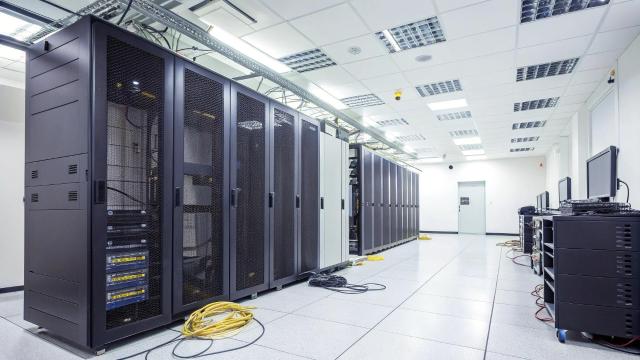
Colocation remains one of the key ways for businesses in Europe and the United States to host their corporate IT infrastructure. Companies place their equipment in a provider’s data center to gain industrial-grade reliability, round-the-clock support, and access to high-speed networks — all while maintaining full control over configuration and security.
Choosing a colocation provider directly affects system stability, client connectivity speed, regulatory compliance, and total cost of ownership. The evaluation process should be comprehensive — considering not just price, but also infrastructure, connectivity, security level, and technical support.
Below are 10 factors that will help you choose a reliable colocation provider. Each of them influences service quality, resilience, and the long-term efficiency of your project.
1. Location
The data center’s location is the foundation of the entire project. It determines network latency, legal compliance, and resistance to external risks. For companies operating in Europe or the U.S., it’s essential to consider three aspects: IP address localization, data storage regulations, and proximity to major Internet Exchange Points (IXPs).
Geography and latency. The closer the data center is to your users and offices, the lower the latency and the higher the connection stability. For latency-sensitive services — such as financial platforms, SaaS, CRM systems, or analytics tools — even an extra 10–20 milliseconds can be critical. Therefore, it’s logical to choose a facility located near your primary audience or close to major network hubs.
Regulatory requirements. In Europe, data protection is governed by GDPR, while in the U.S., compliance is subject to various federal and state regulations. If your company stores or processes personal data, the data center must be located within an approved jurisdiction. In some sectors — such as finance, healthcare, or government — data localization is a mandatory contractual requirement.
IP allocation and network capabilities. The IP addresses assigned by the provider should be recognized as belonging to a specific country — this matters for marketing, legal, and operational reasons. Clarify who owns the IP prefixes, whether you can use your own, and how the provider manages BGP announcements and routing.
Proximity to IXPs. Being located near major Internet Exchange Points shortens data paths, improves speed, and increases the reliability of connections to cloud providers, content platforms, and partners. It also reduces downtime risks caused by individual network outages and simplifies bandwidth redundancy.
2. Connectivity
Connectivity determines how flexibly and reliably your equipment interacts with the outside world. In colocation projects, it’s one of the key factors influencing performance, fault tolerance, and infrastructure scalability.
Diversity of carriers. The more telecom and Internet providers are available within a data center, the more resilient the network becomes. A multi-carrier environment allows you to connect your equipment through several independent channels, balance traffic loads, and ensure redundancy. This is especially critical for systems where even a few minutes of downtime can impact business operations or violate SLAs.
Network redundancy. Reliable data centers provide redundancy at least on an N+1 level — meaning there’s always an additional path in case of failure. A good practice is to have physically separate cable routes so that an outage in one segment doesn’t disrupt all traffic. Before choosing a provider, clarify how redundancy is implemented and whether you can flexibly manage load balancing between carriers.
Cloud and partner connectivity. Modern companies rarely operate in isolation. Many require direct integration with cloud providers such as AWS, Microsoft Azure, and Google Cloud. Direct connections (e.g., Cloud Connect, Direct Connect, ExpressRoute) help reduce latency and enhance security since traffic bypasses the public Internet.
IXP proximity and interconnection. Data centers located near major Internet Exchange Points (IXPs) provide shorter routes and improved performance for network applications — an essential factor for SaaS platforms, e-commerce, and real-time services.
3. Compliance and Certifications
For companies operating in Europe and the U.S., compliance with security and industry standards is not just a formality — it’s a foundation of trust. A data center that lacks proper certifications can become a weak point in your infrastructure and a source of legal risk.
International standards. The most common certifications include ISO/IEC 27001 (information security management), ISO 9001 (quality management), and ISO 50001 (energy management). These confirm that the provider has established processes for access control, redundancy, monitoring, and incident management.
Industry-specific requirements. Certain sectors require additional compliance frameworks: SOC 2 Type II (data reliability and access control), PCI DSS (for organizations handling payment card data), and HIPAA (for healthcare data in the U.S.). If your business involves financial transactions, insurance, or healthcare, make sure the data center can meet these standards.
Regional differences. In Europe, compliance with the GDPR is mandatory for all organizations processing personal data, including colocation providers. In the U.S., the approach is more fragmented — various industry and state-level regulations apply. However, most major data centers adhere to international best practices to serve global clients effectively.
4. Physical and Network Security

Security is the foundation of any data center. It includes physical protection, access control, engineering redundancy, and network security. For businesses, these measures guarantee that data and equipment remain safe under any circumstances.
Physical security. Modern data centers are built with a “multi-layered perimeter” approach. This typically includes a secured area, 24/7 video surveillance, access control via badges, PIN codes, and biometrics, as well as mandatory registration for all visitors and contractors. Access to server rooms is granted only to authorized personnel, and all activities are logged in the security system.
Engineering reliability. The Uptime Institute Tier classification (I–IV) reflects the level of infrastructure redundancy. Tier III is considered the optimal choice for corporate systems — it ensures at least two independent power and cooling paths, allowing maintenance without downtime. For mission-critical applications, Tier IV offers full redundancy and automatic failover of systems.
Fire and environmental protection. Data centers are equipped with early smoke detection, gas-based fire suppression systems, and intelligent cooling solutions. These components minimize the risk of incidents and data loss while improving the facility’s energy efficiency (PUE).
Network security. Beyond physical protection, a provider must ensure strong cybersecurity at the network level — including firewalls, DDoS protection, VLAN segmentation, and continuous traffic monitoring. These measures prevent unauthorized access and mitigate external attack risks.
Power redundancy. A high-quality data center features multiple independent power feeds, diesel generators, and UPS systems capable of sustaining operations until full restoration. Redundancy schemes such as N+1 or 2N guarantee uptime even during grid failures.
5. Range of Additional Data Center Services
Colocation today is far more than just renting rack space and power. For many businesses, the range of additional services plays a decisive role — helping reduce the load on internal IT teams and improving operational efficiency.
Remote Hands and Smart Hands. These essential services allow providers to perform physical tasks without requiring your staff on-site — such as server reboots, drive replacements, cable management, or device installation. Always check whether such services are available 24/7 and what the provider’s average response time is.
Equipment rental and leasing. Some providers offer rental options for servers, networking gear, racks, and peripherals. This is convenient for companies that need to scale temporarily without large capital expenditures. The ability to quickly rent or replace equipment is especially useful for project-based businesses or seasonal traffic peaks.
Cloud and hybrid solutions. Many data centers offer their own cloud platforms or direct connections to public clouds. This enables hybrid architectures — part of the infrastructure remains colocated, while another part operates in the cloud, maintaining low latency and unified security policies.
Infrastructure management. A reliable provider can take over basic technical support tasks such as monitoring, incident notifications, firmware updates, and simple administration. This is particularly valuable for companies that lack an in-house 24/7 IT team.
6. Service Level Agreements (SLAs)
An SLA (Service Level Agreement) defines the quality standards and responsibilities of the provider toward the client. For colocation services, it plays the same role as a utility contract — outlining guarantees, performance metrics, and consequences for non-compliance.
Core metrics. An SLA typically includes key performance indicators such as uptime, incident response time, resolution time, and maintenance procedures. The industry standard is 99.982% uptime or higher (Tier III), equivalent to about 1.6 hours of downtime per year. For mission-critical systems, it’s 99.995% or more.
Scope of responsibility. It’s important to understand which infrastructure components are covered by the provider and which remain under the client’s control. For example, a data center may guarantee uninterrupted power and cooling, but not the stability of your software or network devices. Before signing, clarify these boundaries and how communication is handled during incidents.
Response and escalation. A solid SLA defines response times and escalation procedures. For critical incidents, a typical standard is an initial response within 15 minutes and 24/7 access to on-site engineers. These parameters are especially vital for companies without their own around-the-clock support team.
Planned maintenance and notifications. Providers must notify clients of planned maintenance, testing, or upgrades in advance. The SLA should specify the notice period and the steps taken to prevent service interruptions during such work.
Accountability and compensation. If the provider breaches SLA terms, clients are usually entitled to service credits or discounts. While the compensation amount may be modest, its presence demonstrates the provider’s maturity and willingness to take responsibility.
7. Cost and Total Cost of Ownership
Pricing is one of the most sensitive factors when choosing a colocation provider, especially for small and medium-sized businesses. However, focusing solely on the base rack rate is a common mistake. The real cost includes rent, power, bandwidth, additional services, and hidden fees.
Pricing structure. Most providers offer a base package (rack space, power, cooling, network connection) plus optional add-ons such as redundant links, cross-connects, Remote Hands, or equipment rental. When comparing offers, analyze the complete cost structure — a higher monthly fee may include services that other providers bill separately.
Power and energy consumption. Electricity is the largest cost component. Clarify how consumption is calculated — based on fixed power capacity (kW) or actual usage. Some data centers apply dynamic pricing tied to regional energy rates. It’s also important to confirm whether cooling is included in the tariff.
Hidden costs. These may include setup fees, migration charges, new circuit installations, cross-connect maintenance, or hourly labor for on-site engineers. If the provider doesn’t disclose such details upfront, your total cost may exceed initial expectations.
TCO comparison. Total Cost of Ownership (TCO) accounts for not only direct expenses but also administration, downtime, and SLA-related risks. In many cases, a slightly more expensive provider with higher reliability and 24/7 support proves more cost-effective over time.
8. Support

Reliable technical support is one of the most underestimated yet decisive factors when choosing a colocation provider. Even the best-designed infrastructure can face outages, updates, or unforeseen maintenance. In those moments, the provider’s response speed and engineer expertise determine whether your business stays online.
24/7 availability. For most companies, round-the-clock support without exceptions is critical — especially if clients or users are distributed across multiple time zones. Confirm what communication channels are available: phone, ticket system, chat, or an emergency hotline.
Instant communication. In today’s environment, communication speed is as important as technical skill. A provider should offer immediate contact options — by phone, corporate messenger, or live chat. A quick initial response helps assess the scale of the issue and minimize downtime.
Response and resolution times. These metrics are typically defined in the SLA. For critical incidents, the initial response should occur within 15–30 minutes, and resolution within about an hour. The shorter these intervals, the more mature the provider’s operational processes are. Reliable data centers also track and report actual response times for full transparency.
Engineer qualifications. The provider must have on-site technical specialists trained to handle equipment from different vendors, manage both network and server infrastructure, and strictly follow safety standards. Having an in-house team on the premises ensures rapid physical intervention when needed.
9. Migration and Relocation
Migrating infrastructure to a data center is a complex process requiring careful planning, technical coordination, and minimal downtime. When evaluating a colocation provider, it’s important to understand what migration and relocation options are available — both for initial setup and future expansion.
Migration assistance. Reliable data centers offer physical migration support, including unloading, installation, connection, and verification of your equipment. These services are often included in long-term contracts. Ask which steps the provider covers and whether they’re included in the base package.
Minimizing downtime. A well-executed migration plan ensures that equipment remains offline for as little time as possible. Detailed scheduling, reserved network capacity, and coordinated switching of power and network links all help avoid disruptions. The more experienced the provider’s team, the lower the risk of unplanned issues.
Data migration. Beyond physical relocation, data transfer or configuration migration may also be required. Providers offering direct cloud connectivity simplify this step — allowing part of the data to be temporarily stored or synchronized via cloud platforms without interrupting services.
Transparent costs. Some providers include migration in the onboarding package, while others charge separately for each phase. Understanding the cost structure in advance — installation, transportation, and disconnection fees — helps you avoid unexpected expenses and plan your budget accurately.
10. Provider Reputation
Reputation is one of the most reliable indicators of a data center’s quality. Even with similar technical specifications, facilities can differ dramatically in service level, transparency, and customer focus. A trustworthy colocation provider is not just about hardware and certificates, but also a proven track record with enterprise clients.
Reviews and case studies. Start by analyzing feedback on independent platforms and professional forums. Pay special attention to comments from companies similar to yours in size and industry. If a provider publishes client case studies with concrete metrics (uptime, provisioning speed, project scale), that’s a sign of openness and real-world experience.
References. Ask the provider for contacts of current customers — most mature companies are willing to provide references. Speaking directly with clients gives the clearest picture of support responsiveness, billing transparency, and how disputes are handled.
Company history and stability. Check how long the provider has been in the market and whether they operate their own data centers or lease capacity. Providers with owned infrastructure are generally more flexible and can guarantee quality at every level — from engineering to SLA. If your footprint is distributed, it’s also important whether the operator has an international presence and support in multiple countries.
Transparency and communication. Note how readily the provider shares information about capacity, certifications, and availability metrics. An open communication policy signals confidence in their service level and mature internal processes.
Awards & Accreditations. Awards and accreditations can offer useful insight into a colocation provider's credibility and long-term operational standards. UK-based providers such as those operating purpose-built colocation facilities like Datum align with recognised industry frameworks, helping organisations assess reliability, security practices, and compliance maturity alongside reputation and customer feedback
A good data center is not just a building with servers — it’s a partner that ensures business continuity. Prioritizing long-term reliability, process maturity, and transparent communication at the selection stage leads to calmer, more predictable operations down the road.