Operations | Monitoring | ITSM | DevOps | Cloud

The Reason Loading JavaScript Takes So Long #coding #webdevelopertools #chromedevtools #programming

Master the art of loading JavaScript efficiently in this essential Concepts of Web Performance tutorial with Todd Gardner from Request Metrics. Perfect for entry-level web developers struggling with slow websites, this video breaks down the critical differences between standard blocking scripts, async, and defer attributes that dramatically impact your site's performance.

Optimizing Script Placement for Web Performance

Master the art of loading JavaScript efficiently in this essential Concepts of Web Performance tutorial with Todd Gardner from Request Metrics. Perfect for entry-level web developers struggling with slow websites, this video breaks down the critical differences between standard blocking scripts, async, and defer attributes that dramatically impact your site's performance. Learn when and why to use each loading technique, understand how JavaScript execution blocks HTML parsing and CSS rendering through clear waterfall and flame chart visualizations, and discover why defer is usually your best option for most scenarios.
Loading JavaScript on your Website - Concepts of Web Performance

Master the art of loading JavaScript efficiently in this essential Concepts of Web Performance tutorial with Todd Gardner from Request Metrics. Perfect for entry-level web developers struggling with slow websites, this video breaks down the critical differences between standard blocking scripts, async, and defer attributes that dramatically impact your site's performance. Learn when and why to use each loading technique, understand how JavaScript execution blocks HTML parsing and CSS rendering through clear waterfall and flame chart visualizations, and discover why defer is usually your best option for most scenarios.
Understanding the Chrome DevTools Timeline

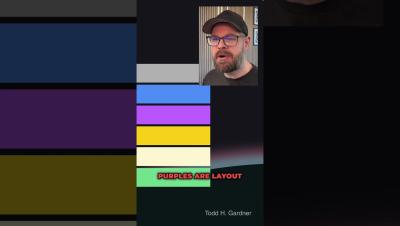
Learn how to decode flame charts in this essential Concepts of Web Performance tutorial with Todd Gardner from Request Metrics. Perfect for entry-level web developers, this quick guide demystifies the intimidating flame charts found in Chrome DevTools that visualize your browser's main thread activity. Discover how to identify performance bottlenecks by understanding the color-coding system—gray for browser tasks, blue for HTML parsing, purple for layout and paint operations, dark yellow for script compilation, and light yellow for JavaScript execution.

Understanding JavaScript Performance with Flame Charts

Learn how to decode flame charts in this essential Concepts of Web Performance tutorial with Todd Gardner from Request Metrics. Perfect for entry-level web developers, this quick guide demystifies the intimidating flame charts found in Chrome DevTools that visualize your browser's main thread activity. Discover how to identify performance bottlenecks by understanding the color-coding system—gray for browser tasks, blue for HTML parsing, purple for layout and paint operations, dark yellow for script compilation, and light yellow for JavaScript execution.

A Simple HTML Document in a Flame Chart

Learn how to decode flame charts in this essential Concepts of Web Performance tutorial with Todd Gardner from Request Metrics. Perfect for entry-level web developers, this quick guide demystifies the intimidating flame charts found in Chrome DevTools that visualize your browser's main thread activity. Discover how to identify performance bottlenecks by understanding the color-coding system—gray for browser tasks, blue for HTML parsing, purple for layout and paint operations, dark yellow for script compilation, and light yellow for JavaScript execution.

Visualizing Browser Performance with Flame Charts

Learn how to decode flame charts in this essential Concepts of Web Performance tutorial with Todd Gardner from Request Metrics. Perfect for entry-level web developers, this quick guide demystifies the intimidating flame charts found in Chrome DevTools that visualize your browser's main thread activity. Discover how to identify performance bottlenecks by understanding the color-coding system—gray for browser tasks, blue for HTML parsing, purple for layout and paint operations, dark yellow for script compilation, and light yellow for JavaScript execution.

Reading Flame Charts for Web Performance

Learn how to decode flame charts in this essential Concepts of Web Performance tutorial with Todd Gardner from Request Metrics. Perfect for entry-level web developers, this quick guide demystifies the intimidating flame charts found in Chrome DevTools that visualize your browser's main thread activity. Discover how to identify performance bottlenecks by understanding the color-coding system—gray for browser tasks, blue for HTML parsing, purple for layout and paint operations, dark yellow for script compilation, and light yellow for JavaScript execution.

Measuring Largest Contentful Paint with Request Metrics

Measuring Largest Contentful Paint (LCP) is important because it helps you understand how quickly the main content of a web page loads and becomes visible to users. LCP focuses on when the largest visible element—like a hero image, heading, or video—renders in the viewport, making it a key indicator of perceived load speed. Optimizing for LCP ensures faster, smoother interactions, enhancing both user satisfaction and search engine ranking. Let's see how you can get to the bottom of any LCP problems in Request Metrics!