Operations | Monitoring | ITSM | DevOps | Cloud

What are AWS EC2 Instances? A Tutorial for EC2 Metrics Shipping with Logz.io

Amazon Elastic Compute Cloud (a.k.a., EC2), is no doubt the core current computing infrastructure. It sits at the heart of AWS, the main kind of structure for housing virtual machines and containers for development and operations. Applying standards of observability with EC2 logs and obviously EC2 metrics (or any kind of AWS metrics for that matter) will inform you on if you have the right sorts of instances in place (and the appropriate size of those instances).

Auto-Instrumenting Node.js Apps with OpenTelemetry

In this tutorial, we will go through a working example of a Node.js application auto-instrumented with OpenTelemetry. In our example we’ll use Express, the popular Node.js web application framework. Our example application is based on two locally hosted services sending data to each other. We will instrument this application with OpenTelemetry’s Node.js client library to generate trace data and send it to an OpenTelemetry Collector.

Get Started with the Public Beta for Unified Dashboards

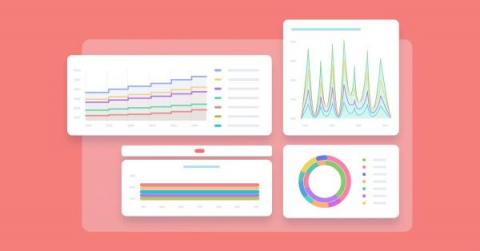
During Logz.io’s ScaleUp 2021 user conference, we announced that Unified Dashboards were coming to you soon. And now it’s finally here for anyone to try during the Public Beta. Unified Dashboards will allow Logz.io customers to analyze and filter their logs, metrics, and traces side-by-side on a single monitoring dashboard. Check out our recent blog to learn about why we built Unified Dashboards and the value they bring to customers.

GCP Integrations for Metrics with Logz.io

Logz.io has dedicated itself to encouraging and supporting cloud-native development. That has meant doubling down on support for AWS and Azure, but also increasing our tie-ins with Google Cloud Platform – GCP. Recently, our team added dozens of new integrations for metrics covering the gamut of products in the GCP ecosystem.

Introducing Logz.io Event Management: Accelerating Collaborative Threat Response

In the domain of cyber threat response, there’s a critical resource that every organization is desperately seeking to maximize: time. It’s not like today’s DevOps teams aren’t already ruthlessly focused on optimizing their work to unlock the greater potential of their human talent. Ensuring your organization to identify and address production issues faster – and increase focus on innovation – is the primary reason why Logz.io and its observability platform exist.

Detailed Insight, Right on Time: Introducing Scheduled Alerts

Logz.io customers, here’s some big product news that we think you’ll be excited to hear. Scheduled Alerts, an altogether new manner of alerting, is coming your way. That’s right, get ready to utilize a whole new world of alerts that weren’t previously available in the Logz.io platform.

Logz.io Anomaly Detection: Shedding Light on "Unknown Unknowns"

Moving beyond traditional monitoring to embrace full stack observability offers a seemingly endless range of benefits. Beyond unifying logs, metrics, and traces in a single platform, the opportunity to enlist advanced analytics and engage a more predictive approach represents another huge step forward.

Announcing Service Performance Monitoring in Early Access

Today, we’re thrilled to announce the early access of our Service Performance Monitoring capability. As today’s DevOps teams know all too well, monitoring application requests in modern microservices architectures is extremely difficult. Requests typically travel across a vast ecosystem of microservices and, as a result, it is often a significant challenge to pinpoint a specific failure in one of these underlying services.

Announcing Logz.io Unified Dashboards

In today’s cloud environments, a typical observability stack might include an Elasticsearch cluster for logging, a few Prometheus servers for metrics monitoring, and an AppDynamics deployment for APM. You may run something similar – most observability stacks consist of multiple siloed tools dedicated to collecting and analyzing specific types of monitoring data.