Operations | Monitoring | ITSM | DevOps | Cloud

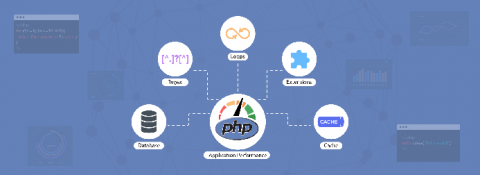
A beginner's guide to monitoring desktop applications

Desktop applications are self-contained programs that operate without any external hosting software. While a web application typically requires a web server to translate the program into HTML content for the web browser to consume, desktop applications deliver the service directly to end-users. We use a number of desktop applications day to day, like conferencing tools, stock management software, source control desktop applications like GIT and Tortoise, photo editing tools, and so on.

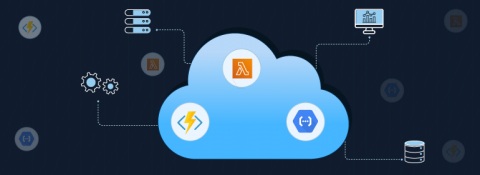
Automating serverless workflows with Amazon EventBridge

Event-driven applications have become the foundation for developing modern digital applications. Application workflows are easier to automate with serverless frameworks, and Amazon EventBridge has revolutionized the way serverless applications are built. Since serverless is the new cool kid in the town, there has been a lot of infrastructure reengineering. This blog describes how alert-driven business logic can automate serverless workflows using Amazon EventBridge.

Unlock the flexibility and financial benefits of Azure VMs with Site24x7

Virtual machines (VMs) are one of the on-demand, scalable computing resources that Microsoft Azure offers. They enable streamlined allocation of resources in backup, disaster recovery, and deployment environments. A VM is typically chosen when you need more control over your computing environment. However, Azure VMs come with the challenge of simultaneously monitoring them across multiple environments when the VMs are spread unevenly, with some being overutilized and others underutilized.

Best practices for database performance optimization

Proactive database performance monitoring is essential to maintain resource utilization and system performance. As data volumes grow, it is critical to monitor databases properly to deliver a seamless enduser experience, and lower IT infrastructure costs. Pinpointing database issues as they occur can assist in faster troubleshooting, and keeping the health of the application intact. Without monitoring, database outages may go unnoticed, and lead to loss of business reputation and profit.

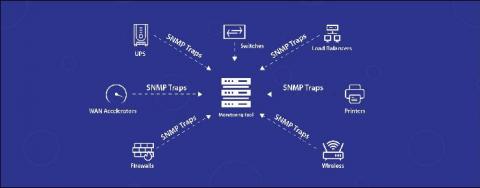
Complement your network monitoring with SNMP traps

Network device monitoring with Simple Network Management Protocol (SNMP) gives you complete visibility into the health and availability of your network devices. Monitoring tools conduct periodic checks to gather device status and performance metrics. The device's status is updated only when a check is initiated by the monitoring system in the defined time interval. Any fault that happens in between polls is only captured when the next check is initiated.

Key metrics for monitoring JVM performance

It has been 25 years since Java came into existence, and it is still one of the preferred platforms among enterprise applications. As technologies evolved, Java's functionality and programming flexibility also matured in parallel, positioning it as a relevant language for over two decades. New memory management systems and garbage collection algorithms are an outstanding example of this evolution.

Service and process monitoring: At a glance

With Site24x7 Server Monitoring, you can track the availability and system-level metrics of your servers, including CPU, memory, disk usage, and more. But did you know that you can also monitor the performance of each and every service and process running on your servers? Don't fall behind Almost all applications rely on a large number of services (for Windows) and processes (for Linux) to run smoothly and effectively.

Breaking down network complexities with network mapping

Is it possible for network engineers to gain complete visibility over all the components in an enterprise network? With new devices constantly connecting and disconnecting, creating a mental image of the entire network is impossible. This is where network mapping comes in. Using Simple Network Management Protocol (SNMP), you can see a visual representation of your network and every connected device for an easy-to-understand look at your dynamic network.

The role of infrastructure management in optimizing digital transformation

Digital transformation has now become a reality. It has moved a long way from being an option to a necessity, especially after the outbreak of COVID-19. While every department in an organization is being digitized, businesses reckon digital experience management as a key strategy in optimizing their transformation journey and also in creating a robust business model.

Log management: The key to centralized log aggregation and easy troubleshooting

A large number of security breaches are impacting industry verticals, including banking, financial services and insurance (BFSI), telecom, and hospitality, so there's a growing need for organizations to fortify their infrastructure against these threats. For example, by the time T-Mobile identified the intrusion and unauthorized access to its sensitive data in 2019, both its customer and employee details were already stolen by hackers.