Operations | Monitoring | ITSM | DevOps | Cloud

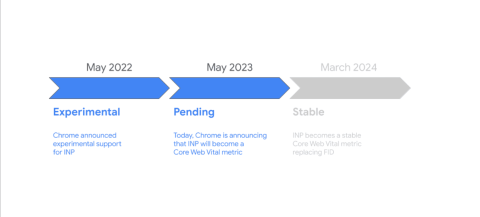
Web Performance Metrics: Why INP Is Your Most Practical UX Performance KPI

Every developer has seen this scene: a user clicks a button, nothing happens, they click again—still nothing—and by the third frustrated tap, three overlapping modals explode onto the screen. The page wasn’t slow to load. It was slow to respond. This highlights the importance of perceived performance—how fast and responsive a website feels to users—which can shape user satisfaction regardless of actual load times.
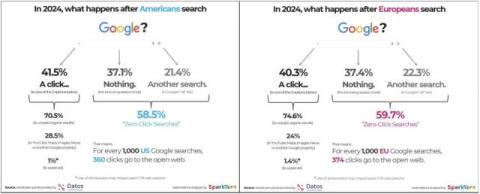
Beyond the Blue Link: UX Patterns for Google's AI Overviews, AI Mode & Answer Engines

The blue link is dying—but not in the way we expected. When Google’s AI Overviews began appearing at the top of the search results page, the SEO community panicked. Publishers watched click-through rates plummet. The Pew Research Center confirmed their fears: searchers who encounter an AI summary are half as likely to click on traditional search results (8% vs. 15%).

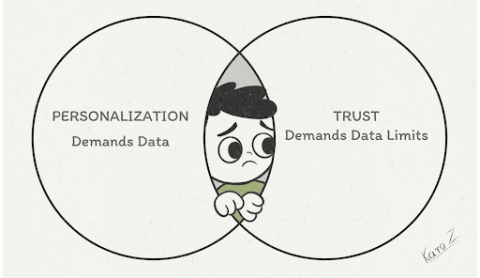
The Personalization Paradox: When Tailored UX Turns "Creepy"

“Stop watching me.” That’s an actual message a user typed into a search bar, captured during session monitoring. They weren’t talking to customer support. They were talking to the algorithm. It sounds absurd until you realize how common this is. When users believe a human is behind your personalization system, attributing consciousness to your automated algorithms, everything changes. Their behavior becomes erratic. Your conversions tank. And nobody talks about it.

E-Commerce Micro-Friction: The Conversion Killer You're Not Measuring (...But Should Be)

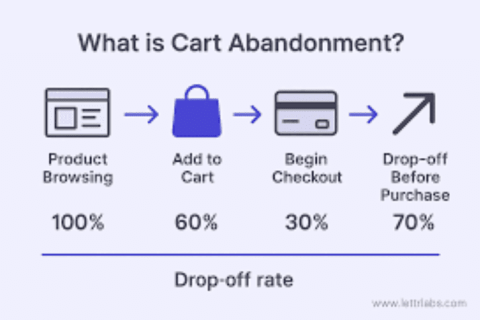
Friction density (the number of stacked micro-frictions in a single session) is the predictor of abandonment we don’t talk about enough. And guess what? It beats any single UX metric by 2× when it comes to predicting lost sales.

From Cost Centre to Compounding Advantage

Most teams still treat bugs like little fires to put out. A ticket gets logged. Someone investigates. A fix gets pushed. Then it’s onto the next one. But here’s the thing nobody tells you: Every bug is a chance to get smarter. And in 2025, the best teams aren’t the ones logging the fewest bugs. They’re the ones learning the most from every bug they fix.

Fix Bugs Faster-Without the Fire Drills

Most bug-fixing workflows are productivity traps in disguise. You’re mid-sprint, someone logs an issue, and suddenly the next two hours are gone. You’re pinging teammates, digging through logs, jumping into five different tools just to answer basic questions like: That’s time you don’t get back. That’s context-switching that kills momentum. That’s what GermainUX was built to eliminate.

Finding UX Friction (...Before It Becomes a Problem)

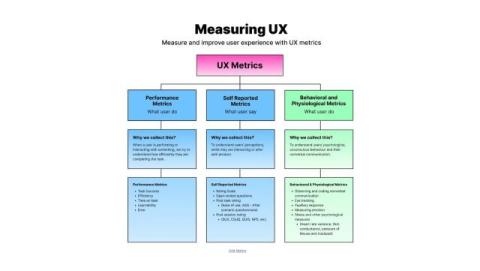
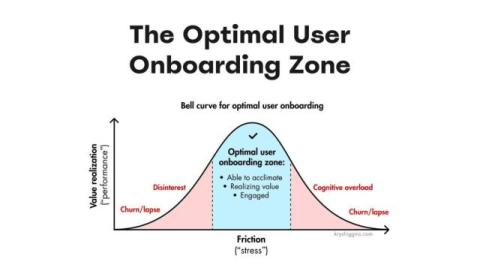
Make it smooth. Reduce friction. Keep users moving. That’s solid advice. No one enjoys filling out a form with 10 unnecessary fields or dealing with a checkout process that feels like a maze. But you can’t fix friction if you don’t know where it’s happening. Big companies like Amazon, Netflix, and Airbnb don’t just guess where users are struggling. They track the right UX metrics, run experiments, and fine-tune their products constantly.

Is There Such a Thing as Good Friction in UX?

If you’ve ever worked on a digital product—or just used one—you’ve probably heard this advice a million times: reduce friction. Make things fast. Make them seamless. Remove anything that slows users down. That’s solid advice. No one wants to fill out a form with 20 fields just to sign up for an app. Nobody enjoys a checkout process that feels like solving a puzzle. But here’s the thing: sometimes friction is actually a good thing.

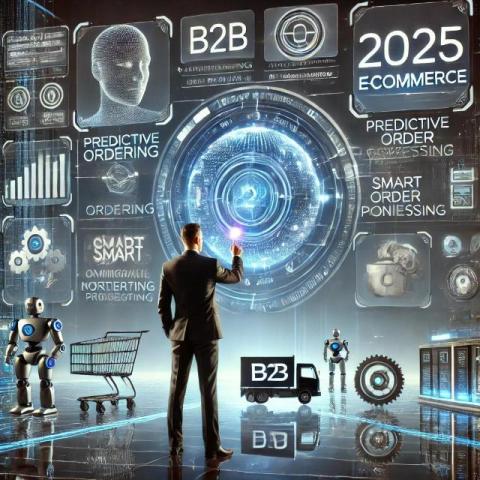
Top B2B eCommerce Strategies for 2025: Less Hassle, More Sales

B2B eCommerce is finally catching up. While B2C has spent the last decade perfecting oneClick checkouts and AI-powered recommendations, B2B has been stuck in the past—relying on email chains, phone orders, and clunky procurement systems. But that’s changing. Fast. With B2B eCommerce sales already more than double D2C sales (we’re talking $7.7 trillion vs. $3.8 trillion), companies are finally realizing they need to streamline and automate the way they sell.

Top B2C eCommerce Strategies in 2025: What's Actually Working

ECommerce is a mess right now. Luxury platforms are crashing. Social commerce is booming (but probably not for long). CAC is through the roof. And somehow, despite all this, brands still need to find a way to stand out, sell, and make money. If you’re running an eCommerce brand in 2025, here’s what’s actually working—and what’s just hype.