Operations | Monitoring | ITSM | DevOps | Cloud

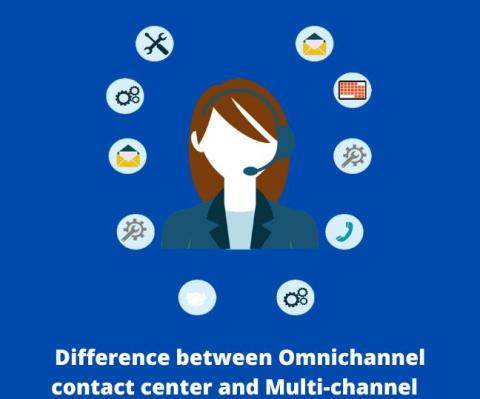
Difference between Omnichannel contact center and Multi-channel

In the business world, customer service is key. Businesses need to have a well-run contact center to provide the best possible service to customers. There are two types of contact centers that enterprises can choose from – an omnichannel contact center or a multi-channel contact center. So, what’s the difference between the two? An omnichannel contact center is one that allows customers to reach out through multiple channels, such as phone, email, chat, or social media.

A Guide to Effective Hybrid Cloud Management

Cloud computing is becoming extremely popular. As a result, the trust in hybrid Cloud platforms is also increasing day by day. By combining the benefits of a Cloud platform with legacy systems, the hybrid cloud model offers something for every kind of business. But, without a strategy to manage operations on a hybrid Cloud model, it is challenging to extract maximum value from it. This blog will examine the best practices for hybrid Cloud management.

What is Hybrid Cloud Monitoring?

Cloud computing is becoming extremely popular. As a result, the trust in hybrid Cloud platforms is also increasing day by day. By combining the benefits of a Cloud platform with legacy systems, the hybrid cloud model offers something for every kind of business. But, without a strategy to manage operations on a hybrid Cloud model, it is challenging to extract maximum value from it. This blog will examine the best practices for hybrid Cloud management.

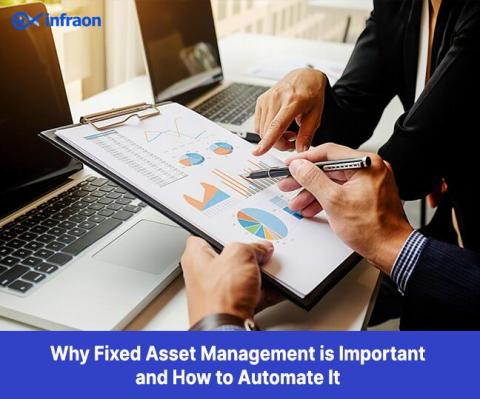
Why Fixed Asset Management is Important and How to Automate It?

A centralized mechanism for managing company assets not only streamlines inventory management but also lays down procedures and SOPs that increase the efficiency of all business operations. Fixed asset management (FAM) has been in place for several years. Still, with the introduction of automation, business owners’ control over their assets is remarkable and noteworthy. Here are the top reasons why automating FAM should be your top priority now!

IT Service Management (ITSM) Best Practices that Drive the Business Value

Even when services were limited to on-premise hardware solutions, managing IT assets and services was very difficult. Now that the services used and offered by companies on the IT front have expanded exponentially, their management has become more critical and, of course, more difficult. IT service management solutions have therefore become necessary for businesses. Here are some insights on ITSM software best practices for 2022.

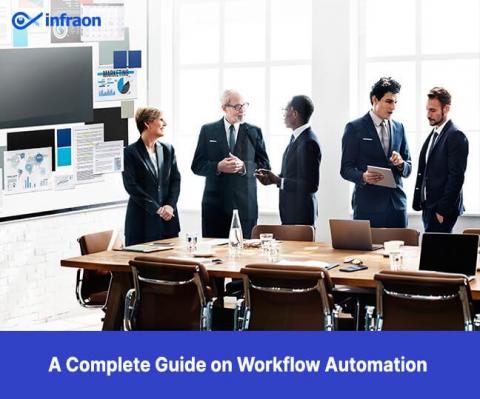
A Complete Guide on Workflow Automation for 2024

The world has come far ahead of manual data processing. Without automating data-dependent complex backend procedures, businesses cannot think of scaling at the rate at which one would desire. Automating workflow is the best solution for this problem. In this blog, let us examine the automation culture from every angle and learn about automation and ITSM best practices.

A Close Look Into Helpdesk Metrics & Service Desk KPIs

How can you deliver quality support, retain existing customers, and expand your customer reach without measuring customer support performance and identifying areas for improvement? You can’t, at least not to the optimal level that today’s customers expect. Helpdesk metrics are essential tools that measure the performance of a support team. By analyzing these metrics, businesses can identify areas where the team is excelling and areas where improvements are needed.

SaaS Customer Support Best Practices in 2025

No matter how well-developed your product is, it’s likely that a customer will have questions at some point during the process. When they do, it’s helpful in many ways for them to be greeted by an efficient and effective customer support team. Understanding what makes for exceptional SaaS customer support and how to implement it can significantly improve your company’s performance.

Ultimate guide for Helpdesk Management System

Businesses rely on customers. That is a simple truth. Even as organizations develop products and offer multiple services, they look for customers who buy what they sell. For, without the revenue generated by this transaction, how would they grow and develop more products to sell? You could say that customers fulfill a fundamental need for businesses to thrive and flourish. However, as they grow and the number of customers increases, managing them and their expectations can become challenging.