Operations | Monitoring | ITSM | DevOps | Cloud

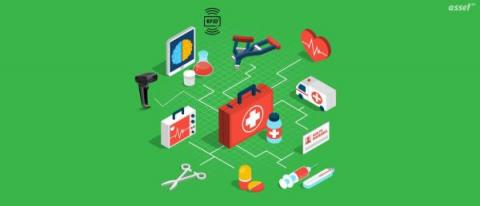
Real-time visibility and control over assets with RFID in the healthcare industry

The healthcare industry is a complex and rapidly evolving sector that requires real-time visibility and control over assets to optimize operations and ensure the delivery of quality care. One of the technologies that can provide such visibility and control is Radio Frequency Identification (RFID). RFID can enable healthcare providers to track, manage, and monitor their assets in real-time, leading to improved efficiency, reduced costs, and better patient outcomes.

Improving supply chain management with RFID technology in the manufacturing sector

In the manufacturing sector, effective supply chain management is critical to success. With increasing pressure to reduce costs, improve efficiency, and ensure timely delivery of products, manufacturers are constantly seeking innovative ways to optimize their supply chain operations. One technology that has gained popularity in recent years for improving supply chain management is RFID (Radio Frequency Identification).

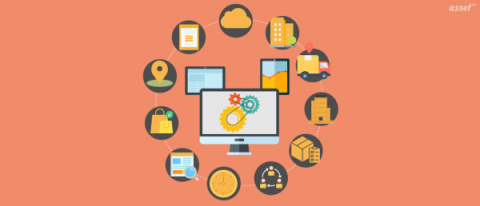
How RFID technology can optimize asset utilization in offices

Offices are complex environments where assets are always moving, from furniture and equipment to files and documents. Tracking these assets can be a difficult and time-consuming process. RFID technology can help optimize asset utilization in offices by providing real-time visibility and location tracking of these assets.

RFID solutions for efficient inventory management in retail

Introduction: Efficient inventory management is the backbone of any successful retail business. With the rise of e-commerce, consumers have more options than ever, which means retailers must prioritize a streamlined supply chain to stay competitive. Radio Frequency Identification (RFID) solutions have become increasingly popular in recent years as a way to improve inventory management.

Boosting Customer Experience with RFID-enabled Self-checkout in Retail Industry

In recent years, self-checkout systems have become increasingly popular in retail stores. These systems enable customers to scan and bag their items themselves, reducing the time spent waiting in line and improving the overall shopping experience. However, traditional self-checkout systems require customers to manually enter the product code or scan the barcode, which can be time-consuming and frustrating.

How RFID Helps in Inventory Management?

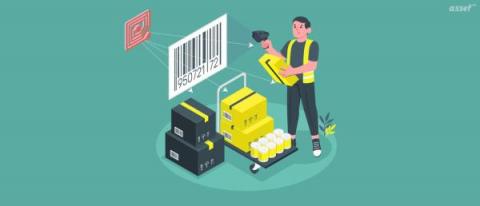
RFID, or radio frequency identification, is a technology that has been around for decades but has gained increasing popularity in recent years due to its ability to streamline inventory tracking and management. RFID software systems use radio waves to identify and track objects, making them a valuable tool for businesses looking to optimize their operations. In this blog post, we will explore how RFID works and where it is used, with a particular focus on its role in inventory tracking.

What Is the Purpose of a Ticketing System?

In the past, when an issue occurred in operations, it was chaotic as the IT team needed time to understand and resolve the issue. However, with the use of a ticketing system, organizations can streamline their IT processes and resolve issues more efficiently. In this blog, we will discuss what a ticketing system is, its purpose, and how it benefits customer support-based organizations. ‍

What Are Purchase Requisitions & Why Is It Important?

In any organization, managing and controlling expenses is crucial for maintaining financial stability. Purchase requisitions are an essential part of this process, as they enable businesses to track and control their purchasing activities. A purchase requisition is a formal request made by an employee to their supervisor or purchasing department to purchase goods or services.

What is the Difference Between Preventive Maintenance and Predictive Maintenance?

Maintenance is a critical aspect for organizations, especially those that possess a considerable number of valuable assets. The primary objective of maintenance is to enhance the longevity of assets and prevent unexpected failures. Unanticipated equipment failure can be more costly than scheduled maintenance, which is why regular maintenance is essential. Equipment downtime negatively impacts the productivity of the organization.

How Much Does an RFID (Radio Frequency Identification) System Cost?

Once there was a time when Barcode was the only option for asset tracking but now as the technology has evolved so much there are several asset tracking technologies available. Now the client wants only the best, here RFID comes into play. RFID has acquired a big market and lots of business verticals use this technology. Several other organizations are thinking of using RFID technology.