Operations | Monitoring | ITSM | DevOps | Cloud

The Evolution of DevOps From Concept to Best Practice

Software development, the evolution of DevOps has been nothing short of revolutionary. What began as a simple concept has transformed into a best practice that is reshaping the way organisations develop, deploy, and maintain their software. In this blog post, we will take a journey through the evolution of DevOps, from its humble beginnings to its current status as an indispensable part of modern software development.

Kubernetes Autoscaling for Continuous Integration/Continuous Deployment

Continuous Integration/Continuous Deployment (CI/CD), the ability to adapt swiftly to fluctuating workloads is paramount. Kubernetes, with its dynamic orchestration capabilities, offers an invaluable toolset for achieving seamless scalability. This article explores the concept of Kubernetes autoscaling and its pivotal role in optimising CI/CD pipelines.

Unlocking Kubernetes Deployment Excellence with CI CD Automation

Software development, agility and efficiency are paramount. Continuous Integration and Continuous Deployment (CI/CD) practices have revolutionised the way we build, test, and deploy software. When coupled with the power of Kubernetes, an open-source container orchestration platform, organisations can achieve a level of deployment excellence that was once only a dream.

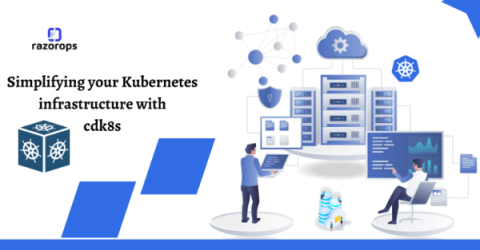
Simplifying your Kubernetes infrastructure with cdk8s

Kubernetes has become the backbone of modern container orchestration, enabling seamless deployment and management of containerized applications. However, as applications grow in complexity, so do the challenges of managing their Kubernetes infrastructure. Enter cdk8s, a revolutionary toolset that transforms Kubernetes configuration into a developer-friendly experience.

Maximizing Efficiency and Collaboration with Top-tier DevOps Services

In today’s fast-paced digital landscape, where software development and deployment happen at lightning speed, DevOps has emerged as the key to achieving operational excellence and maintaining a competitive edge. DevOps is more than just a buzzword; it’s a culture, a set of practices, and a collection of powerful tools that streamline collaboration between development and operations teams.

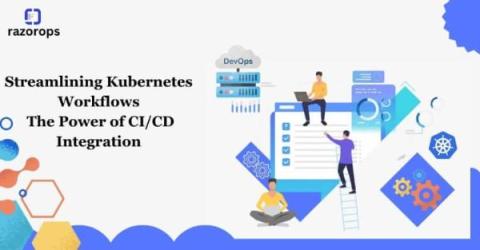
Streamlining Kubernetes Workflows The Power of CI/CD Integration

In the ever-evolving landscape of software development, where agility and reliability are paramount, Kubernetes has emerged as a game-changer with its container orchestration capabilities. However, as applications become more complex and distributed, managing Kubernetes workflows presents a unique set of challenges.

Best Practices and Potential Loopholes for Successful Microservices Architecture

Microservices architecture is a software development approach where an application is built as a collection of small, loosely coupled, independently deployable services. Each service focuses on a specific business capability and operates as an autonomous unit, communicating with other services through well-defined APIs. This architectural style is often used in the context of DevOps to create more efficient, scalable, and manageable systems.

Best Practices for implementing DevOps in Organizations

Are you curious about DevOps and how it’s transforming the world of technology? Look no further! In this blog, we will dive into the fascinating world of DevOps and explore its significance and need in today’s fast-paced digital landscape. From its definition and importance to real-world examples of epic fails and their solutions, we’ll cover it all. So, grab a cup of coffee, sit back, and let’s embark on this DevOps journey together!

5 Types of Git WorkFlow & Explanation of each Flow

As you might be aware, each team has its own unique workflow based on the project type, size of the company, team preferences, and a number of other factors. The larger the team, the more difficult it is to keep things under control: disputes become more regular, delivery deadlines may postpone, priorities always change - the list may go on and on. Adapting Git is the first step in resolving these challenges, as it can be used in almost any workflow.