Automate the "offboarding" process for dormant contractor accounts with this workflow template. Set the workflow to run daily, weekly, or at any interval you require.
Automation can transform how security teams operate, but knowing where to start can be the most difficult part. At Torq, we help teams make these decisions every day. Using our no-code automation platform, security teams can be up and running with their first workflow in as little as a few hours. The secret to making it work is our template library. This 45 minutes webinar will show you how to begin an automation program from scratch, using Torq.
It’s been reported that 88% of all data breaches are caused by human error. Even the most security-aware employees are still susceptible to mistakes, especially when it comes to social engineering and the ubiquitous phishing email.
As recent vulnerabilities like log4j have shown, having a standardized approach to identifying vulnerabilities and applying patches is essential to organizations looking to keep their systems safe from exploits. Whether it's preventative maintenance or responding to new 0-days, a continuous vulnerability management program ensures that security teams can rapidly identify risks and work cross-functionally to deploy patches and verify successful remediation.
For today's digital-first organizations, a Cloud Security Posture Management Platform (CSPM) is a critical part of a successful cybersecurity program. CSPMs can identify risks across cloud environments in real-time, ensuring security, IT and DevOps teams are alerted to critical gaps in your security posture.
Security teams are struggling to keep up with the increasing number of attack surfaces and the demands on remediating those attack surfaces in real-time. Security automation is the key to unlocking your security team’s productive potential, but traditional SOAR platforms (Security Orchestration, Automation, and Response) are complex and can take months of development to implement your first automation response sequence.
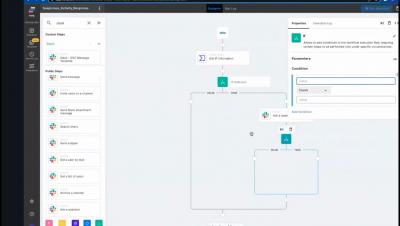
The challenges and workloads facing today’s security teams are not getting easier, but the response methods of security teams are still manual, utilizing a patchwork of security tools that are not connected nor communicating with each other. What if you could utilize your organization’s most common communication tool (i.e. Slack) to bring security communications and operations into every part of your organization?