
Operations | Monitoring | ITSM | DevOps | Cloud

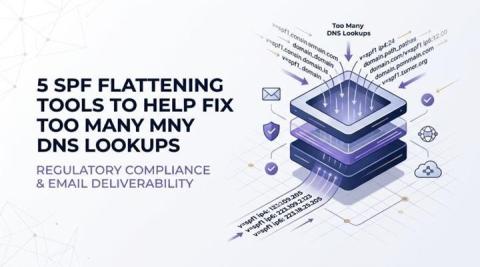
5 SPF Flattening Tools To Help Fix Too Many DNS Lookups

Maintaining secure and efficient email authentication is a foundational element of corporate email infrastructure, but managing the Sender Policy Framework (SPF) comes with unique challenges-chief among them, the DNS lookup limit. The IETF's RFC 7208 defines a hard ceiling: a single SPF record may trigger no more than 10 DNS lookups per SPF evaluation, or risk an immediate Too Many Lookups Error that can result in SPF failures and lost email.

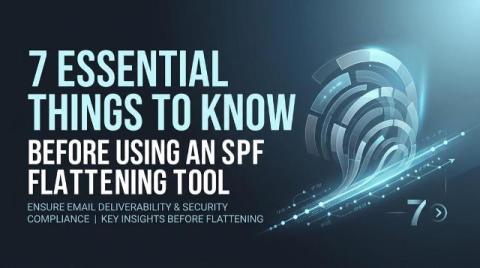
7 Essential Things to Know Before Using an SPF Flattening Tool

TL;DR: If you're considering an SPF flattening tool to manage your organization's sender policy framework, you must understand what SPF flattening does, why DNS lookup limits are critical, the risks to dynamic SPF updates, potential security tradeoffs, the need for automated monitoring, DNS and SPF record formatting restrictions, and regular testing. Properly managed, a flattened SPF record can ensure SPF compliance and avoid errors, but improper use can lead to maintenance burden, rejected emails, and security holes.

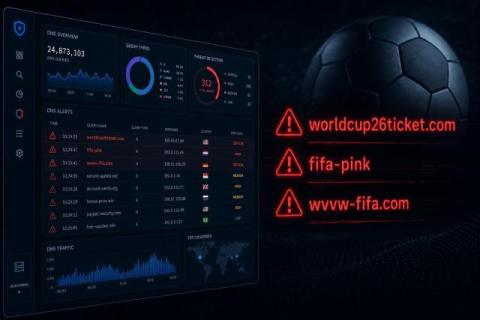
498 Fake FIFA World Cup Domains and How Phishing Sentinel Catches Them

The FBI published a warning last week. Threat actors have registered more than 498 fake domains tied to the 2026 FIFA World Cup. Fake ticket sites. Fake job listings. Fake merchandise stores. All live in DNS right now. Every one of those domains is catchable. Not after victims report fraud. Before anyone gets hurt. That is what DNS Spy’s Phishing Sentinel is built to do.

How AI-Powered Phishing Is Changing What 'Suspicious Email' Looks Like

For years, spotting a phishing email was almost a checklist exercise. Look for typos, watch for broken grammar, be suspicious of generic greetings like "Dear user," and check if the sender's address looks strange. That mental model worked because phishing emails actually looked bad. Which is no longer true. With the rise of AI, attackers can generate emails that are grammatically perfect, context-aware, and indistinguishable from legitimate business communication. The obvious red flags are gone. What used to look suspicious now looks completely normal.

CISOs, This Is How You Prevent Phishing Incidents in 2026

By 2026, phishing has evolved in terms of methods in use and the scope of attacks to the point where static tools and email filters are no longer sustainable. In these conditions, the prevalence of manual malware analysis in security teams becomes an issue in itself. In businesses and organizations, the alert volume is too high to rely on manual investigation. It slows response times, overwhelms analysts, and lowers focus on high-priority tasks.

How Phishing Attacks Disrupt IT Operations and the Tools That Can Prevent Them

A lot of bad things start happening in the company's computer or network when an employee opens the email and clicks the link. A lot of people think that phishing only takes passwords. In reality, it makes things much worse for the whole company.

New Phish Kit Warning: Tykit's Evasion Tricks and What Analysts Should Do

A new phishing kit, Tykit, is rapidly spreading, using malicious SVG files to mimic Microsoft 365 login pages and steal corporate credentials. Linked to hundreds of compromised accounts across finance, IT, government, and telecom sectors, it shows how simple code tweaks can outsmart traditional defenses. ANY.RUN experts traced 180+ sandbox sessions revealing the kit's infrastructure and patterns, and how analysts can detect it within minutes where standard scanners see nothing.

What Is an Email Blacklist?

An email blacklist is a database that lists IP addresses or domains suspected of sending spam or malicious emails. Mail servers use these lists to decide whether to deliver or reject incoming messages. Understanding how blacklists work is essential for keeping your messages deliverable and your domain reputation intact.

Phishing Attacks Explained: How to Identify and Report Online Scams Before It's Too Late

Phishing attacks aren't slowing down - they're multiplying. According to the UK's National Cyber Security Centre, over 45 million phishing scams have been reported since 2020, with businesses across the UK losing hundreds of millions each year to fake emails, texts, and cloned websites. These scams aren't amateur attempts; they're professional operations built to deceive even the most vigilant employees. A single click on a malicious link can expose sensitive data, disrupt operations, or trigger costly ransomware attacks.

How to Detect and Stop M365 Phishing Attacks for Free

Kelvin Tegelaar, founder of CyberDrain joins the NinjaOne Community stream to discuss Check, a new open source tool to identify and block malicious login pages before credentials can be compromised. Learn more about this new tool and how to provide real-time protection against Microsoft 365 phishing attacks.