Autonomously Remediates Software Issues, Generates Missing Runtime Evidence on Demand, and Validates Hypotheses Against Live Execution from Code to Production.
Onboarding new engineers to complex Kubernetes environments is expensive. Junior engineers need to learn cluster architecture, understand organizational conventions, navigate internal documentation, and build relationships with senior team members who can answer questions. The process takes weeks or months, and during that time, senior engineers spend significant time mentoring instead of working on complex problems.
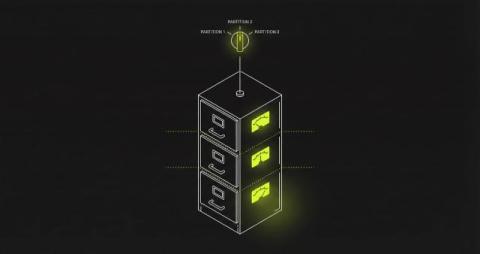
How database partitioning works in PostgreSQL and MySQL. Range, list, and hash partitioning with SQL examples and guidance on when to partition vs shard. Prathamesh works as an evangelist at Last9, runs SRE stories - where SRE and DevOps folks share their stories, and maintains o11y.wiki - a glossary of all terms related to observability.
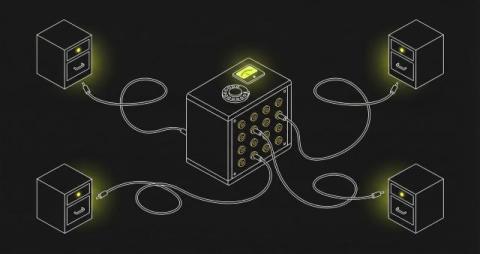
How database sharding works, common strategies (hash, range, directory), shard key selection, and the operational cost of running a sharded database in production. Prathamesh works as an evangelist at Last9, runs SRE stories - where SRE and DevOps folks share their stories, and maintains o11y.wiki - a glossary of all terms related to observability.
Tune PostgreSQL and MySQL for production with connection pooling, memory configuration, write path optimization, vacuum management, and lock contention fixes. Technical Product Manager at Last9.
Distributed traces track how your system processed a single request — not what your customers did over time. Confusing the two leads to poorly instrumented systems.
Find and fix slow SQL queries using execution plans, missing index detection, N+1 pattern fixes, and pagination strategies for PostgreSQL and MySQL. Product Marketing Manager.
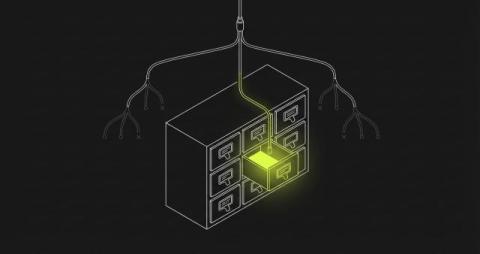
How database indexes work, when to use B-tree vs hash indexes, clustered vs non-clustered indexes, and how to tell if your indexes are actually helping.
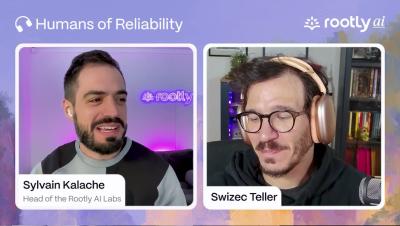
In this episode, Swizec Teller, author of the bestselling Scaling Fast, makes a bold claim: code is cheap, reliability is not. As AI coding tools accelerate feature development, the real competitive advantage shifts to operating systems reliably in production. We explore the hidden complexity of SRE work, the addictive nature of agentic coding, and why ownership — not automation — remains at the core of modern software engineering.