Operations | Monitoring | ITSM | DevOps | Cloud

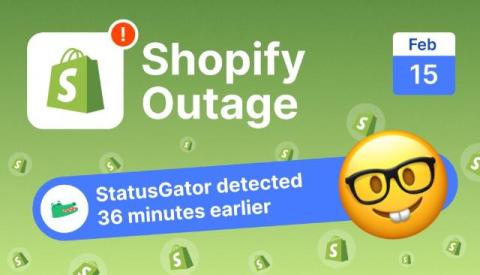
Shopify outage on February 15, 2026

On February 15, 2026, Shopify experienced a widespread service disruption that impacted merchants and shoppers around the world. While the provider did not acknowledge the issue until 15:36 UTC, StatusGator’s Early Warning Signals detected unusual activity and alerted customers at 15:00 UTC, just minutes after the first outage reports began coming in. This incident highlights the importance of independent, real time monitoring.
Sponsored Post

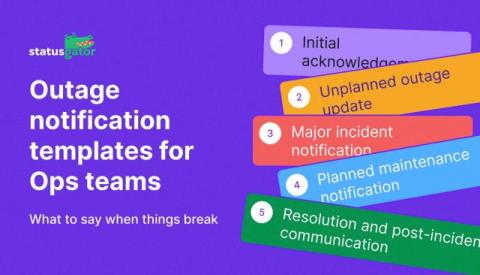
What to Say When Things Break: Outage Notification Templates for Ops Teams

This practical guide explains what to say when systems break, offering ready-to-use outage notification templates and best practices to help ops teams communicate clearly during incidents. Learn how effective outage communication can reduce confusion, manage user expectations, and maintain trust during service disruptions.

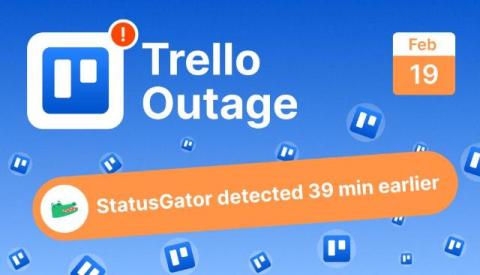
Trello outage on February 19, 2026

On February 19, 2026, Trello users around the world began experiencing issues loading boards and accessing their workspaces. StatusGator received the first outage reports at 14:24 UTC and triggered an Early Warning Signal at 14:28 UTC. Trello did not officially acknowledge the incident until 15:08 UTC, after user reports had already subsided. This incident highlights how real time user reports and Early Warning Signals can identify widespread service degradation before providers confirm a problem.

Amazon Web Services outage - February 10, 2026

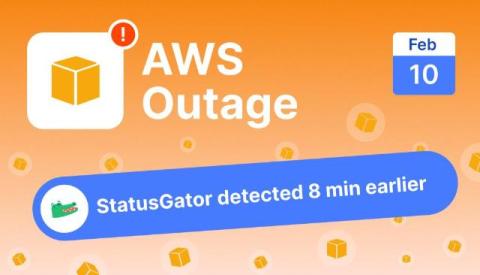
On February 10, 2026, Amazon Web Services (AWS) experienced an outage that triggered widespread reports of CloudFront failures and DNS resolution issues. While AWS later acknowledged the incident, StatusGator detected the disruption earlier using Early Warning Signals, giving customers valuable lead time before the provider confirmed anything publicly.

Claude outage - February 10, 2026

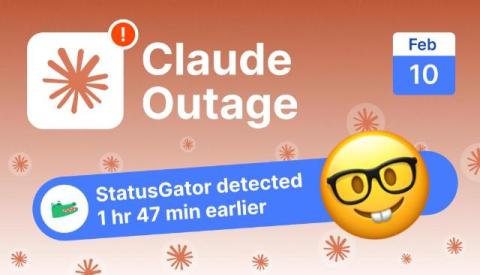
On February 10, 2026, Claude users around the world began reporting service failures affecting chat sessions, API integrations, and Claude Code workflows. The first verified outage report reached StatusGator at 19:33 UTC. StatusGator issued an Early Warning Signal at 20:24 UTC. Claude did not post an official “Investigating” update until 22:11 UTC. This incident clearly demonstrates the gap between real user impact and official status page updates.

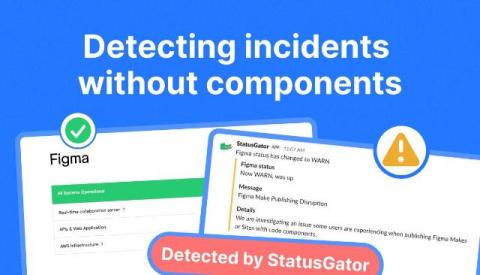
Detecting incidents without components

StatusGator monitors services and their individual components, so you can stay informed about the systems you rely on – and filter down to only the components you care about. Most status pages do a good job of tagging incidents to the affected components. But sometimes providers publish incident updates without marking any components as impacted, even when the incident clearly affects something real.

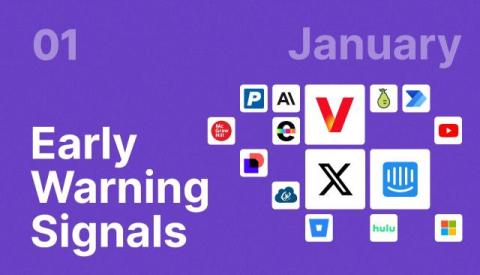
January 2026 Early Warning Signals

January 2026 saw a wave of high-impact service disruptions across social platforms, telecom providers, developer tools, education services, and streaming apps. In several cases, StatusGator detected problems minutes or even hours before providers publicly acknowledged them, and in many cases, providers never acknowledged them at all. Unfortunately, many providers still do not have public status pages, leaving users with little visibility into what is happening during an outage.