Operations | Monitoring | ITSM | DevOps | Cloud

How to Responsibly and Effectively Contribute to Open Source Using AI

With the influx of AI tooling, it’s never been easier to contribute to open source communities. These tools are capable of gathering context quickly, “understanding” repositories faster than ever before. They provide instant summaries about repositories that, previously, would have meant reading lines and lines of code. They can fix bugs in programming languages you don’t know, and ultimately allow more contributors to get involved, which (almost) every open source project wants.

Integrating JMX and OpenTelemetry

The OpenTelemetry community and the contributors to the Java Special Interest Group (SIG) have spent a great deal of time integrating core Java technologies into the project. An integration that is particularly useful is Java Management Extensions (JMX). It has been around since J2SE 5, and has been mature for some time. Many of the most widely used Java applications have adopted it over time and support this extension.

Observability Day San Francisco: The Future of AI and Observability Is Bright

AI and observability are no longer separate conversations—they’re deeply intertwined. Across keynotes, panels, and demos, speakers at Honeycomb's Observability Day San Francisco unpacked what that means for engineering teams today: faster insights, smarter tools, and new challenges to solve.

Introducing Honeycomb Intelligence Canvas

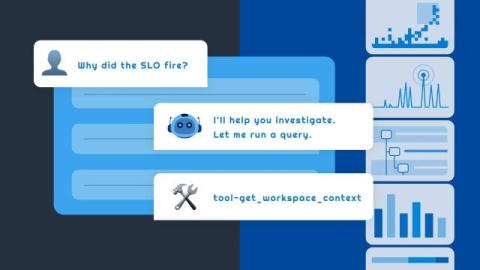
Canvas is an AI-guided workspace inside Honeycomb that combines an AI assistant with an interactive notebook for visualizing query results and traces. You can ask a natural language question about your data and Canvas will immediately start exploring your traces, through multiple queries and other tools, to find the right next steps. Instead of having to write each query yourself, Canvas automatically proposes relational queries, comparisons, and visualizations that explain why an SLO fired or what changed after a deploy.

Meet Canvas: Your AI-guided Workspace Within Honeycomb

Modern systems are wonderfully capable, but relentlessly complex. Debugging across microservices, frontends, and cloud edges often means switching between five or more tools, trying to stitch together “what changed” and “why it broke.” Honeycomb’s wide events model has proven to be a superpower for taming that complexity, by allowing you to easily observe and query end-to-end traces without worrying about how much granular data you attach to your events.

Introducing Anomaly Detection: Your Early Warning System for Service Health

Modern engineering teams face a persistent challenge: knowing when something goes wrong before their customers do. With microservices architectures sprawling across dozens or hundreds of services, creating comprehensive alerting becomes an overwhelming task. You're left playing whack-a-mole with manual alert configurations, often missing critical issues or drowning in false positives.

Introducing Honeycomb Intelligence Anomaly Detection

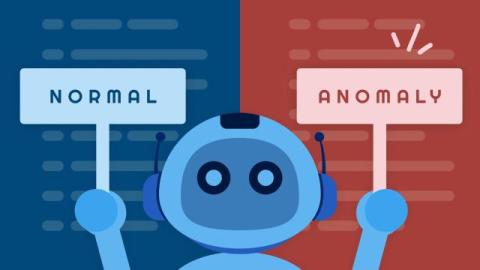
Modern teams face a persistent challenge: knowing when something goes wrong before their customers do. With architectures sprawling across dozens or hundreds of services, creating comprehensive alerting becomes an overwhelming task. You're left playing whack-a-mole with manual alert configurations, often missing critical issues or drowning in false positives. Today, we're excited to announce our solution to this challenge: Anomaly Detection (currently in alpha), Honeycomb's proactive approach to understanding and acting on service health.

Introducing Honeycomb Intelligence MCP Server - Now GA!

In the months since we launched our public beta, we’ve been hard at work making Honeycomb MCP more useful and capable for agents and human operators alike. Our goal with this project has been, from the start, to allow AI to engage in the same kind of investigatory loops that we guide users towards. Many of the new features are designed expressly with this in mind, the most exciting of which is BubbleUp, now available in.

Honeycomb MCP Is Now In GA With Support for BubbleUp, Heatmaps, and Histograms

If you’ve been following my public journey with LLMs this year, it probably won’t surprise you to learn that this blog post is an announcement about the general availability of Honeycomb’s hosted MCP server. I want to share a few updates about what’s new in the GA release, discuss some interesting learnings from building it, and share examples of how we’re using MCP internally. First: if you're still in the dark about MCP and AI agents, go read the earlier blogs I linked.

Sharpening My React Hooks Knowledge With ChatGPT

I’m a product engineer at Honeycomb. While my work spans the stack, I’m currently focused on deepening my frontend expertise. To support this, I’ve been using ChatGPT as a study assistant. It’s helped me break down complex topics with clear explanations, real-world examples, and—critically—interactive practice. The most effective formats I’ve found.