Operations | Monitoring | ITSM | DevOps | Cloud

How to Effectively Monitor Kubernetes in 2025

As Kubernetes environments continue to grow in scale and complexity, having a robust monitoring strategy is no longer just good practice, it’s essential for survival. For engineering teams in 2025, effective monitoring and observability is the bedrock of performance, reliability, and cost control. This guide dives into the critical aspects of modern Kubernetes monitoring, from key metrics to the top tools/frameworks and the rising role of AI in managing these complex systems.
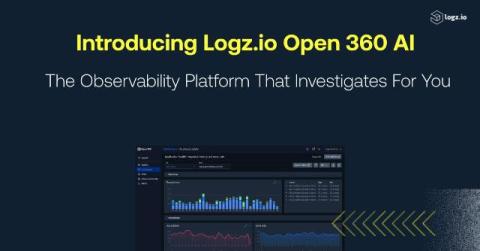
Introducing Logz.io Open 360 AI: The Next Generation of Observability Is Here

Traditional observability tools can’t keep up with modern complexity. Dashboard and alert-based approaches still rely heavily on manual processes, resulting in longer troubleshooting cycles, slower decisions, and higher MTTR. Engineering teams need something better. Today we’re launching Open 360 AI, the first observability platform designed for both humans and AI agents working together.

AI-driven alert triage and root cause analysis (RCA) that proactively responds to production alerts

Watch AI transform alert management in real-time. This technical demonstration compares manual alert investigation with AI alert investigation. It shows how AI agents automatically investigate production alerts, correlate telemetry across distributed systems, and identify root cause, faster and with more insights than manual processes. Watch and learn how to shift your team from reactive firefighting to proactive system reliability management with agentic AI.

Manual vs. AI-Driven Alert Triage and RCA: Who Will Win?

Curious to see how AI actually performs in a real-world production scenario? Watch the webinar “AI-Driven Alert Triage and RCA” with Logz.io Customer Success Engineer, Seth King. Below, we also bring the main highlights of the webinar. AI claims to make engineers more efficient and agile, by shortening processes and surfacing insights that help drive decisions.