Operations | Monitoring | ITSM | DevOps | Cloud

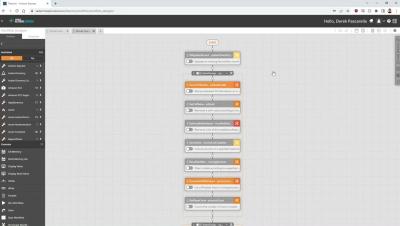
BigPanda Alert Remediation - IIS WebApp Down

This demonstration showcases an example of alert auto-remediation. The alert in this example comes from BigPanda and it automatically kicks-off a Resolve workflow. You'll learn: Resolve's ability to integrate with observability platforms like BigPanda How self-healing workflows drive faster MTTR How to use event-based triggers for real-time response.
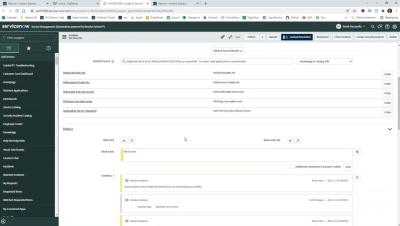
Automated Active Directory Health Scans

In this video, we highlight a Resolve Actions automating active directory health scans. We start with an IT ticket created within ServiceNow, which kicks off an active directory scan putting security front and center. Watch to learn: How Resolve's out-of-the-box integrations with leading ITSM and others speeds up time to market How automated AD cleanup can plug security loopholes How Resolve's systems can automatically close tickets, minimizing human input end-to-end.

Navigating Automation: Uniting Resolve Systems' Framework with TM Forum's Model for Operational Excellence

With the possibilities for increased productivity, reduced costs, and improved customer experiences, organizations are embracing automation across multiple areas of their operational activities. However, navigating the complexities of automation requires a structured approach. This is where frameworks such as Resolve Systems’ Automation Capability Framework and the TM Forum Automation Maturity Model come into play.

The Human Side of Automation: Building a Culture of Empowerment

In the age of digital transformation, where technology reigns supreme and automation is the buzzword of the day, it’s easy for organizations to prioritize the latest tools and platforms while overlooking the essential role that people play in the success of automation initiatives. While technology undoubtedly drives efficiency and innovation, it’s the human element that can truly unlock the full potential of automation.

From Reaction to Action: Accelerating Incident Response through Automation

In the Digital Age, IT incidents are an unavoidable aspect of business operations. From hardware failures to security breaches, these disruptions can wreak havoc on business continuity and user experience. Managing these incidents effectively requires a timely, systematic approach encompassing detection, prioritization, resolution, and communication. Traditional incident response methods often fall short, resulting in costly delays and inefficiencies.

The AIOPs and Automation Handshake: Managing the Modern IT Stack

To increase business agility, IT organizations are deploying dynamic, modern architectures enabled by virtualization technologies. That includes containers, elastic clouds, microservices, and virtual machines. If you are rethinking your IT stack, you must also reconsider its management. IT operational silos limit business velocity.