Operations | Monitoring | ITSM | DevOps | Cloud

Advanced PHP Monitoring for Enterprise Applications

During critical business periods, enterprise PHP applications can experience significant performance challenges, including slow page loading, workflow delays, and essential integrations timing out. As a result, operational efficiency declines, customer satisfaction decreases, and revenue streams are at risk. Enterprise PHP applications power complex business portals, SaaS platforms, internal tools, and mission-critical workflows.

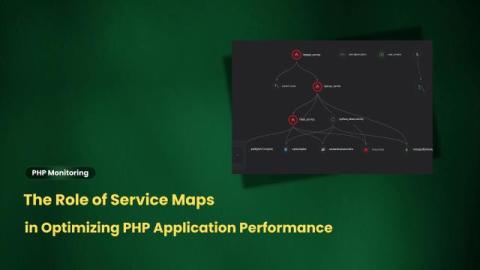
PHP Performance Monitoring with Atatus PHP APM

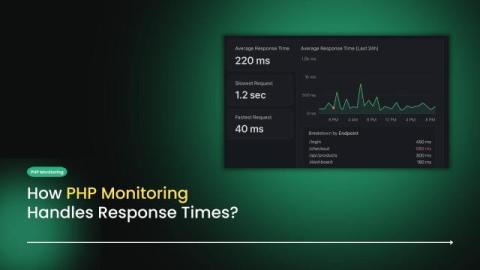
PHP is used by millions of websites and applications around the world because it’s easy to work with and very flexible. But like any technology, PHP apps can run into problems like slow performance or errors that affect users and your business. Atatus PHP APM provides developers, DevOps engineers, and SREs with clear insights into what is happening inside PHP applications, helping them find and fix issues faster, improve performance, and keep things running smoothly.

What is PHP memory leaks? How can you detect and resolve with APM?

According to the 2025 PHP Trends Report, 31% of developers cited performance bottlenecks as a recurring issue and PHP memory leaks were among the top culprits identified by DevOps teams working with high-traffic applications. Imagine you're shipping an app that’s humming along smoothly during QA. But weeks after going live, you start noticing creeping latency and irregular job failures. You dig into the logs, tweak some queries, but the issue persists.

What Makes PHP Application Monitoring Tools Essential for Leading Industries?

PHP is one of the most widely used scripting languages for web development. From e-commerce platforms to government portals, PHP powers a large share of the web. However, as web applications grow in complexity, user expectations also rise. Slow page loads, broken features, or unresponsive sites can lead to lost revenue, lower engagement, and frustrated users.

What is Java Performance Monitoring? [A Guide to DevOps Engineers]

You rolled out a Java application that worked fine in development. Fast, clean, no errors. However, once it went into production, things began to change. Suddenly, the app feels slow. CPU usage climbs without warning. Some users start getting timeouts. You check the dashboards, but nothing jumps out. You look through the logs, but it's mostly noise. And then the questions start coming in - "Is the JVM the problem?" If you've been in that situation, you're not alone.

Why Your Business Needs APM: 10 Key Benefits You Shouldn't Ignore

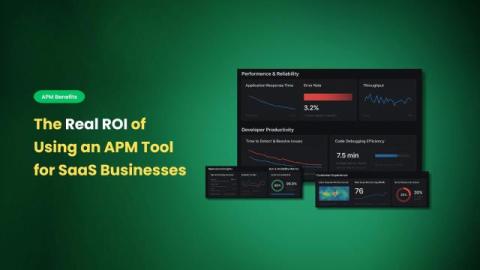
In today’s digital world, how well your applications perform has a big impact on how people see your business, and how well it runs. Whether you are in finance, e-commerce, SaaS, healthcare, or media, your users expect everything to work smoothly, all the time. Even a few seconds of slow performance can lead to lost sales, lower productivity, and unhappy customers. That’s why Application Performance Monitoring (APM) is so important.

What is Python Application Performance Monitoring? - [A Complete Guide]

A recent study looked at real-world Python programs and found something important: Python isn’t the main reason apps slow down. The real problems come from inside the code like poor logic, memory issues, and slow database queries. The problem is, these issues often go unnoticed. Your app may seem fine until users start complaining about slowness or things start breaking under pressure.

The Hidden Cost of Not Using APM in Production

Many organizations don’t realize how important it is to monitor how their applications run in production. Without Application Performance Monitoring (APM), it becomes difficult to detect and resolve issues quickly, leading to increased downtime, wasted developer effort, and poor user experience. These hidden costs, though not always visible at first, can impact customer satisfaction, reduce team efficiency, and result in lost revenue.

Golang Application Performance Monitoring: A Comprehensive Guide

Application Performance Monitoring (APM) refers to the practice of tracking, analyzing, and optimizing the performance and availability of software applications. When it comes to Go (Golang), a language known for its concurrency, speed, and efficiency, APM becomes crucial to ensure that your applications stay fast, reliable, and scalable under real-world loads. APM in Go involves monitoring the runtime behavior, request response times, system resource usage, and error patterns across your application.

How APM Can Improve Your Digital Customer Experience?

When a customer taps a button, submits a form or waits for a page to load, they’re not thinking about your backend architecture, microservices, or CDN; they want it to work instantly. But when it doesn’t, the frustration is immediate. Maybe the app freezes. Maybe a checkout fails. Maybe the entire experience just feels laggy. And the worst part? They don't complain, they just leave the application.