
Why Your Store Fails to Engage & How Dynamic Displays Help
Why Retail Stores Often Lose Customer Interest
Shoppers have options. Too many options. If your place isn’t catching eyes or making people curious, they’ll scroll past in real life just like they do online. Often, the problem starts with the experience.
Maybe it’s the dim lighting that makes everything feel like a clearance bin. Or the aisles that feel like an obstacle course designed by someone who hates fun. Shoppers expect energy, variety, and a reason to linger. If they can find the same product elsewhere without the awkward shuffle past the clearance rack, they will.
Retail today hinges as much on the customer’s emotional experience as it does on the products they buy. I miss that, and even the best products will collect dust.
How Poor Store Layouts Reduce Shopper Engagement
Think of your floor plan like a conversation. If it’s awkward, people will find a way out. Wide-open dead zones can feel cold and empty. Tight, cramped spaces make customers feel like they’re in a game of bumper cars.
Clumsy layouts irritate customers and send them out the door faster. And less browsing usually means fewer sales. Imagine inviting guests over, then making them squeeze past furniture just to get to the snacks. Not a vibe.
Strategic product placement, clear walking paths, and focal points at eye level keep people moving without them realizing it. The layout should lead customers through a journey, not send them looking for the exit.
The Role of Visual Merchandising in Boosting Foot Traffic
Here’s where the magic happens. Visual merchandising goes beyond making things look nice—it tells a story without saying a word. The right colors, lighting, and signage can pull people in from across the street.
Want proof? Big brands pour serious resources into seasonal window setups because they know those few seconds of eye contact can make or break a visit. Shoppers are drawn to movement, vibrant color contrasts, and creative product arrangements.
If you want your store to stand out, take cues from those strategies, then add your twist. And if you’re ready to level up beyond static setups, visit monitorsanywhere.com for tools that bring interactive and dynamic content right into your customer’s line of sight.
Benefits of Using Dynamic Displays for Retail Success
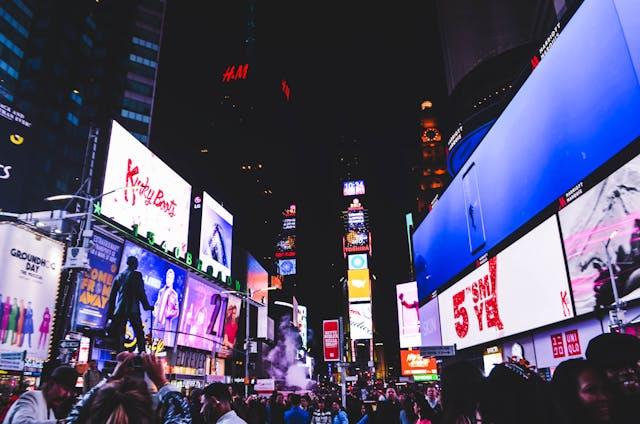
Dynamic visuals may look like eye candy, but they work behind the scenes as powerful sales drivers. Done right, they:
- Capture attention from farther away than static posters.
- Rotate content to highlight multiple products without clutter.
- Adapt quickly to promotions, events, or trends.
- Entertain shoppers while they browse, keeping them around longer.
- Offer opportunities for interactive experiences that customers remember.
The beauty here is flexibility. Change a promotion in seconds. Test new layouts without reprinting signs. Run product demos without hiring extra staff. It’s marketing with an “always on” switch.
Types of Dynamic Displays That Engage Customers
Not all digital signage is created equal. The trick is matching the type to the experience you want shoppers to have. Here are some top contenders:
- Video Walls – Big, bold, and impossible to ignore. Great for brand storytelling.
- Interactive Touchscreens – Let customers browse product options, watch demos, or locate items in seconds.
- Shelf Edge Screens – Perfect for showing pricing, promotions, or quick product facts right where shoppers make decisions.
- Window Screens – Keep messaging running 24/7 to catch eyes even after closing.
- Portable Digital Kiosks – Move them around to test which areas pull the most attention.
Choosing the right mix can turn your space from “meh” to “memorable” in a single afternoon.
Tips for Adding Digital Signage to Your Store Strategy
A little planning goes a long way. If you’re thinking of adding digital elements, start with these tips:
- Focus on content first. Tech is only as good as what it shows. Plan engaging visuals before investing in screens.
- Keep it simple. Overloading with text or animations can overwhelm. Short, bold messages work best.
- Test placement. A great video in the wrong spot is a waste. Position screens where they naturally draw eyes.
- Update regularly. Replaying the same content for months will make it invisible to regulars. Keep it fresh.
- Track results. Watch foot traffic patterns and sales to see which content drives action.
Conclusion: Crafting a Store Experience That Grabs Attention and Boosts Sales
Think of your retail space like a stage. The products are the actors, the layout is the script, and your visual elements are the spotlight. When all three work together, customers don’t just shop—they stay, explore, and come back.
Dynamic visual tools aren’t a magic wand, but they are one of the most powerful ways to make your space more engaging. Whether you start small with a single screen or go big with an immersive setup, the goal is the same: give people a reason to look, linger, and leave with something in hand.
FAQs
What is dynamic digital signage in retail?
It’s a screen-based marketing tool that plays changing content like videos, animations, and promotions to catch customer attention and boost engagement.
How can dynamic visuals increase sales?
They highlight products, promote time-sensitive deals, and create an atmosphere that encourages customers to browse longer, often leading to more purchases.
Is digital signage expensive to set up?
Costs vary, but starting with a few strategically placed screens can be affordable. The long-term benefits often outweigh the upfront investment.
Can I update my digital content remotely?
Yes. Many systems let you manage and change content from a computer or mobile device, so you can adjust messaging instantly.
Are dynamic displays only for large retailers?
Not at all. Small shops can benefit just as much, especially when using them for targeted promotions or localized content.