
Why Certified Pre-Owned Cars Are a Smart Choice
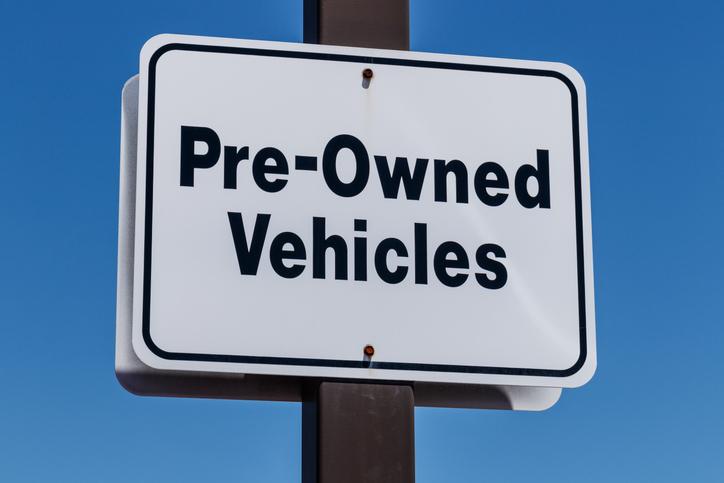
Look, new car prices in 2025 have gone completely insane. You're probably feeling the sticker shock too. That's pushing smart shoppers toward certified pre-owned cars, and honestly? It's not a compromise anymore. Think of it as the sweet spot between shelling out premium dollars for that new-car smell and gambling on a sketchy used vehicle with an unknown past.
Here's what makes CPO different: real manufacturer inspections, warranties that actually mean something, and guarantees you can count on. Budget-minded buyers are catching on fast. This isn't settling for second-best, it's choosing wisely.
Understanding Certified Pre-Owned Cars in Today's Market
The whole automotive landscape has shifted dramatically. Pre-owned vehicles used to carry a stigma. Not anymore. What began as a small side program has evolved into a legitimate market force that's changing how people buy cars.
Nevada’s wide-open highways, desert climate, and car-centric cities make vehicle reliability a top priority for buyers, which is why certified pre-owned cars are a smart choice. These vehicles undergo rigorous inspections, meet strict manufacturer standards, and often come with extended warranties, giving buyers added confidence without the cost of a brand-new model.
Shopping through trusted nevada car dealerships allows buyers to access well-maintained certified inventory, transparent vehicle histories, and professional support, making it easier to balance quality, performance, and long-term value. Extreme heat wreaks havoc on rubber seals, cooling systems, and interior materials in ways East Coast vehicles never experience.
The same principle applies in other regional markets. For example, buyers exploring used cars in Calgary can benefit from certified inventory offered by reputable dealerships that provide full inspection reports, transparent vehicle history, and warranty-backed options. Whether you're shopping in the U.S. or Canada, working with trusted local dealers reduces risk and increases long-term value.
What Sets CPO Vehicles Apart
Let's be clear about something: certified pre-owned car programs aren't just fancy stickers on random used inventory. There's real substance behind that certification badge. Manufacturers put their reputation on the line with strict standards.
Most won't even consider vehicles older than five years or those exceeding 80,000 miles. Mazda of New Bern runs a grueling 160-point inspection covering everything, engine internals, transmission behavior, suspension integrity, brake performance, you name it. Try finding that level of scrutiny at your average used car lot. Good luck.
Every program demands clean titles and verified history reports. Accident damage? Major structural problems? Instant disqualification. Then comes reconditioning, replacing worn parts, fixing cosmetic issues, handling deferred maintenance. By the time you see it on the showroom floor, it's been through the works.
Key Certification Requirements
Age limits and mileage caps shift depending on who's making the car, but you'll notice patterns. Luxury nameplates like Mercedes-Benz and BMW? They want newer rides with fewer miles. Toyota and Honda? Slightly more forgiving to keep inventory flowing.
Smart dealerships address these regional concerns head-on during reconditioning, checking for sun deterioration, ensuring cooling systems perform under brutal conditions, replacing components that won't survive another scorching summer. Trained techs use advanced diagnostic equipment to probe computer systems, safety mechanisms, and technology features. Anything falling short of factory standards? It gets swapped for genuine OEM parts, not cheap aftermarket substitutes.
Benefits of Certified Pre-Owned Cars That Go Beyond Basic Used Vehicles
You need to understand what your money's buying. CPO programs deliver real advantages that regular used cars can't touch.
Comprehensive Warranty Coverage
The benefits of certified pre-owned ownership start with warranty protection that'll make you do a double-take. Mazda throws down a 7-year/100,000-mile powertrain warranty, that's serious coverage for critical components like your engine and transmission. And we're talking genuine manufacturer backing here, not some sketchy third-party contract loaded with fine print and exclusions.
Most CPO warranties transfer to the next owner, which helps your resale value down the road. Bumper-to-bumper extensions protect electronics, climate systems, even those temperamental infotainment screens. Some programs offer gap coverage protecting you if the unthinkable happens.
Financial Advantages
New cars lose value like a leaky bucket, dropping 20-30% the moment you drive off the lot. CPO vehicles? They've already taken that depreciation hit, which means better value retention while you own it. Your insurance premiums drop 10-15% compared to new because replacement costs are lower.
Financing rates on CPO vehicles often rival new car deals, especially during promotional windows. Certain states offer tax advantages treating CPO more favorably than traditional used purchases. When you calculate total ownership costs, purchase price, insurance, expected maintenance, CPO consistently wins against both new and used alternatives.
Quality Assurance Through Rigorous Inspection
Behind every CPO certification sits a thorough evaluation. Technicians measure brake pad thickness, assess tire tread depth, test fluid conditions, examine suspension wear patterns. Diagnostic computers scan for hidden trouble codes or lurking issues waiting to surprise you later.
Safety systems get extra attention. Adaptive cruise sensors, lane-keeping cameras, blind-spot monitors, all calibrated to factory specs. The cosmetic work handles paint chips, interior stains, minor dents. What you're seeing represents the dealership's best effort, documented and verified.
Certified Pre-Owned vs Used Cars: Making the Right Choice
Sure, CPO vehicles cost more. Nobody's hiding that. The real question is whether you're getting enough value to justify spending extra.
Price and Value Comparison
When you're weighing certified pre-owned vs used options, prepare to pay 10-15% more for that CPO badge. On a $25,000 vehicle, we're talking roughly $2,500-$3,750 additional. What are you getting? Warranty coverage that could easily exceed your premium if something major fails. Regular used cars look cheaper initially, but you're essentially gambling on reliability with your own money at stake.
Mid-size SUVs and sedans hit the CPO sweet spot. They've depreciated enough from new to make certification costs reasonable while packing features families actually use. Luxury vehicles? That's where CPO really shines, 40-60% off original sticker brings premium brands within financial reach.
Reliability Differences
Consumer Reports consistently shows CPO vehicles experiencing fewer problems and warranty claims versus non-certified used inventory. The inspection process catches issues before they become your expensive headache. Breakdown rates tell a compelling story, CPO reliability statistics mirror nearly-new vehicles.
Look at the first three ownership years. Regular used cars rack up higher repair bills from deferred maintenance and hidden problems. CPO programs handle these proactively, creating predictable expenses you can actually budget for.
Why Buy Certified Pre-Owned: Perfect Buyer Scenarios
CPO isn't for everyone, but certain situations make it the obvious winner.
First-Time Buyers
Building credit requires payments you can handle, and CPO financing works with developing credit profiles. You're learning vehicle ownership without risking major repairs destroying your budget. That warranty coverage acts like a safety net, protecting against costly mistakes while you're figuring out maintenance schedules and ownership responsibilities.
Families and Safety-Conscious Drivers
Parents never compromise on safety. Period. Why buy certified pre-owned becomes crystal clear when you need advanced features, automatic emergency braking, blind-spot monitoring, lane-keeping assistance. These technologies appeared in mainstream vehicles recently, making CPO the affordable path to cutting-edge protection. The warranty means you're not choosing between car repairs and groceries when something breaks.
Three-row SUVs with modern safety ratings typically blow past new-car budgets. CPO programs make them accessible. You're getting certified crash ratings, verified safety equipment, and manufacturer backing that lets you sleep at night.
Your Next Steps Toward Smart CPO Shopping
As new car prices keep climbing into absurd territory, the certified pre-owned argument gets stronger daily. You're securing manufacturer-backed quality assurance, extended warranty protection, and genuine peace of mind that regular used cars simply cannot provide. That 10-15% premium over standard used inventory pays for itself through reduced repair risks and better financing terms. Whether you're a family prioritizing safety features, a first-time buyer establishing credit, or someone seeking reliability without new-car costs, CPO represents the intelligent choice in 2025's challenging market. Make your move now.
Common Questions About Certified Pre-Owned Vehicles
-
What's the typical price difference between certified and regular used cars?
Plan on 10-15% more for CPO certification, roughly $2,000-$4,000 on most vehicles. That premium buys extended warranty protection, comprehensive inspections, and reconditioning addressing potential problems before you own them.
-
Can I negotiate the price on certified pre-owned vehicles?
Absolutely. Don't believe the myth that CPO prices are fixed. While certification costs stay consistent, you can negotiate base price, trade-in value, financing rates, and add-on products. Shop multiple dealerships to create competitive pressure working in your favor.
-
Do CPO warranties cover all repairs and maintenance?
CPO warranties typically protect major components and systems but exclude routine maintenance like oil changes and tire rotations. Some programs include complimentary scheduled maintenance for limited periods. Always read the specific warranty terms carefully before signing anything.