
What Is a Sales Funnel? Here's Everything You Must Know About This Conversion Tool
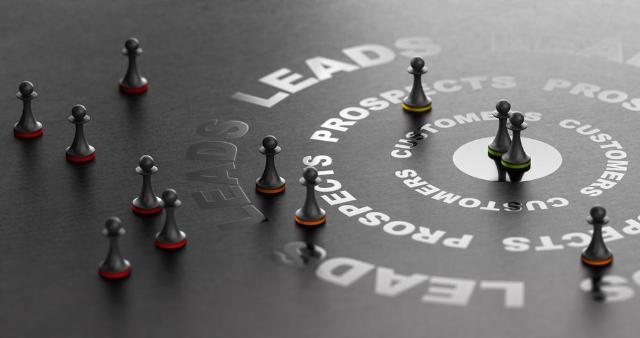
Image Source: depositphotos.com
Every small or large business depends on leading its potential customers through a journey that makes them pay for its products or services. This is the sales funnel—a model that has been used for years.
A well-rounded sales funnel ensures your customers get the right message at the right time. Let’s explore everything about the sales funnel, how it works, and why you need it to grow your business.
Sales Funnel Explained
How to create a sales funnel is another skill to learn. But before you can do that, you should understand a sales funnel. It’s the representation of the path potential buyers take before they become loyal customers to a brand. It shows the buyer’s journey and how customer behaviour changes from discovering the product to buying it.
Here’s how it looks:
- At the top, it begins with marketing campaigns that generate awareness.
- The qualified leads remain inside as they slowly go through the funnel stages.
- At the bottom, the sales process ends with sales reps turning the leads into paying customers.
A sales funnel shows your company’s sales model, decision-making process, and entire customer journey.
Sales Funnel Stages
These are made to guide prospective customers throughout the buying process. Every business may adapt and modify them. Here’s what a basic sales funnel includes:
Awareness Stage
You’ll execute marketing tactics, such as landing pages, to increase brand awareness. When you start attracting potential customers, the marketing funnel overlaps with the sales funnel.
Interest Stage
Your marketing and sales efforts should make people curious about your product. Provide marketing materials or offer a sales funnel template to generate customer engagement.
Decision Stage
Sales reps will then nurture the leads with social proof, special offers, and customer testimonials to ensure that qualified leads reach this point.
Action Stage
Sales strategies and follow-up campaigns can convert potential buyers into customers. Effective sales and marketing alignment helps complete the sales funnel.
Post-Purchase Engagement
After the initial sale, customer retention and customer loyalty drive business growth. Collect customer feedback and use every single one to refine your sales strategies and enhance customer satisfaction.
Why Is a Sales Funnel Important?
It’s important because it helps you:
- Provide a structure of your sales process and see where leads usually drop off.
- Guide your sales team in efficiently managing the sales cycle.
- Have a clear understanding of where the marketing and sales efforts should align.
- Identify customer preferences and tailor your marketing strategies to what they want.
- Gain insights into customer data and interactions.
A well-defined sales funnel directs your sales efforts and ensures you capitalize on opportunities with prospective customers.
How Does It Work?
The sales funnel bridges the marketing tactics and sales process. Marketing campaigns make people aware of your brand through social media, emails, and landing pages.
When the leads engage, the sales team uses the sales pipeline to acquire them. Marketing automation and sales funnel templates also help ensure that the leads stay.
Customer engagement and testimonials foster trust among customers, eventually making them loyal to your products.
Sales Funnel Example
Imagine a business-to-business company that launches a new service. The sales funnel goes like this:
- It uses social media to make its target audience aware of the latest service.
- A user sees the content on a certain social media platform and clicks on it, leading to a landing page.
- Sales reps then reach out to the most qualified leads and promote the service’s benefits and how it makes the user’s life and work easier.
- When convinced, the user pays for the new service. The sales team then sends newsletters and creates more social media posts to retain the new client for a long time.
The Role of Sales and Marketing Teams
A successful sales funnel lies in the harmonious teamwork between the marketing and sales teams. Here’s why:
- Marketing strategies prompt interest and provide leads.
- Sales reps move the leads through every sales funnel stage.
- Marketing materials and social proof help customers decide.
- The alignment of both teams ensures satisfied customers.
Using Templates and Automation
Now, you don’t have to build your sales funnel from scratch. You can use a sales funnel template or automate your marketing strategies to save time.
These are some of the best benefits:
- Pre-designed templates help you create a basic sales funnel more easily.
- Automating your follow-up emails through email marketing saves you the hassle of writing every email from scratch.
- Analyse customer data and behaviour faster with marketing tools.
- A streamlined sales funnel process grows your business faster with its simplicity.
Final Thoughts
A sales funnel is the practical framework you need if your potential customers want to pay for your products and services and remain loyal to your brand. Whether you create a traditional sales funnel or a custom one, understanding each stage leads to business growth.
Mastering the sales funnel process allows you to satisfy your customers and stand out in a competitive business landscape.