
What To Expect When Entering Police Aviation Roles
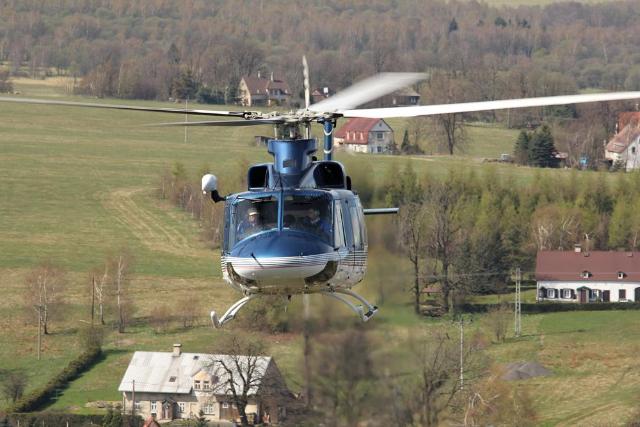
Image Source: depositphotos.com
Police aviation is equally challenging and exhilarating. What do the daily duties look like, and how do these roles differ from some of the other law enforcement positions? Knowing what awaits them aids future aspirants both in mind and body as they gear up for the trip ahead. In this post, we explore some of the things people need to expect while pursuing a career in police aviation.
Rigorous Training and Certification
Planning on how to become a police helicopter pilot? Here is what applicants need to do. Firstly, they have to fulfill stringent criteria. Exercises include aviation and law enforcement training. Prospective pilots are often required to have prior flying experience and certification. Crew training on surveillance, liaison, and emergency procedures. Physical fitness will always be important because aerial operations require sharp minds and quick reflexes.
Vital Duties and Responsibilities
Responsibilities of police aviation include aerial surveillance, search and rescue, traffic monitoring, and assistance in crime-related pursuits. This means it needs to be coordinated with ground teams for each mission. Communication is the key to successful operations. Crew members are often scheduled to work odd hours since missions can happen at any time of day or night. Another part of their job is dealing with the unexpected.
Teamwork and Communication
Teamwork is still crucial for the effective and safe execution of missions. Coordination between pilots and tactical flight officers is crucial. Effective communication promotes seamless harmony between the aircraft and the ground forces. Misunderstandings can have serious consequences. Regular and concise briefings ensure that everyone is in agreement. A culture of respect and professionalism improves job performance and safety.
Exposure to Technology
Contemporary police airplanes are equipped with high-tech instruments. These contain night vision, thermal imaging, and advanced navigation techniques. Using this technology is a significant part of the job. Crews also have to learn about new equipment and procedures. Knowledge of onboard systems improves mission efficiency. Drills ensure immediate response. The personnel are most needed to respond quickly at the click of a button, even up to a mile away.
High-Stress Situations
Police aviation is all about acting in a state of emergency. These can include everything from missing person searches to high-speed chases. These situations can lead to significant stress. And so it becomes vital to remain calm and in focus. Teams have to make decisions rapidly. With practice and training, one learns to cope with these moments with confidence. There are support systems in place that allow personnel to cope with stress and maintain excellent mental health.
Safety Protocols and Risk Management
Safety tops the list of priorities in police aviation. Strict protocols govern every flight. Pre-flight checks, preventive maintenance, and continuous training reduce risks. The crew has to report hazards immediately. Each of the missions contains safety briefings, which occur beforehand. Discussions on possible problems create a culture of caution. By following these safety measures, the well-being of our crew and the community is ensured.
Career Development and Advancement
Growth in police aviation is endless. Experience and training can help workers advance from entry-level jobs to specialized careers. Some may chase after instructional or leadership roles. Never stop learning throughout your career. Hard work and accomplishments attract recognition and career upgrades. It can be a valuable experience for those dedicated to their craft.
Physical and Mental Demands
Working in aerial law enforcement requires both physical endurance and mental toughness. Crew members might endure extended workdays or encounter challenging weather conditions. Long missions require focus. Personnel can face emergencies well if they are in good condition. Dealing with the unpredictability of your job requires you to be mentally prepared. Well-being is also provided through peer support and ongoing training.
Conclusion
Entering police aviation brings unique expectations and responsibilities. Training, teamwork, technology, and adaptability define daily operations. Candidates should prepare for challenging yet rewarding experiences. Commitment to safety, ongoing learning, and personal resilience all contribute to success. Those ready for these demands will attain fulfillment and purpose in police aviation roles.