
The Ultimate Homeowner's Guide to HVAC Systems
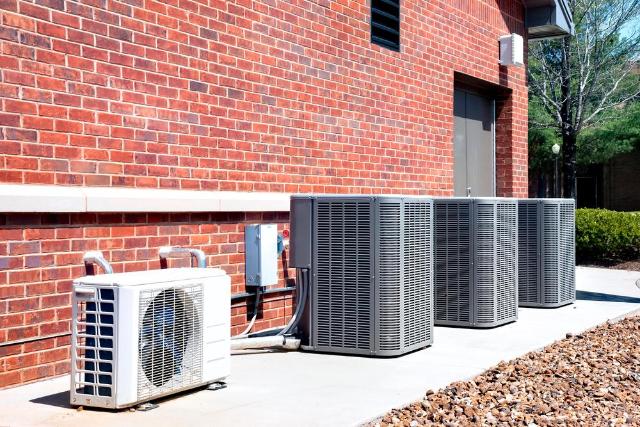
Image Source: depositphotos.com
Your HVAC system does more than control the temperature in your home. It affects your comfort, energy costs, and the quality of the air your family breathes every day. Choosing the right system and maintaining it properly can help you avoid costly repairs, improve efficiency, and create a more comfortable living space year-round.
Whether you are upgrading an old unit, planning a new HVAC installation, or looking for ways to lower your energy bills, understanding the basics makes every decision easier. This guide covers essential home HVAC systems, maintenance tips, and practical steps to keep your equipment running smoothly.
Understanding HVAC Systems: What Every Homeowner Should Really Know
Modern HVAC systems do more than most people expect. Heating and cooling are just part of the job. These systems also manage ventilation, humidity control, and air circulation, factors that determine whether your home feels genuinely comfortable or just... tolerable.
Core Components Worth Understanding
A typical residential system includes a furnace or heat pump, an air conditioner, ductwork, and a thermostat. Each component influences overall performance. Understanding how they interact helps you make sharper decisions when something goes wrong, or when it's time to upgrade.
Residential HVAC Options on the Market Today
There are several residential HVAC solutions worth knowing: central air systems, ductless mini-splits, heat pumps, and smart zoned configurations. Older homes without existing ductwork often benefit most from ductless mini-splits, while homeowners exploring furnace installation Bainbridge Island WA can consider modern furnace systems designed for reliable heating and improved efficiency. Heat pumps, meanwhile, handle both heating and cooling in a single efficient unit, making them a compelling option for many climates.
Where Smart Technology Fits In
Variable-speed motors, programmable thermostats, and zoned systems have become standard in newer installations. These aren't luxury features anymore. They give homeowners meaningful control over comfort and monthly costs that older systems simply couldn't offer.
How to Choose the Right HVAC System for Your Home
Understanding system types is step one. Matching the right solution to your specific home- that's where most decisions get made or missed.
What Actually Drives the Decision
Home square footage, your climate zone, existing insulation, and your budget all factor into the equation. Energy efficiency ratings like SEER, AFUE, and HSPF are your benchmarks. Higher ratings translate directly to lower utility bills over time; it's that straightforward.
Matching Systems to Home Types
|
Home Type |
Recommended System |
Key Benefit |
|
Single-family home |
Central air + furnace |
Full coverage, cost-effective |
|
Older home, no ducts |
Ductless mini-split |
No ductwork needed |
|
Condo or small space |
Packaged unit |
Space-saving design |
|
High-efficiency home |
Heat pump system |
Dual-function, lower bills |
Innovations That Are Already Here
New refrigerant formulations, home automation integration, and demand-response systems have moved from concept to consumer. They're available now, increasingly affordable, and worth factoring into any purchase decision you make today.
HVAC Installation and Replacement: Getting It Right the First Time
Here's something contractors don't always emphasize upfront: even the ideal system underperforms with a poor installation. Sizing errors, substandard ductwork, improper placement, these issues cost you money from day one.
Clear Signs Your Current System Needs Replacing
If your system is older than 15 years, runs almost constantly, or has quietly driven your utility bills upward, replacement typically makes more financial sense than continued repairs. Uneven temperatures across rooms and recurring breakdowns are equally strong signals.
What a Professional Installation Actually Involves
When considering furnace installation Bainbridge Island WA, the local context genuinely matters. Bainbridge Island's Pacific Northwest climate- mild, persistently damp winters and an older housing stock- creates conditions that standard installations don't always account for. Working with a knowledgeable local team ensures proper system sizing, full code compliance, and reliable long-term performance in that specific coastal environment.
Before committing to any system, research available warranties and utility rebates. Many manufacturers and local providers offer incentives that meaningfully reduce upfront costs.
HVAC Maintenance: The Habits That Protect Your Investment
HVAC maintenance tips rarely sound exciting. But neglecting routine upkeep compounds quickly; a system that works harder costs more to run and fails earlier than it should.
Seasonal Tasks That Actually Matter
Spring is the right window for checking your air conditioner's coils and refrigerant levels. Come autumn, schedule furnace inspections, filter replacements, and ductwork assessments before temperatures drop and demand spikes.
DIY vs. Professional Service: Knowing the Line
Swapping filters, clearing debris around outdoor units, and verifying thermostat settings are reasonable DIY tasks. Electrical components, refrigerant handling, and heat exchanger inspections require a certified technician. That's not a suggestion; it's a safety boundary worth respecting.
Energy-Saving Upgrades That Actually Pay Off
Switching from propane or electric resistance heating to the right heat pump can save homeowners approximately $1,500 annually on average. Those are not marginal gains.
Insulation, Air Sealing, and Smart Vents
Better insulation reduces the demand placed on your HVAC system. Pair it with proper air sealing and smart vents, and your system maintains comfort with measurably less energy consumption. The difference shows up on your utility statement.
Tax Credits and Financing Worth Exploring
Federal tax credits, state-level rebates, and manufacturer financing options have made high-efficiency upgrades more accessible than they've ever been. A quick call to your utility provider before scheduling any installation is time well spent.
Troubleshooting Common HVAC Problems: A Practical Homeowner's Checklist
Most HVAC issues follow recognizable patterns. Knowing what to look for helps you determine whether a quick fix is within reach or whether it's time to make the call.
Fast Diagnostics for Frequent Issues
Weak airflow? Start with the filter or check for a blocked vent. Strange noises often point to loose components or debris. An unresponsive thermostat might just need fresh batteries, or it could indicate a wiring issue requiring professional attention.
When to Stop and Call a Pro
Refrigerant leaks, electrical faults, and heat exchanger concerns are not homeowner territory. For anything beyond basic filter changes and thermostat adjustments, a certified technician is the right call, always.
Indoor Air Quality: The Layer of Comfort Most Homeowners Overlook
Air quality isn't a bonus feature. It directly affects health, particularly for anyone managing allergies or respiratory conditions. Fortunately, modern HVAC systems can be configured to improve what you breathe actively.
Filtration, Purifiers, and UV Light Systems
High-MERV filters capture significantly more particulates than standard options. UV light systems installed within your air handler eliminate mold spores and bacteria before they circulate through your home. These additions integrate with your existing setup; no full replacement required.
Humidity: The Variable That Changes Everything
Maintaining indoor humidity between 40% and 60% keeps spaces comfortable while limiting mold and allergen growth. Whole-home humidifiers and dehumidifiers, connected directly to your HVAC system, handle that balance automatically and quietly.
Final Thoughts: Taking Ownership of Your Home's Comfort
Your HVAC system is one of the most consequential investments you'll make as a homeowner. Choosing the best HVAC systems, staying ahead of seasonal maintenance, and making smart upgrades when opportunities arise, each decision compounds over time into real savings and consistent comfort. Don't wait for a breakdown to take it seriously. A proactive, informed approach keeps costs predictable and your household comfortable through every season. Reach out to a qualified local professional today and move forward with clarity.
Common Questions About Residential HVAC Systems
- Which HVAC system works best in Pacific Northwest climates?
Heat pumps are the standout choice for this region. They manage mild, damp winters efficiently and handle summer cooling in the same unit. Ductless mini-split heat pumps are particularly well-suited to older homes or spaces that lack existing ductwork.
- Which AC brands tend to last the longest?
Trane, Carrier, Lennox, American Standard, and Daikin consistently rank among the most durable options, with premium units lasting 15 to 20 years under proper maintenance. Budget-friendly brands like Goodman, Amana, and York can reach similar lifespans with consistent care.
- What is the "20-degree rule" in HVAC?
It refers to a straightforward guideline: never set your thermostat more than 20 degrees cooler than the outdoor temperature. Pushing beyond that threshold strains your system without delivering proportional comfort.
- How often should I schedule professional maintenance?
Twice annually is the standard recommendation: spring for your air conditioner, fall for your furnace. Regular visits catch minor issues before they escalate, extend system lifespan, and maintain efficiency where it belongs.
- What signals that my ductwork needs attention?
Dust accumulating around vents, inconsistent airflow between rooms, musty odors during operation, and unexplained increases in utility costs are the most reliable indicators. A professional inspection will confirm whether cleaning or replacement is the appropriate next step.