
Systematic Thinking Meets Creative Education
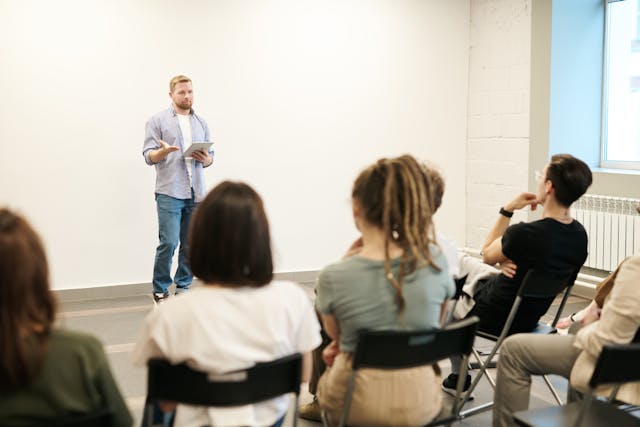
Education has always been about more than just imparting knowledge. It's about equipping students with the skills needed to navigate a rapidly evolving world. In recent years, a fusion of systematic thinking and creative education has emerged as a powerful approach to learning. By integrating these two methodologies, we can cultivate a generation of thinkers who are both logical and innovative. Let's dive into how systematic thinking and creative education work together and how institutions are leading the charge in this transformative educational approach.
Understanding Systematic Thinking
Systematic thinking refers to the ability to break down complex problems into smaller, manageable components, analyze them logically, and devise structured solutions. It's a methodical approach that emphasizes clear steps, patterns, and the connections between different pieces of information. This kind of thinking is essential in fields that require precise problem-solving, such as engineering, mathematics, and technology.
By developing systematic thinking, students learn to view challenges from different angles, ensuring that no detail is overlooked. It helps them organize their thoughts and approach problems in a structured way. This skill is not only vital for academic success but also for personal and professional growth where logical reasoning often leads to more effective decision-making.
The Role of Creative Education
On the other side of the spectrum, creative education focuses on developing a student's ability to think outside the box. It encourages exploration, innovation, and original ideas. Creative education pushes students to break free from traditional thinking patterns and experiment with new concepts and approaches.
In creative education, the emphasis is on fostering an environment where mistakes are seen as learning opportunities and curiosity is constantly nurtured. This form of education celebrates diversity of thought, often blending multiple disciplines and encouraging students to pursue projects that reflect their passions and talents. Whether it's in the arts, design, or any other field, creativity is the driving force behind groundbreaking ideas.
The Power of Combining Both Approaches
So, what happens when systematic thinking meets creative education? The result is a balanced approach that empowers students to not only think logically but also to innovate. This synergy allows for more effective problem-solving, as students can apply structured methods to creative endeavors while keeping an open mind to unconventional solutions.
For example, in fields such as technology, students who possess both logical reasoning and creativity are better equipped to design innovative products and systems. They can use systematic thinking to ensure functionality and efficiency while applying creative approaches to improve user experience or solve unique problems.
This approach is increasingly being adopted by educational institutions, including catholic schools, that understand the value of nurturing both logical and creative thinking in their students. By integrating both perspectives, students are better prepared for the complexities of the real world, where creativity and critical thinking are both required for success.
How Institutions Like SAE Branded Foster Innovation
Institutions like SAE are at the forefront of blending systematic thinking and creative education. With a strong focus on technical skills combined with an emphasis on creative problem-solving, SAE is shaping a new generation of professionals who are capable of both mastering the technicalities of their fields and innovating within them.
SAE offers a range of programs that encourage students to approach challenges from both a systematic and creative perspective. Their curriculum is designed to foster collaboration, hands-on learning, and the development of both analytical and creative skills. Students are encouraged to think critically, solve problems methodically, and also explore new ideas that can redefine industries.
The Future of Education: A Hybrid Model
The educational landscape is changing, and the combination of systematic thinking with creative education is leading the way. As we continue to advance in fields like technology, business, and the arts, the need for versatile thinkers who can adapt to new challenges and find innovative solutions will only grow.
The future of education lies in breaking down the barriers between different disciplines, encouraging students to think logically while also nurturing their creative potential. By embracing a hybrid model, where both systematic thinking and creativity are celebrated, we can unlock the full potential of the next generation of thinkers and creators.
In conclusion, the fusion of systematic thinking with creative education is not just a trend; it's a paradigm shift in how we approach learning. As institutions like SAE continue to lead the way in this integrated approach, we can expect to see more innovative solutions to the world's most pressing problems. By preparing students for both the structured and creative aspects of problem-solving, we are ensuring a brighter, more innovative future for all.