
The Role that US VPNs Play in Enhancing Online Privacy Due to Changing Tech Trends
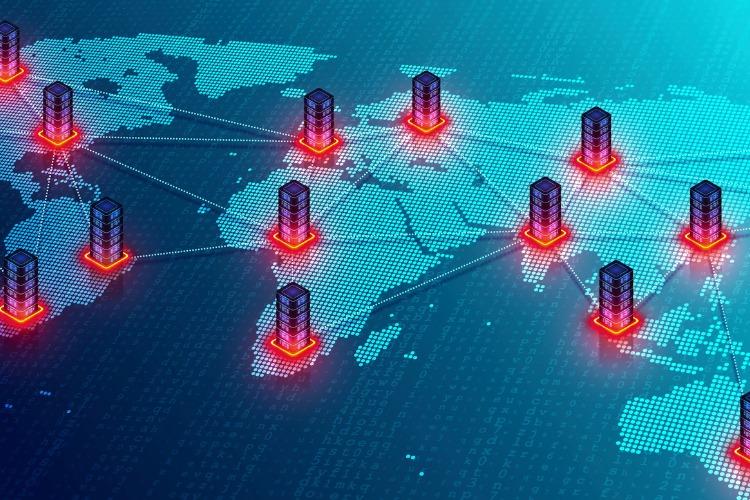
Living in a time when digital privacy has become a growing concern, Virtual Private Networks have emerged as the need of the hour to secure online activities. A US VPN, in particular, offers certain advantages to individuals and businesses alike for accessing content, securing data, and maintaining anonymity in an ever-connected world. As the trends in technology keep changing with time, so does the role of VPNs in ensuring online security and privacy.
It has spoken of how a US VPN fits into the big picture, illustrating its relevance to data security, streaming, and other newly arising challenges in online privacy.
Importance of VPNs in Today's Tech World
The internet has never been more accessible, with innovations like 5G, IoT devices, and smart technologies revolutionizing the way we live and work. On the other hand, all this connectivity comes with a price, and among the connected risks are data breaches, surveillance, and cyberattacks. That's why it’s crucial to use a VPN while traveling or connecting through public networks, where vulnerabilities are even higher. VPNs are shields against these threats; they encrypt data and mask IP addresses.
A US-centric virtual private network offers specific benefits for users inside and outside the United States:
- Access to US-Exclusive Content: Most of the streaming services, news platforms, and websites have restrictions in place that apply to geographical location. A US VPN helps users from anywhere in the world to get around these restrictions and enjoy unlimited access to such content.
- Improved Privacy Protection: More security layers are assured to US-based users, particularly within the public Wi-Fi network. The VPNs block an intrusion by cyber criminals into financial data and login credentials.
- Bypassing ISP Throttling: ISPs often engage in throttling to regulate network congestion, leading to slower speeds during streaming, gaming, or heavy downloading. Using a VPN helps prevent ISP throttling by masking your online activities, maintaining faster and more consistent internet performance.
Key Technology Trends in VPN Usage
Several emerging trends are influencing how VPNs are used, including advancements in cybersecurity technology and software solutions. Selecting the right software can significantly impact business efficiency and security. Learn more about the benefits of choosing the right software for your business.
Introduction to Remote Work and Secure Access
A US VPN is particularly valuable for ensuring that remote workers can safely connect to corporate networks while adhering to security protocols.
Geopolitics of Data Localization
Data localization laws are on the rise in many countries across the world, placing an obligation on organizations to store and manage user data physically within their geographical boundary. Though this raises major concerns over privacy, a VPN helps businesses and people cope with such restrictions in one way or another in order to have secure channels for the cross-border flow of data.
Cybersecurity Innovations
The landscape of cybersecurity shapes up now and then in order to keep pace with sophisticated threats. Split tunneling, multi-factor authentication, AI-driven threat detection-the technology of VPN integrates these features in order to outsmart such attackers. Such innovations make VPNs a one-stop solution for digital security.
The Future of the VPN Technology
The future of VPNs is all about how they can adapt to changes in user needs and changes in technology. Following are some key developments that shape the landscape for VPNs:
Smart Device Integration
With the increasing adoption of IoT, VPNs are finding their way into smart devices, from home assistants to connected vehicles. This ensures that every device in a network has VPN-level security to protect against breaches and unauthorized access.
Quantum-Resistant Encryption
In all that lies an added risk: the future development of quantum computers, which might potentially totally compromise today's strong encryption techniques. Various quantum-resistant encryption methods and technologies, therefore, go into research in their combat by VPN service providers in the race to counter the ongoing leap of technology in securing the safety of data integrity.
Personalised User Experience
With the rise in AI and machine learning, modern VPNs are getting their act smarter with personalized features, involving adaptive bandwidth allocation and automating the switching of servers. Each of these enhancements improves ease of use without sacrificing security.
Blockchain-based VPNs
Decentralized VPN solutions are attracting significant interest with the integration of blockchain technology. These platforms offer greater levels of privacy and transparency through distributed network infrastructure across multiple nodes, with less reliance on centralized servers.
VPNs in the Perspective of the US Market
Having a very large population, very well-developed technical infrastructure, and great loads of online content, the US is considered to be one of the largest VPN consumers in the world. US VPNs will be of help for:
- Access to region-locked content for expats and tourists who want to watch sports broadcasts, news channels, and some on-demand services.
- Those conscious of their privacy would seek to protect themselves from data collection by ISPs and tech giants.
- Businesses that need safe and scalable solutions to support remote workforces.
More and more technological advancement naturally creates an increasing demand for tools to help people safeguard their digital activities. In particular, VPNs, specifically US-based VPNs, serve as primary solutions for privacy concerns by granting secured access, enhancing the general experience of using the Internet. From accessing blocked content to securing sensitive data, the need for a VPN is something that can no longer be ignored in modern times.