
The Rise of Enotourism: Why Wine-Centric Getaways Are the New Luxury Travel
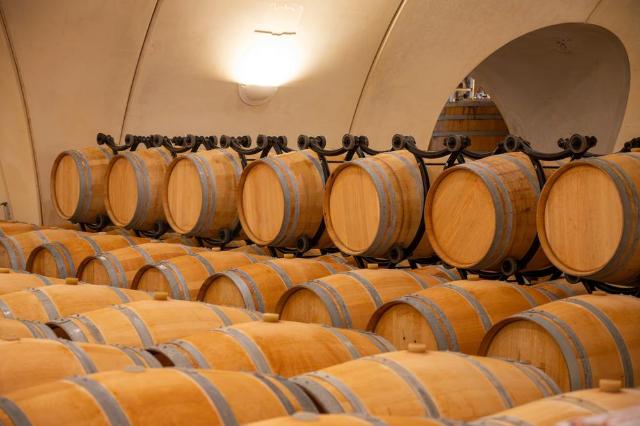
Image Source: depositphotos.com
Enotourism, travel built around wine regions, wineries, and cellar experiences, has grown from a niche pursuit into a mainstream luxury category.
According to the World Tourism Organization, wine tourism now generates over $20 billion annually and is expanding at roughly 7% per year across key markets.
What Is Enotourism and Why Is It Growing?
Enotourism (also called wine tourism) covers any travel experience where the primary draw is wine culture: vineyard visits, cellar tastings, harvest participation, and sommelier-led education.
The growth is driven by a shift in traveller priorities. Experiences are consistently ranked above possessions by travellers under 45, and wine travel sits at the intersection of food culture, landscape, and education.
Post-2020 travel recovery also pushed people toward more purposeful trips. A wine region offers a built-in framework for each day, which reduces planning stress and increases perceived value.
Top Enotourism Destinations and What Sets Them Apart
Not all wine regions offer the same visitor experience. The best enotourism destinations combine quality wine with distinctive landscapes, local gastronomy, and well-developed visitor infrastructure.
Top Enotourism Destinations Compared
|
Destination |
Key Grape Variety |
Best Season |
Avg. Tasting Tour Cost |
|
Santorini, Greece |
Assyrtiko |
Apr to Oct |
$40 to $90 per person |
|
Burgundy, France |
Pinot Noir / Chardonnay |
May to Sep |
$80 to $200 per person |
|
Tuscany, Italy |
Sangiovese |
May to Oct |
$60 to $150 per person |
|
Willamette Valley, USA |
Pinot Noir |
Jun to Nov |
$30 to $80 per person |
Why Santorini Has Become a Premier Enotourism Destination
Santorini's volcanic soil produces Assyrtiko, a high-acid, mineral-driven white wine with a global reputation that has grown sharply over the past decade.
The island's wineries are built into the caldera landscape, making cellar visits a multi-sensory experience that combines geology, architecture, and wine in a single setting.
Visitors looking for a deeper cellar experience often book through hotel-integrated wine programs. The Greek wine cellars in Santorini at Donkey Hotels offer guests curated tasting sessions in a cellar carved into the volcanic rock, pairing local varieties with the island's culinary traditions.
How to Choose Your Enotourism Experience Level
Wine travel scales to match any budget and interest level. A first-time visitor can start with a straightforward winery tour. A returning wine traveller may want a multi-day immersive stay tied to the harvest season.
Enotourism Experience Tiers
|
Experience Level |
What Is Included |
Typical Price Range |
|
Entry (winery visit) |
Cellar tour, 3 to 5 tastings |
$20 to $50 |
|
Mid-tier (guided) |
Guided tasting, vineyard walk, food pairing |
$60 to $120 |
|
Premium (immersive) |
Private cellar, sommelier, multi-course dinner |
$150 to $400 |
|
Luxury (multi-day) |
Villa stay, harvest participation, masterclass |
$500 and above |
What Industry Experts Say
"Enotourism has matured beyond novelty. The best wine regions now compete directly with traditional luxury resorts on accommodation quality, dining, and personalisation. The wine is almost secondary to the overall lifestyle experience."
- Pauline Vicard, Director of the Great Wine Capitals Global Network, speaking at the 2024 World Wine Tourism Conference
Planning Your First Wine-Centric Getaway
Choose a Region That Matches Your Palate
If you prefer whites, Mediterranean islands like Santorini or the Alentejo in Portugal offer ideal bases. Red wine enthusiasts are better served by Tuscany, the Rhone Valley, or Rioja.
Time Your Visit Around the Harvest
The harvest window, typically September and October in the northern hemisphere, is when wineries offer the most immersive and educational experiences for visitors.
Book Cellar Experiences in Advance
Premium tasting slots at well-known estates fill months ahead. If you have specific wineries in mind, secure bookings before arranging flights or accommodation.
Further Reading on OpsMatters
For more on travel trends, lifestyle, and experience-led industries, explore the latest blogs on OpsMatters and How to Simplify Complex Information for a Website Audience.
Frequently Asked Questions
What is enotourism?
Enotourism is travel that centres on wine culture, including vineyard visits, cellar tours, tastings, food pairings, and harvest experiences in wine-producing regions.
Which country is best for wine tourism?
France, Italy, and Spain lead in volume and variety. For a compact, scenically dramatic wine experience, Santorini in Greece is increasingly rated among the top destinations globally.
How much does a wine tourism trip cost?
Costs vary widely. A day of cellar visits and tastings can range from $30 to $150 per person. Multi-day immersive stays with accommodation, dining, and private sessions start around $500 per person.
When is the best time to visit a wine region?
Late summer through autumn, from August to October depending on the region, covers the harvest period and offers the most engaging visitor programs. Spring is also excellent for lighter schedules and cooler temperatures.
Do I need wine knowledge to enjoy enotourism?
No prior knowledge is required. Most wineries and cellar experiences are designed for curious visitors at all levels. A good guide or sommelier will frame the experience accessibly regardless of your background.