
RFID Technology: Transforming Retail Through Invisible Intelligence
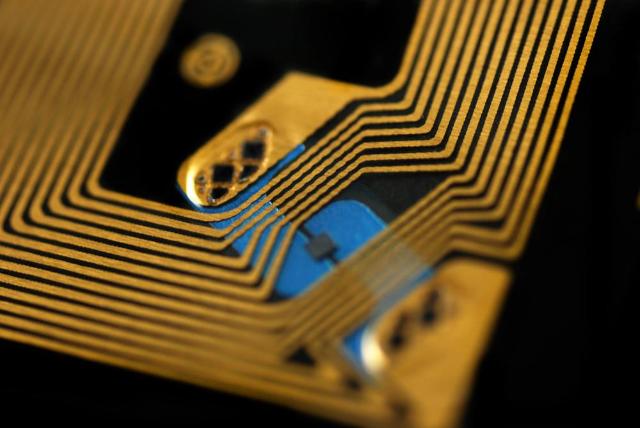
Image Source: depositphotos.com
Walk into a store, grab what you need, and simply leave—no lines, no scanning, no fumbling with payment apps. This isn't science fiction anymore. Radio Frequency Identification technology has quietly revolutionized how we shop, creating experiences that feel almost magical while simultaneously generating unprecedented insights into consumer behavior.
The Mechanics Behind Cashier-Less Commerce
Understanding how shoppers exit without traditional checkout requires appreciating RFID's elegant simplicity. Tiny tags embedded in product packaging or labels contain microchips that transmit unique identification codes. These aren't the clunky security tags of yesteryear—modern iterations measure millimeters across and cost pennies to produce.
Strategically positioned readers throughout the store create invisible detection zones. As customers move through these areas, the system continuously tracks which items they've picked up, considered, and ultimately kept. The technology distinguishes between someone examining a product and actually placing it in their bag, reducing false charges that plagued early implementations.
The exit experience feels seamless because multiple verification points work in concert. Overhead sensors, shelf-mounted readers, and exit gate scanners cross-reference data to ensure accuracy. When you leave, the associated payment method—linked during entry via smartphone app or connected credit card—processes automatically. Receipts arrive digitally within seconds.
Personalization Beyond Basic Demographics
RFID's real power emerges not from eliminating checkout friction but from understanding shopping patterns with granular precision. Traditional retail analytics tracked what sold and when. RFID reveals the journey—which aisles customers linger in, what they pick up but don't purchase, and how long they contemplate decisions.
This behavioral data fuels personalization that adapts in real-time. Digital displays can adjust messaging based on nearby shoppers' preferences, learned from previous visits. Someone who consistently browses organic products might see different promotions than a budget-focused shopper standing in the same aisle moments later. The store essentially reconfigures itself around each individual without requiring explicit input or profile creation.
Inventory management transforms simultaneously. Knowing exactly which items leave shelves allows predictive restocking that anticipates demand rather than reacting to empty spaces. Companies like Metalcraft have developed durable RFID solutions that withstand the rigors of supply chain tracking while remaining cost-effective enough for widespread deployment across product categories.
Privacy Concerns and Consumer Trust
This level of tracking understandably triggers concerns. Critics question whether retailers might share movement patterns with third parties or use purchase history for discriminatory pricing. The technology capable of perfecting convenience could equally enable surveillance that most consumers would reject if presented transparently.
Forward-thinking retailers address these concerns through data governance frameworks that prioritize anonymization and consent. Shoppers receive clear explanations about what gets tracked and retain control over whether their data contributes to personalization features. Some systems operate entirely on anonymized identifiers—the store knows "Customer 47382" prefers gluten-free products but cannot connect that preference to a name or contact information without explicit permission.
Regulatory frameworks continue evolving to protect consumers while allowing innovation. European GDPR requirements influence global retail technology standards, pushing American and Asian markets toward more restrictive data practices. The retailers that thrive will likely be those treating privacy as a competitive advantage rather than a compliance burden.
Implementation Challenges Beyond Technology
Deploying RFID-enabled cashier-less systems requires more than installing hardware. Product packaging must accommodate tags without compromising design or increasing costs prohibitively. Liquid products present particular challenges since fluids interfere with radio signals—early systems struggled with beverage aisles until specialized tag placement solutions emerged.
Staff roles shift dramatically in these environments. Traditional cashiers become customer service specialists focused on answering questions, resolving issues, and creating welcoming atmospheres. This transition requires retraining and cultural change that many established retailers find difficult. The technology implementation represents perhaps 30% of the challenge; the human adaptation accounts for the remaining 70%.
Economic viability remains questionable for smaller retailers. Installation costs ranging from hundreds of thousands to millions of dollars make sense for high-volume urban locations but seem excessive for suburban stores with modest traffic. The technology likely remains concentrated in flagship locations and densely populated markets for the foreseeable future.
The Future Shopping Landscape
Looking ahead, RFID integration will likely extend beyond individual stores into comprehensive lifestyle ecosystems. Your refrigerator might communicate with retailers about depleted staples, automatically adding items to shopping lists or even pre-authorizing purchases during your next visit. Smart closets could suggest outfit combinations based on upcoming weather and social commitments, identifying wardrobe gaps and surfacing relevant products.
The line between online and physical retail continues blurring. RFID-enabled stores function essentially as showrooms where customers experience products physically while enjoying the convenience and personalization previously exclusive to e-commerce. This hybrid model may represent retail's sustainable future—combining human sensory experience with digital intelligence.
Whether consumers embrace or resist this transformation largely depends on perceived value exchange. Convenience and personalization must feel worth the implicit data sharing, with trust built through transparent practices and consistent protection of customer interests.