
Protective External Paneling Options For Better Home Weatherproofing
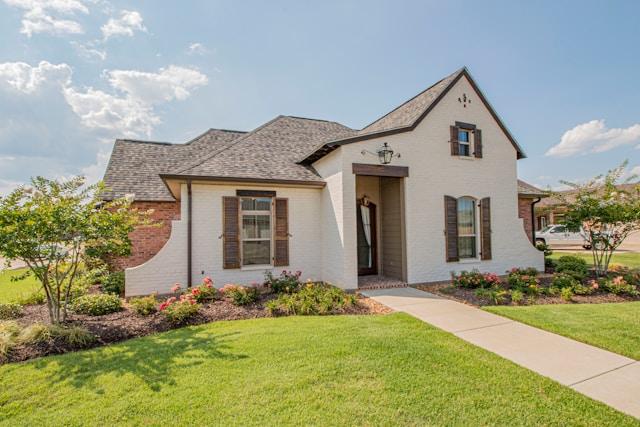
Home protection starts with a strong exterior. High winds, heavy rain, and snow can damage a house over time. Selecting the right paneling can prevent expensive repairs. This guide looks at modern options to help keep a home dry and safe. Proper weatherproofing saves money on power bills and keeps the structure sound.
Durable Fiber Cement Performance
Fiber cement is a popular choice for tough climates. A professional guide explained that this material is engineered to withstand constant moisture and high winds. It stays strong through freeze-thaw cycles without cracking or warping. This durability makes it a proven performer in regions with very harsh weather.
Homeowners appreciate how this material mimics the look of wood. It provides a classic style without the risk of rot or insect damage. The material is very heavy - it requires expert installation to perform correctly.
Metal Paneling Strengths
Metal is a modern and tough option that handles extreme weather with minimal maintenance. One industry analysis noted that metal resists moisture and high winds better than many softer materials. It is a long-lasting choice for people who want to avoid frequent repairs.
Fire resistance is a major benefit of choosing metal for a home exterior. It does not ignite or spread flames during an emergency. The material stays cool by reflecting sunlight - this helps keep energy costs lower during the summer months.
Local Weatherproofing Considerations
Regional climates dictate which materials work best for a home. Many families look for roofing and siding in Wisconsin to combat the heavy winter snow and summer heat. Local contractors often suggest pairing strong panels with quality insulation.
Choosing the right exterior is about more than just looks. It involves understanding how wind patterns and moisture levels affect the walls. A house needs to breathe but remain sealed against driving rain.
Stucco and Traditional Finishes
Stucco remains a reliable choice for protecting a building from the elements. An article about external cladding mentioned that stucco is a highly durable material. It can withstand various weather conditions like heavy rain and high wind speeds.
The thick layers of stucco provide a natural barrier against outside noise. It helps keep the interior quiet and peaceful for the family. This material works well on many different home designs - from modern to historic - this style works well.
Market Trends in Vinyl
Vinyl is a popular material for residential projects across the country. Statistics show that vinyl siding accounts for 38% to 41.5% of the U.S. siding market share. It is easy to find and comes in a wide variety of colors and textures.
There are several reasons why this material remains a top choice:
- It is very affordable for large projects.
- Maintenance is limited to occasional cleaning with water.
- It does not need to be painted every few years.
Homeowners like that it stays looking new for a long time. It resists fading from the sun and holds up against light hail.
Modern Insulation Layering
High-quality paneling is only one part of a good weatherproofing system. Research on sheathing options highlighted that polyisocyanurate leads the pack among rigid foam insulation types. This thermoset material chars rather than melting when it gets hot.
Using this type of insulation creates a tighter seal around the structure. It prevents air leaks that cause energy bills to spike. The material is strong - it adds structural rigidity to the walls.
Glass and Innovative Facades
Advancements in glass technology offer new ways to protect a home. A blog post about wall products described triple-glazed facade units that offer top-tier thermal insulation. These units prevent heat from escaping during the cold winter months.
Modern designs often use these systems to create large window walls. They provide excellent views without sacrificing the comfort of the home. The glass is treated to resist impact from debris during storms.
Sustainable Masonry Options
Eco-friendly materials are becoming more common in home construction. One report on siding trends found that alternative masonry uses 35% post-consumer recycled materials. This makes it a strong choice for homeowners who want a responsible material profile.
This type of masonry offers the same protection as traditional stone. It resists fire and moisture while providing a high-end look. The panels are often easier to install than heavy natural stone.
High-Pressure Laminate Durability
Laminate panels offer a unique combination of strength and weight. A recent blog noted that high-pressure laminate panels are strong and built to last. They are lightweight - this makes them easier to handle during the installation process.
The surface of these panels is very hard and resists scratches or dents. It stays beautiful even in areas with high wind-blown sand. Many modern architects choose this material for its sleek and clean lines.
Selecting the best paneling is a key step in protecting a home. Each material offers different strengths for fighting wind, rain, and snow. Homeowners should weigh their options carefully to find the best fit for their local climate.