
Live proxy stock visibility on NSOCKS for smarter pre purchase decisions
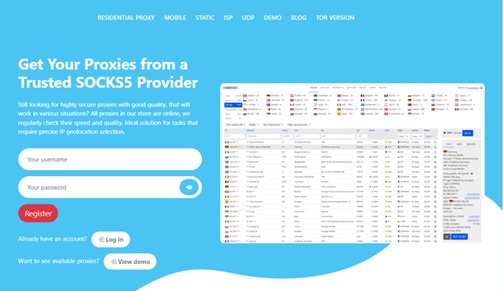
Buying proxy access becomes much more controlled when the user can inspect real inventory instead of relying on vague package promises. On the homepage, NSOCKS presents a model where specific IPs can be reviewed before payment, with visible details such as geolocation, speed, ISP data, protocol support, and live availability. That shifts the buying process away from blind subscription logic and toward deliberate selection based on current stock. The practical value of the service comes from this visibility layer, because it lets users judge what they are paying for before money leaves the balance. ✨
Why live stock visibility changes proxy buying
A proxy marketplace becomes more useful when users are not forced to buy abstract access first and discover quality later. The NSOCKS homepage emphasizes that buyers can choose selected IP addresses from the current list and validate positioning, speed, ISP information, and protocol data before payment. That changes the entire logic of buying because selection becomes evidence based instead of hope based.
The homepage also makes a point about avoiding shared pool uncertainty and subscription pressure. Instead of committing to a blind bundle, the user sees live stock directly in the dashboard and works from visible details tied to individual addresses. This is especially practical for buyers who care more about fit and control than about large preset plans. ✅
Before comparing any proxy category, it helps to understand what the homepage treats as the core advantage of the platform. The service is built around transparency, live status, and IP specific detail rather than around anonymous package marketing. The table below turns that homepage logic into a simpler decision view.
|
Visibility feature |
What the homepage highlights |
Why it matters before purchase |
|
Current IP list |
Specific addresses are shown before payment |
Prevents blind buying |
|
Geolocation data |
Location details are visible in advance |
Improves regional accuracy |
|
Speed information |
Performance can be checked first |
Supports better technical fit |
|
ISP information |
Network identity is shown |
Helps judge trust and relevance |
|
Protocol data |
Users see supported connection types |
Reduces setup mismatch |
|
Live status |
Addresses appear as current stock |
Makes the purchase more realistic |
Seeing the address before payment changes trust
When a user can review the actual address entry rather than only a plan description, the transaction becomes much easier to evaluate. The homepage explicitly presents this as a point of difference from competitors that make broad claims without showing the real stock in advance. For practical buyers, that kind of preview is one of the strongest trust signals a proxy platform can offer.
Live availability reduces marketing uncertainty
The homepage states that users buy from actual availability rather than from theoretical inventory numbers. That matters because a large advertised pool is less useful if the available IPs are not visible at the moment of purchase. Real time stock makes the service feel more like a working market and less like a generic promise. ✨
Pre purchase data supports cleaner decisions
A visible list of IP attributes helps the user ask a better question before checkout. Instead of asking whether the platform sounds impressive, the user can ask whether this specific IP in this specific location with this specific speed matches the actual task. That is a much stronger buying method than purchasing first and diagnosing fit later.
What the homepage shows before a user buys
The NSOCKS homepage presents the service as a dashboard oriented system rather than a static sales page. It explains that available proxy IPs are shown with geolocation based location, connection speed, and protocol information, which helps the buyer judge the address before purchase. This makes the platform especially relevant for users who want to compare options rather than accept a one size fits all package.
Another useful detail on the homepage is the emphasis on custom search. Users can filter by proxy type, state, city, ZIP code, ISP, and domain, which means the visible stock can also be narrowed with practical criteria. That combination of live listing and deep filtering is what turns inventory visibility into a real workflow tool. ✅
A visible list is only truly valuable when it can be searched intelligently. The homepage pairs current stock with filter controls so the user does not have to scan irrelevant entries by hand. The next table shows how those search variables improve buying accuracy.
|
Search parameter |
How NSOCKS presents it |
Buying benefit |
|
Proxy type |
LTE Residential Datacenter |
Helps match traffic profile |
|
State |
Regional filtering inside countries |
Improves local relevance |
|
City |
More precise geographic narrowing |
Better fit for location sensitive tasks |
|
ZIP code |
Fine location refinement |
Useful for granular checks |
|
ISP |
Network provider filtering |
Supports network specific selection |
|
Domain |
Target based narrowing |
Helps align stock with intended use |
Filter depth creates more relevant shortlists
Many platforms show a big pool but give the user very little control over what appears next. NSOCKS presents filtering as a central feature, which means stock visibility is not only about volume but also about narrowing results to what matters for the task. A smaller relevant shortlist is usually more valuable than a huge unfiltered catalog.
Dashboard transparency supports professional use
The homepage describes the platform as one where the available stock is shown directly in the dashboard with accurate details. This matters for professionals because repeated proxy buying becomes much easier when the same visibility model can be reused again and again. The dashboard is not just a place to complete payment but a place to compare, select, and verify. ✨
Real time metrics are more useful than generic quality claims
The site also mentions that users can evaluate performance and latency metrics before purchase. This makes the quality question more concrete because the decision can be tied to live indicators instead of to slogans about premium service. For a buyer choosing between several similar options, that visibility can be the difference between a good fit and a wasted rental.
How to judge one proxy before paying
A visible IP list still requires a method. Buyers who look at stock without a decision process can still choose poorly, even on a transparent platform. The best approach is to review each visible proxy in a fixed order so the selection stays practical and repeatable.
The homepage gives enough signals to build a clean pre purchase routine. It points to geolocation, speed, protocol data, ISP details, and current status as visible factors, all of which can be reviewed before checkout. That creates a strong basis for a step by step method instead of random selection. ✅
Step one define the real target
Before touching the inventory list, the user should decide what the proxy needs to achieve. A location sensitive verification task, a monitoring task, and a multi account task do not reward the same IP characteristics in exactly the same way. Clear purpose is what gives the visible stock meaning.
Step two narrow the search first
The homepage makes filtering central to the platform, so it is more effective to narrow the list before comparing prices. Proxy type, state, city, ZIP code, ISP, and domain filters reduce noise and help the buyer compare only relevant entries. This keeps the process focused on fit rather than volume.
Step three compare performance and protocol
Once the shortlist exists, speed and protocol data should be reviewed before anything is added to the cart. The homepage explicitly says those details are shown in advance, which means the platform expects users to make those checks rather than skip them. A proxy with the wrong protocol or weak visible performance is still the wrong purchase even if the location is correct. ✨
Step four check ISP and current status
Network identity matters because the homepage highlights ISP information and live stock status as part of the buying view. This gives the buyer a chance to judge whether the address looks suitable for the intended workflow and whether it is currently available rather than merely advertised. Visibility is most useful when it is actually used at this stage.
Information blocks for faster pre purchase checks
A good platform is easier to use when the buyer has a short internal checklist. The homepage itself already provides the right categories of information, so the main challenge is not finding variables but remembering to review them consistently. These information blocks help turn homepage transparency into better buying discipline.
Good signs before checkout
- ✅ The proxy appears in the live list rather than in a vague plan description
- ✅ Location and ISP data match the actual task
- ✅ Speed and protocol details look suitable before payment
- ✅ The list has already been narrowed through filters instead of scanned randomly
Warning signs before checkout
- ❌ The user is choosing only by price
- ❌ The search was never narrowed by type or location
- ❌ The proxy is being judged without checking protocol support
- ❌ The buyer is assuming current stock without reviewing visible status ✅
Why this checklist matters
A transparent platform still rewards disciplined users more than careless ones. The homepage gives enough live information to support a better method, but only if the buyer slows down long enough to use it. Strong inventory visibility is most valuable when it leads to fewer weak purchases over time.
Comparing visible stock buying with blind package buying
The most useful comparison on the homepage is not between one proxy type and another. It is between a visible stock model and a package model where the buyer pays first and learns later. NSOCKS leans strongly toward the first approach by showing current IP entries and their details directly in the interface.
Visible stock supports specific choice
A visible stock model gives the buyer a chance to choose one address because of its visible location, performance, and network details. That creates a more specific transaction where the user knows what is being purchased. In many proxy services, that level of control simply does not exist before payment.
Blind packages shift the risk to the buyer
When a platform sells only broad plans, the user has to discover the real quality after money has already been committed. The homepage implicitly positions NSOCKS against that model by stressing transparency, current list access, and live details. The result is a service structure that moves more of the decision power back to the buyer. ✨
Pay as you go works better with visibility
The homepage also explains that pricing starts from $0.40 per 24 hours with no subscriptions forcing monthly commitments. That model fits especially well with visible stock because the user can judge one current option and rent it without locking into a longer abstract plan. Small rentals and visible inventory reinforce each other.
Step by step route from homepage to first purchase
The homepage includes its own buying instructions, and those steps are useful because they reinforce the visibility driven model. Users are told to go to the site, register, set proxy authentication, deposit funds, open the online proxy list, apply filters, buy a proxy, review purchased proxies, renew if needed, and then connect with the shown credentials. This sequence is a practical continuation of the homepage’s transparency model.
Register and prepare the account
The first useful action is creating an account and setting login and password for proxy authorization. The homepage presents this as part of controlled access and stable usage rather than as a meaningless formality. It ensures that visible stock can later be turned into a working proxy session with proper credentials.
Deposit only after the buying logic is clear
The homepage says users can deposit funds in the billing section and then browse available stock. A careful buyer should already know what kind of proxy is needed before topping up heavily, because the advantage of the platform lies in selective purchasing rather than in forced volume. This helps keep spending close to real demand. ✅
Buy from the filtered online list
The actual purchase happens only after the user reaches the online proxy list and applies relevant filters. That is where the homepage vision becomes most concrete because the user is no longer dealing with abstract promises but with visible addresses and visible details. The active proxy then appears in purchased proxies or history together with IP:PORT and management options.
Practical recommendations for buyers who use the homepage well
The strongest use of the homepage is not passive reading. It is active comparison of real stock with real criteria. The platform works best for users who treat the visible list as a decision tool rather than as a decorative feature.
Use the homepage as a screening layer
A smart buyer should use the homepage and dashboard environment to screen options before spending. Because the service shows live inventory and detailed filters, the best first move is usually comparison, not immediate checkout. That is how transparency becomes a real operational advantage. ✨
Avoid overbuying before validation
The homepage supports a pay as you go model and even highlights discounted blacklisted proxies and refund conditions under stated rules. That means users do not need to force large commitments early. Buying one or a few well matched entries usually fits the homepage philosophy much better than buying broadly without evidence.
Reuse the same method each time
Because the stock updates constantly and the inventory is live, one of the best long term habits is to reuse the same evaluation routine every time. Check task, apply filters, compare visible details, then buy only what fits. For buyers who value control, that is where the homepage becomes more than a landing page and starts acting like a working selection system. ✅