
How Technology Is Changing the Way Companies Accept Payments
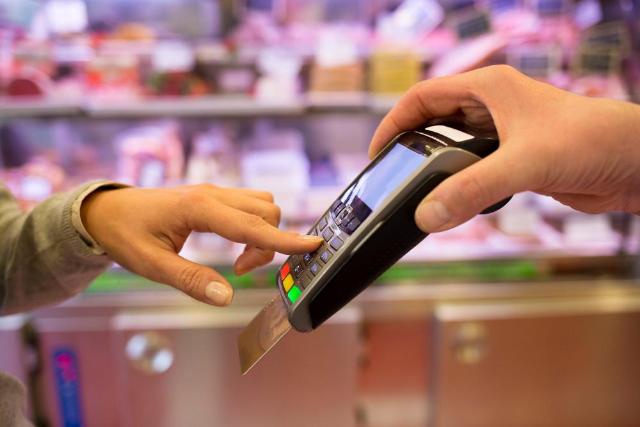
Image Source: depositphotos.com
The way companies handle payments has undergone significant changes in recent years. Traditional cash registers and bank transfers are no longer enough for modern businesses, especially those operating online or in high-risk industries. Technology has made payment processing faster, more secure, and accessible to companies of all sizes. Whether you run a small e-commerce store or manage a subscription-based service, understanding these changes is key to staying competitive.
The role of high-risk payment processing
For businesses in industries considered high risk, such as travel, adult content, or subscription services, traditional payment providers can be restrictive. That’s where high-risk payment processing comes in. These specialized systems allow companies to process transactions safely and reliably, even when banks might otherwise deny service.
Platforms that offer high-risk payment processing often provide tools such as fraud detection, chargeback management, and flexible integration options. By leveraging these technologies, businesses can create a seamless payment experience that protects revenue and maintains customer trust.
Mobile payments and digital wallets
One of the most significant shifts in recent years is the rise of mobile payments and digital wallets. Services like Apple Pay, Google Wallet, and other mobile-friendly solutions enable customers to make quick payments using their smartphones.
Companies that adopt these technologies benefit from faster checkouts, reduced abandoned carts, and higher customer satisfaction. Even for businesses that rely on high risk payment processing, integrating mobile payment options has become essential for staying competitive in a fast-paced market.
Automation and recurring billing
Technology has also enabled automation in payment systems. Subscription-based businesses, for example, can set up recurring billing so customers are charged automatically at regular intervals. This reduces the risk of missed payments and streamlines cash flow.
Many high-risk industries also benefit from automated tools that monitor transactions and flag potential issues. By combining automation with high-risk payment processing, businesses can efficiently handle large volumes of payments without compromising security.
Enhanced security and fraud prevention
As online transactions increase, so does the risk of fraud. Advanced payment technologies now incorporate real-time monitoring, encryption, and multi-layer authentication to safeguard customer data.
Companies using high-risk payment processing platforms often gain access to specialized fraud prevention tools. These systems help detect suspicious activity before it becomes a problem, protecting both the business and its customers. Enhanced security measures also improve customer confidence, which can lead to increased sales and loyalty.
Global payments and multi-currency support
Technology has made it easier for businesses to accept payments from anywhere in the world. Multi-currency support and international payment gateways enable companies to expand into new markets without the complexity of traditional banking.
Even businesses in high-risk industries can benefit from these tools. A reliable high-risk payment processing system ensures that cross-border transactions are smooth, reducing delays and preventing lost revenue. This capability is crucial for companies looking to expand internationally.
Data insights and reporting
Modern payment systems don’t just process transactions—they provide valuable data. Dashboards and reporting tools enable businesses to track revenue, understand customer behavior, and identify key trends.
For companies using high-risk payment processing, these insights are particularly valuable. Businesses can see patterns in payments, track high-risk transactions, and make informed decisions to optimize operations. Data-driven strategies enable businesses to grow more rapidly and respond to challenges proactively.
Conclusion
Technology is transforming the way companies accept payments, making transactions faster, safer, and more flexible than ever. Mobile payments, automation, enhanced security, and global capabilities allow businesses to meet customer expectations while protecting revenue.
For industries considered high-risk, high-risk payment processing solutions offer a reliable way to accept payments, manage fraud, and maintain a seamless customer experience. By adopting modern payment technologies, businesses can focus on growth and innovation, knowing their payment systems are equipped for the demands of today’s market.