
How GPS Ankle Monitors Work in Ohio: A Complete Guide to Electronic Monitoring and Bail Bonds
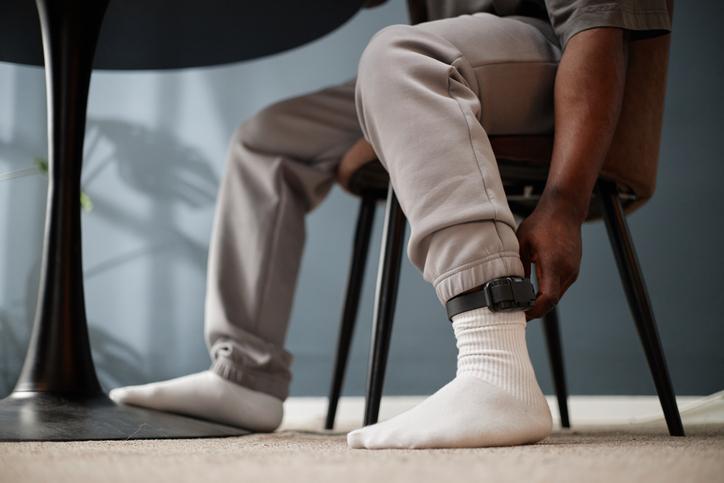
When someone you care about is arrested, the experience can be overwhelming. Along with concerns about bail, court dates, and legal representation, many families are surprised to learn that a judge may require a GPS ankle monitor as a condition of release. If you've never dealt with the Ohio criminal justice system before, you probably have questions. What is a GPS ankle monitor? How does it work? Can someone still go to work? Do you still need a bail bond? What happens if the monitor stops working?
In Ohio, electronic monitoring is commonly used to help courts supervise defendants who are released from jail while their criminal case is pending. Depending on the circumstances, a judge may require a GPS ankle monitor to verify a person's location, enforce curfews, establish restricted areas through geofencing, or provide additional oversight as part of the conditions of release.
Understanding these requirements is essential. Failing to comply with court-ordered monitoring can result in additional restrictions, revocation of bail, or even a return to jail.
At Andy Callif Bail Bonds, we've helped individuals and families throughout Columbus, Franklin County, and communities across Ohio navigate the bail process for more than 27 years. As a third-generation bail bondsman, Andy Callif understands how stressful an arrest can be. Our goal is not only to secure your loved one's release quickly but also to help clients understand what to expect after leaving jail.
Whether you're searching for information about GPS ankle monitors in Ohio, electronic monitoring, or Ohio bail bonds, this guide explains how the technology works, why courts use it, and what you need to know to remain compliant with your release conditions.
What Is a GPS Ankle Monitor?
A GPS ankle monitor is an electronic device ordered by a court to supervise a defendant after release from jail. Instead of remaining incarcerated while a criminal case moves through the court system, eligible defendants may be allowed to return home under specific conditions established by the judge.
The monitor is securely attached around the ankle and uses Global Positioning System (GPS) technology and cellular communication to report the wearer's location to a supervising agency.
Electronic monitoring is commonly ordered in cases involving:
- Felony offenses
- Domestic violence charges
- Repeat offenders
- Flight-risk concerns
- Court-ordered house arrest
- Protection orders
- Probation or community control
Every case is different. Before ordering electronic monitoring, the judge considers factors such as the seriousness of the charges, criminal history, public safety, and whether the defendant is likely to appear for future court dates.
It's important to understand that wearing a GPS ankle monitor is not a criminal conviction. Many individuals wear electronic monitoring while awaiting trial, and they are presumed innocent unless proven guilty in court.
Why Courts Use Electronic Monitoring
Electronic monitoring provides courts with an alternative to keeping certain defendants in jail while their cases move through the legal system.
For many people, remaining in the community while awaiting trial allows them to:
- Continue working
- Support their family
- Attend school
- Receive medical treatment
- Meet with their attorney
- Participate in counseling or treatment programs
- Prepare for upcoming court appearances
From the court's perspective, GPS monitoring promotes accountability while reducing unnecessary jail overcrowding. It allows supervising agencies to verify that defendants are following the conditions of their release while still maintaining employment and other responsibilities.
Electronic monitoring is designed to balance public safety with the opportunity for eligible defendants to remain productive members of the community while their case is pending.
How GPS Ankle Monitors Work
Modern GPS ankle monitors are far more advanced than many people realize. Today's devices combine multiple technologies into one compact unit that continuously communicates with a monitoring center.
Most systems include:
- GPS satellite tracking
- Cellular communication
- Rechargeable batteries
- Motion sensors
- Tamper-detection technology
- Secure locking mechanisms
Together, these components allow supervising agencies to verify where a defendant has been and whether they are complying with court-ordered restrictions.
GPS Tracking
The primary function of an ankle monitor is GPS location tracking.
The device communicates with multiple satellites to determine its location with a high degree of accuracy. Depending on the monitoring program, the device may report its location every few seconds or at scheduled intervals throughout the day.
Unlike a smartphone navigation app, a GPS ankle monitor is specifically designed for court supervision. Its purpose is to verify compliance with release conditions, not simply provide directions.
Cellular Communication
After determining its location, the monitor securely transmits that information using a cellular network.
If the device temporarily loses cellular service, it often stores the location data and uploads it once a connection is restored. This creates a continuous record of movement even if temporary communication interruptions occur.
Rechargeable Battery
Most GPS ankle monitors require daily charging.
Allowing the battery to become completely discharged may generate alerts to the supervising agency and could be considered a violation of release conditions.
Creating a daily charging routine is one of the easiest ways to avoid unnecessary problems while on electronic monitoring.
Tamper Detection
Modern ankle monitors include sophisticated tamper-detection technology.
Depending on the manufacturer, devices may use:
- Reinforced fiber-optic straps
- Strap integrity sensors
- Motion detection
- Electronic locking systems
- Automatic alert notifications
If someone attempts to cut, loosen, or remove the monitor, supervising officers may receive an immediate alert for review.
How Secure Is an Ankle Monitor Cuff?
One of the most common questions people ask is whether an ankle monitor can simply be removed. The answer is no.
The monitor is secured using a durable cuff designed to remain attached throughout normal daily activities. Once installed by authorized personnel, it cannot be removed without specialized equipment.
The secure cuff is continuously monitored for signs of tampering. If the strap is cut, stretched, disconnected, or damaged, the monitoring system can immediately notify the supervising agency.
Attempting to remove or alter an ankle monitor may result in:
- Revocation of bail
- Return to jail
- Additional criminal charges
- Stricter release conditions
- Possible arrest
If the device becomes uncomfortable or appears damaged, contact your supervising officer immediately. Never attempt to repair or remove the monitor yourself.
What Is Geofencing?
One of the most valuable features of GPS ankle monitors is geofencing.
Geofencing uses GPS coordinates to create invisible boundaries around specific locations. These virtual boundaries help courts ensure that defendants remain where they are supposed to be and avoid areas they have been ordered to stay away from.
Inclusion Zones
An inclusion zone is an approved location where the defendant is permitted or required to be.
Examples include:
- Home
- Workplace
- School
- Medical appointments
- Court appearances
- Counseling sessions
- Religious services
If approved by the court, these locations and travel schedules may be programmed into the monitoring system.
Exclusion Zones
Exclusion zones identify places a defendant is prohibited from entering.
These may include:
- A victim's residence
- A protected person's workplace
- Schools or daycare centers
- Specific neighborhoods
- Court-designated restricted locations
If the monitor detects entry into a prohibited area, the supervising agency may receive an alert for review.
Following geofencing rules is one of the most important responsibilities while on electronic monitoring. If work schedules, medical appointments, or other circumstances change, always notify your supervising officer and obtain approval before traveling outside your authorized schedule.
GPS Monitoring vs. RF Monitoring
Although many people refer to every electronic monitoring device as an ankle monitor, courts use two primary systems.
GPS Monitoring
GPS monitoring tracks a person's location throughout the community using satellite technology. It is commonly ordered when defendants are permitted to travel to work, school, medical appointments, counseling, and court while remaining under supervision.
Radio Frequency (RF) Monitoring
Radio Frequency (RF) monitoring is primarily used for house arrest and curfew enforcement.
Instead of tracking movement throughout the community, an RF monitor communicates with a receiver installed inside the home. If the individual leaves during restricted hours, the system generates an alert.
The judge determines which monitoring system is appropriate based on the charges, criminal history, public safety concerns, and the specific circumstances of each case.
Bail Bonds, Electronic Monitoring, and Staying Compliant in Ohio
Do You Still Need a Bail Bond if You're Ordered to Wear a GPS Ankle Monitor?
One of the most common questions families ask after an arrest is whether a GPS ankle monitor replaces the need for a bail bond. In many Ohio cases, the answer is no. These two serve different purposes and are often used together.
A bail bond allows a defendant to be released from jail while awaiting future court appearances. It serves as a financial guarantee that the defendant will return to court and comply with all conditions ordered by the judge.
A GPS ankle monitor is one of those possible conditions. It allows the court or supervising agency to verify that the defendant follows restrictions such as approved travel schedules, curfews, house arrest requirements, or exclusion zones.
Depending on the case, a judge may order:
- A bail bond only
- Electronic monitoring only
- Both a bail bond and GPS monitoring
Every case is different. Judges consider factors such as the criminal charges, prior criminal history, public safety concerns, and the likelihood that the defendant will appear in court.
At Andy Callif Bail Bonds, we help families understand the release process from beginning to end. If electronic monitoring is required, we'll explain what to expect so you can confidently comply with every condition of release.
Who Pays for Electronic Monitoring in Ohio?
Many people are surprised to learn that electronic monitoring is not always free.
In many Ohio counties, the defendant is responsible for paying the cost of court-ordered monitoring. Fees vary depending on:
- The county where the case is being heard
- The monitoring agency
- Whether GPS or RF monitoring is required
- The length of the monitoring period
- Additional supervision requirements
The supervising agency will explain any applicable fees, payment schedules, and reporting requirements.
Although monitoring adds an expense, many defendants prefer electronic monitoring over remaining in jail because it allows them to continue working, supporting their family, and preparing for court.
Can GPS Ankle Monitors Make Mistakes?
Modern GPS ankle monitors are extremely reliable, but like any electronic technology, they are not perfect.
Temporary issues can occasionally occur because of:
- Poor cellular reception
- Underground parking garages
- Large buildings
- Heavy construction
- Temporary satellite signal interruptions
These situations do not automatically mean someone has violated a court order. Monitoring agencies typically review the complete tracking history before determining whether a violation occurred.
If you believe your device is malfunctioning, contact your supervising officer immediately. Never ignore warning messages or attempt to repair the equipment yourself.
Common Ankle Monitor Violations
Most violations occur because defendants misunderstand their release conditions rather than intentionally violating them.
Understanding the most common mistakes can help you avoid unnecessary problems.
Failing to Charge the Device
Most GPS ankle monitors require daily charging.
Allowing the battery to become completely discharged can generate alerts and may be considered a violation of your release conditions.
Creating a regular charging routine is one of the easiest ways to remain compliant.
Leaving an Approved Area
If your monitoring schedule only allows travel between home and work, stopping somewhere else without prior approval could generate an alert.
Always follow your approved travel schedule and contact your supervising officer before making changes.
Missing Curfew
Many defendants are required to be home during specific hours.
Even arriving home a few minutes late may trigger a notification depending on your monitoring program.
Planning and allowing extra travel time can help prevent unnecessary violations.
Entering an Exclusion Zone
If the court has ordered you to stay away from certain locations or individuals, entering those areas—even briefly—may generate an alert.
Know your restrictions and always avoid prohibited locations.
Tampering With the Monitor
Attempting to remove, cut, loosen, or alter an ankle monitor is one of the most serious violations.
Modern monitoring systems are designed to detect tampering immediately and may notify the supervising agency within minutes.
Possible consequences include:
- Revocation of bail
- Immediate arrest
- Return to jail
- Additional criminal charges
- Stricter release conditions
Failing to Report Schedule Changes
Life happens. Work schedules change, medical appointments are added, and family emergencies arise.
However, defendants should always notify their supervising officer before changing their approved schedule whenever possible.
Good communication is one of the best ways to avoid unnecessary violations.
Tips for Staying Compliant
Successfully completing electronic monitoring often comes down to following a few simple habits:
- Charge your monitor every day.
- Never attempt to remove or alter the device.
- Follow your approved schedule.
- Avoid restricted areas.
- Report equipment problems immediately.
- Keep your supervising officer informed of schedule changes.
- Attend every court appearance.
- Follow every condition ordered by the judge.
Compliance not only helps you avoid violations, but it also demonstrates to the court that you take your release conditions seriously.
Frequently Asked Questions
Can I work while wearing a GPS ankle monitor?
Yes. Many defendants are permitted to work if employment has been approved by the court or supervising agency.
Can I shower with the monitor?
Most GPS ankle monitors are water-resistant and may be worn while showering. Follow the care instructions provided by your monitoring agency.
Does the monitor record conversations?
No. GPS ankle monitors are designed to track location and detect tampering. They are not intended to record conversations.
What happens if the battery dies?
The monitoring system will usually generate an alert. Repeated battery violations could result in additional restrictions or court action.
Can I travel outside my approved area?
Only if the court or supervising agency has given prior approval.
How long do I have to wear the monitor?
The length of monitoring varies depending on your case and the judge's order.
Does wearing an ankle monitor mean I've been convicted?
No. Many defendants wear electronic monitoring while awaiting trial and are presumed innocent unless proven guilty.
Can Andy Callif Bail Bonds answer questions about the bail process?
Absolutely. While your attorney provides legal advice, our experienced team can explain the bail process, release procedures, and what to expect after someone is released from jail.
Why Families Choose Andy Callif Bail Bonds
For more than 27 years, Andy Callif Bail Bonds has helped thousands of families throughout Columbus, Franklin County, and across Ohio during some of life's most difficult moments.
Clients choose Andy Callif Bail Bonds because we offer:
- 24-hour bail bond service
- Fast, reliable release assistance
- Flexible payment plans
- Bail by phone for qualifying cases
- Confidential, respectful service
- Convenient location across from the Franklin County Courthouse
- Third-generation experience serving Ohio families
When time matters, experience matters.
About Andy Callif
Andy Callif is a third-generation Ohio bail bondsman with more than 27 years of experience helping clients navigate the Ohio criminal justice system.
Since 1999, Andy has assisted thousands of individuals and families with professional bail bond services throughout Columbus, Franklin County, and communities across Ohio. His experience, integrity, and knowledge of local courts and jails help clients secure release as quickly and efficiently as possible.
Contact Andy Callif Bail Bonds Today
If you or someone you care about needs fast, professional bail bond assistance, Andy Callif Bail Bonds is available 24 hours a day, 7 days a week.
Andy Callif Bail Bonds
350 S. High Street
Columbus, Ohio 43215
Phone: (614) 221-0100
Conveniently located across from the Franklin County Courthouse, we proudly serve Columbus, Franklin County, and communities throughout Ohio.
Fast. Professional. Confidential.
Disclaimer
This article is provided for general informational purposes only and should not be considered legal advice. Bail conditions, GPS monitoring requirements, and court procedures vary depending on the facts of each case and the court issuing the order. If you have questions about your specific release conditions, consult your attorney or supervising agency. For assistance with the Ohio bail process, contact Andy Callif Bail Bonds.