
How Businesses Can Upgrade Exterior Features to Boost Curb Appeal
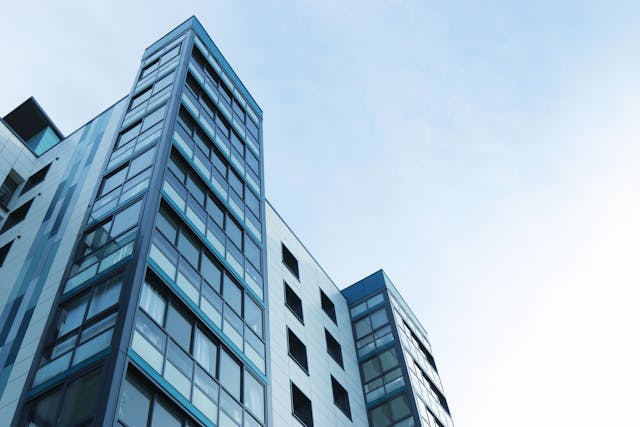
A building’s exterior speaks volumes about the business within. Whether it’s a storefront, an office complex, or a warehouse, first impressions start long before clients step inside. Clean, well-designed, and functional exterior spaces communicate professionalism, stability, and attention to detail, qualities that attract customers and boost brand perception.
Curb appeal is more than aesthetics; it’s a reflection of a company’s commitment to quality and its willingness to invest in the customer experience. Businesses that upgrade their exterior environments often see measurable returns through higher customer engagement, increased property value, and improved employee satisfaction.
Enhancing Roof Quality and Structural Integrity
Few exterior features influence a building’s look and function as much as the roof. An outdated or damaged roof can detract from even the most attractive property design. Beyond aesthetics, it affects safety, insulation, and long-term energy efficiency. Working with experienced commercial roofers ensures that repairs, replacements, or restorations align with both visual goals and performance standards. Modern roofing materials are designed to combine style with functionality.
Reflective coatings and energy-efficient membranes help regulate indoor temperatures, reducing cooling costs and creating a more sustainable structure. Flat or low-slope roofs often benefit from specialized waterproofing systems that prevent leaks and extend service life.
Roofing design can elevate visual appeal. Businesses may choose architectural shingles, standing-seam metal panels, or green roofing systems that incorporate vegetation for environmental and aesthetic benefits. A well-maintained, attractive roof signals reliability and professionalism to visitors and clients alike.
Refreshing Facades and Exterior Walls
The building facade serves as a focal point that frames the entire property. Faded paint, cracked siding, or worn materials can instantly diminish the perception of quality. A professional exterior renovation can breathe new life into a structure by updating finishes, color schemes, and architectural details.
Repainting with modern, weather-resistant coatings improves appearance and protects against corrosion and moisture damage. For older buildings, replacing outdated siding with contemporary materials like fiber cement or aluminum composite panels can dramatically enhance visual impact. These materials resist fading and require less maintenance, offering both style and longevity.
Businesses can incorporate texture and color contrasts to highlight architectural features. Neutral tones paired with accent colors around entrances or windows create a balanced and inviting aesthetic. Upgraded lighting fixtures positioned to illuminate the facade at night reinforce visibility and security while adding elegance.
Improving Walkways and Entry Points
Entrances are key points of interaction between a business and its visitors. Cracked pavement, uneven surfaces, or inadequate lighting can create poor impressions and safety concerns. Upgrading pathways and entry zones with modern paving materials such as stamped concrete, pavers, or decorative stone adds visual appeal and enhances functionality.
Accessibility should be a primary focus. Smooth transitions, ramps, and clear directional signage ensure that all visitors can navigate the property easily. Installing automatic doors, weatherproof mats, and updated canopies enhances both appearance and convenience.
Landscaping around entry points completes the transformation. Strategically placed planters, seasonal greenery, and outdoor seating areas invite engagement and soften the look. Regular maintenance, such as trimming, sweeping, and debris removal, keeps the space clean and welcoming year-round.
Incorporating Sustainable and Energy-Efficient Features
Sustainability is no longer optional for modern businesses; it’s a competitive advantage. Green exterior upgrades improve efficiency, reduce long-term costs, and demonstrate corporate responsibility. LED exterior lighting systems, for instance, offer significant energy savings while providing bright, even illumination for signage, parking lots, and walkways.
Installing solar panels or solar-powered lighting can further reduce operational expenses. Water-efficient landscaping designs that use native plants and drip irrigation systems conserve resources and require less maintenance. Even small changes, like replacing asphalt with permeable paving, can enhance drainage and environmental performance.
Energy-efficient windows and insulation upgrades improve comfort and reduce reliance on HVAC systems. Together, these changes make the property more environmentally friendly while reinforcing a forward-thinking brand image.
Maximizing Signage and Branding Opportunities
Exterior signage is one of the most powerful tools for reinforcing brand identity. Outdated, faded, or poorly positioned signs can confuse customers and weaken a company’s visual impact. Investing in new signage ensures visibility day and night.
Placement matters as much as design. Signs should be easy to read from a distance and complement the building’s architecture. Using brand colors, clean typography, and consistent logos strengthens recognition and communicates professionalism.
Upgrading Parking and Outdoor Utility Areas
A well-organized parking area contributes directly to positive first impressions. Clear markings, smooth surfaces, and proper lighting improve safety and make navigation easier for customers and employees. Businesses can enhance these spaces further with covered walkways, charging stations for electric vehicles, and designated areas for bikes or deliveries.
Drainage systems should be checked and updated as needed to prevent flooding or pooling water after heavy rain. Adding greenery between parking rows softens the visual impact of large paved areas and supports sustainability goals.
By treating the exterior as an extension of the brand experience, companies can attract new clients, inspire employee pride, and position themselves as leaders in their industry, all while increasing the property’s value and longevity.