
External Storing Rooms Explained: Everything You Need to Know
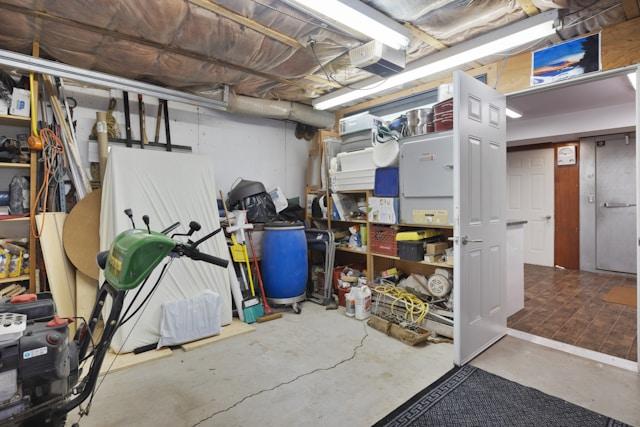
People often find themselves surrounded by more belongings than their homes can comfortably hold. Whether it’s furniture from a move, seasonal equipment, or sentimental keepsakes, the need for extra space arises naturally. External storage rooms provide a practical solution for those who value organization and security without sacrificing convenience.
Understanding how storage facilities operate helps you choose the right option for your needs. From size and security to pricing and access, each factor plays an important role in finding the perfect fit. The right storage plan creates breathing room at home while keeping your possessions safe and accessible.
What External Storing Rooms Are
External storing rooms refer to secure spaces that individuals or businesses rent to keep their belongings outside of their primary location. These rooms come in a range of sizes, from small lockers to large units that can hold vehicles or business inventory.
Facilities design these spaces to protect items from weather, pests, and unauthorized access. Modern storage centers provide climate-controlled units that maintain consistent temperature and humidity. This feature prevents damage to wood, electronics, and delicate fabrics.
External storage suits a wide range of users. Homeowners use it to hold items during renovations or transitions, while small businesses rely on it for extra inventory or equipment. Students often turn to short-term storage during breaks, making it a flexible service that adapts to many lifestyles. People who want a combination of convenience and accessibility can explore Liffey Valley storage, which offers clean, secure, and easily accessible units. The location’s modern setup ensures peace of mind while providing flexible rental terms for individuals and businesses alike. Having a nearby storage option means you can declutter your living or working space without losing access to what matters most.
A tidy living area promotes focus and comfort. Reducing clutter creates a more functional environment while freeing up space for daily use.
How to Choose the Right Size
Selecting the correct unit size ensures you pay only for the space you need. Facilities usually provide guides or visual tools that help estimate how much each unit can hold.
A small unit often accommodates boxes, seasonal décor, or small furniture. Medium units fit apartment contents, while larger units can store full household items, appliances, or office inventory.
Stacking items vertically maximizes storage use. Using shelving units and uniform boxes keeps everything organized and easy to access. Labeling containers clearly prevents confusion when retrieving items.
When in doubt, opt for a slightly larger space to allow movement inside the unit. Cramped storage makes it difficult to rearrange or find items later. Choosing an organized setup saves time and prevents unnecessary stress.
Security and Climate Control Features
Security remains a major priority for all storage users. Reputable facilities invest in surveillance cameras, gated entry, and individual unit locks. Some provide digital access systems, allowing you to monitor and control entry through a mobile device.
Staff presence on-site further increases safety. Many centers perform routine checks to ensure locks and alarm systems function correctly. Customers can rest easy knowing their belongings remain protected.
Climate control adds another layer of protection. Fluctuating temperature and humidity cause significant damage to delicate materials such as artwork, electronics, and documents. Maintaining steady conditions keeps these items in good shape throughout storage.
Lighting and cleanliness also affect safety and usability. Bright, well-maintained corridors reduce the risk of accidents and make moving items easier. Clean facilities prevent mold, pests, and odors, keeping your possessions fresh and ready for use.
Pricing and Contract Considerations
Understanding pricing helps you budget effectively. Most storage facilities offer monthly rates based on size, location, and climate features. Some include discounts for long-term commitments, while others allow flexible short-term rentals.
Before signing, review the contract carefully. Pay attention to renewal policies, late payment fees, and access restrictions. Transparency ensures there are no surprises later.
Insurance provides added protection in case of theft or damage. Some facilities include coverage in their rates, while others require separate insurance. Verifying coverage details guarantees peace of mind.
A study from the Self Storage Association reported that nearly 60% of renters maintain units for longer than expected, often due to convenience or ongoing transitions. Planning your rental with flexibility in mind prevents unnecessary costs and stress.
Transparent billing systems simplify management. Automatic payments prevent missed deadlines and ensure continuous access to your belongings.
External storage rooms simplify modern living by creating space for what truly matters. They provide secure, climate-controlled solutions for personal and professional needs alike. Choosing the right size, understanding contract terms, and maintaining organization all contribute to a smooth experience.
A clean and accessible facility gives you freedom from clutter without sacrificing accessibility. Reliable locations demonstrate how practical and secure external storage can be for anyone seeking more room.
When you invest in storage thoughtfully, you gain peace of mind, flexibility, and control. A well-maintained storage system supports an uncluttered home, a focused workspace, and a balanced lifestyle.