
AI Meets Mobile: How Companies Leverage Android and AIOps for Smarter User Experiences
Mobile devices are becoming smarter with every tap. Thanks to AI and AIOps, Android apps can now predict what users need, fix issues before they even notice them, and create seamless, personalized experiences.
This isn’t a distant tech dream but something that’s happening right now, transforming the way companies design and deliver mobile services. From streamlining performance to enhancing customer engagement, AI is quietly rewriting the rules of mobile interaction.
In this article, we’ll explore how businesses are using Android and AIOps together to build apps that think, adapt, and keep users coming back.
Revolutionary AI Applications Transforming Mobile Experiences
Modern companies are deploying sophisticated artificial intelligence to create mobile apps that think, learn, and adapt in real-time.
Intelligent Voice Assistants Taking Center Stage
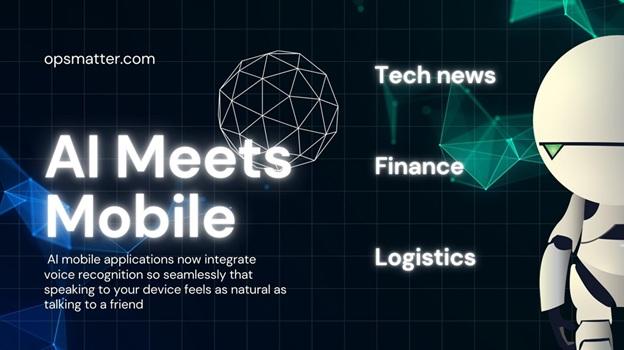
Voice technology has exploded across mobile platforms, with 97% of mobile users are using AI-powered voice assistants. This widespread adoption shows how quickly people embrace tools that make their phones smarter and more intuitive. AI mobile applications now integrate voice recognition so seamlessly that speaking to your device feels as natural as talking to a friend.
Companies like Google and Amazon have pushed this technology beyond simple commands. Their assistants understand context, remember previous conversations, and can handle complex multi-step requests. This is convenient and also transforms how people interact with technology daily.
Real-Time Personalization Engines
According to the latest Tech news, companies are rapidly advancing Android OS powered experiences. These systems analyze how users interact with their Android devices—from favorite apps to screen time and typing habits—to build personalized profiles in mere minutes. Such innovations help deliver tailored recommendations and smarter app features, with popular platforms like Netflix’s mobile app leading the way in user-centric AI personalization.
It doesn't just recommend movies, but also adjusts thumbnail images, reorders categories, and even changes preview videos based on what it knows about your viewing habits. The result is an Android user experience that feels custom-built for each user.
Building on these personalized foundations, companies need robust backend systems to support these intelligent features at scale.
AIOps Powers Behind-the-Scenes Mobile Performance
While users see the smart features, AIOps in mobile systems work tirelessly behind the scenes to keep everything running smoothly.
Predictive Performance Monitoring
Companies are implementing AI systems that spot problems before users ever notice them. These tools analyze millions of data points per second, looking for patterns that indicate potential crashes, slowdowns, or security issues.
Spotify's mobile platform uses AIOps to predict when users might experience buffering issues. The system automatically adjusts streaming quality, preloads content, or switches to cached songs, all before the user realizes there was ever a problem. This proactive approach keeps users happy and reduces support tickets dramatically.
Automated Resource Management
Smart mobile technology now includes AI systems that manage device resources dynamically. Battery life, processing power, and memory allocation all get optimized automatically based on usage patterns and current needs.
Samsung's latest Android devices demonstrate this beautifully. Their AI learns which apps you use most frequently and ensures they're always ready to launch instantly, while less-used apps get moved to low-power states.
Users experience faster performance without thinking about the complex resource management happening in the background. These backend improvements create the foundation for even more advanced technological implementations.
Smart Technologies Reshaping Android Development
Forward-thinking companies are embedding AI capabilities directly into their development processes and app architectures. As the mobile landscape evolves rapidly, businesses are turning to innovative android app development solutions to stay ahead of the competition. These cutting-edge approaches combine machine learning, automation, and smart design to deliver apps that are faster, smarter, and more intuitive than ever before.
Edge Computing Integration
Mobile devices are becoming powerful enough to run AI models locally, reducing dependence on cloud connections. This shift enables faster responses and better privacy protection since sensitive data never leaves the device.
Google's Pixel phones showcase this approach with their camera AI. Photo processing happens instantly on the device, delivering professional-quality results without uploading images to remote servers. Users get better photos faster while maintaining complete privacy over their memories.
Advanced Analytics Implementation
Companies are discovering that AI can reveal user behavior patterns that traditional analytics miss completely. By 2030, AI is projected to contribute $15.7 trillion to the global economy, and much of this value will come from insights that help companies serve customers better.
These analytics go beyond simple usage statistics. They identify emotional states, predict future needs, and suggest improvements that users didn't even know they wanted. The most successful companies use these insights to refine their offerings continuously.
This intelligence gathering sets the stage for performance improvements that would be impossible without AI assistance.
Performance Optimization Through AI Innovation
The most exciting developments happen when companies focus on using AI to optimize mobile performance in ways that directly benefit users.
Intelligent Caching Systems
Modern apps predict which content users will want next and prepare it in advance. This might sound simple, but the AI systems making these predictions are incredibly sophisticated.
YouTube's mobile app demonstrates this perfectly. It caches videos based on your viewing history, the time of day, your location, and even trending topics in your area. Users experience instant video startup times because the AI correctly guessed what they'd want to watch.
Behavioral Pattern Analysis
Companies are learning to read the subtle signals in how users interact with their apps. Hesitation before tapping a button might indicate a confusing design. Rapid scrolling could suggest content isn't relevant. Quick app switching might mean the current app isn't meeting user needs.
This behavioral analysis enables apps to adapt their interfaces in real-time, making them easier and more enjoyable to use. The most successful implementations happen so smoothly that users never realize the app is changing to accommodate their preferences.
Common Questions About AI and Mobile Technology
1. How do AI mobile applications protect user privacy while personalizing experiences?
Modern AI systems use techniques like federated learning and on-device processing to personalize without exposing sensitive data to external servers or third parties.
2. What makes AIOps essential for mobile app performance?
AIOps automatically detects and resolves performance issues before users experience them, ensuring consistent app quality across diverse Android devices and network conditions.
3. Can small businesses benefit from implementing AI in their mobile apps?
Yes, cloud-based AI services and pre-built models make intelligent features accessible to companies of all sizes without requiring extensive technical expertise.
The Future of Intelligent Mobile Experiences
Companies that embrace AI and AIOps today are positioning themselves for tomorrow's mobile landscape. The transformation from reactive to predictive technology represents a fundamental shift in how we think about mobile experiences. Users increasingly expect their devices to understand and anticipate their needs, and companies delivering on these expectations will build stronger relationships with their customers. The most exciting developments are still ahead of us, but the foundation being built today will determine which companies lead the intelligent mobile revolution.