
6 Signs That Indicate Your Commercial Roof Needs Immediate Repair
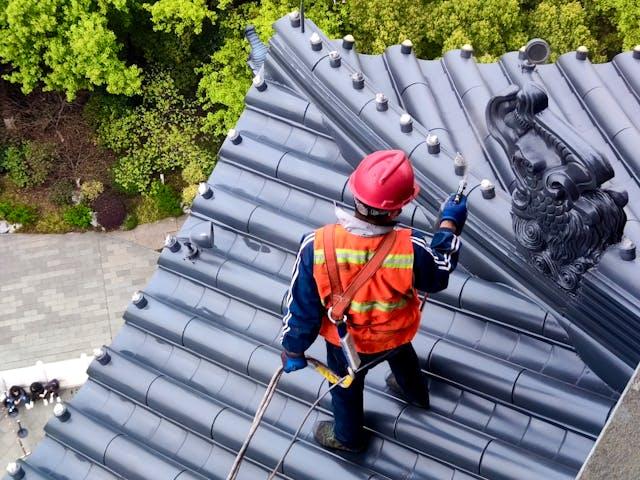
A commercial roof is one of the most critical components of a business facility. It protects the building, employees, and valuable assets from harsh weather conditions. However, even the most durable roofing systems are not immune to wear and tear. Neglecting minor roofing problems can lead to costly repairs or premature roof replacements. Business owners and property managers should be proactive in identifying early warning signs that signal potential damage. Addressing these issues promptly ensures the safety of the building and prevents financial setbacks caused by structural deterioration.
Water Leaks and Stains on Ceilings
Water leaks are one of the most obvious signs that a commercial roof requires immediate attention. Even a small leak can escalate into significant damage if left unaddressed. Pooled water, damp spots, or visible stains on ceilings and walls often indicate roof deterioration. These signs may be caused by punctures, aging materials, or faulty drainage systems.
Ignoring leaks can lead to mold growth, compromised insulation, and weakened structural integrity. Over time, moisture buildup can damage electrical systems and create safety hazards for occupants. Regular inspections and prompt repairs help prevent minor leaks from developing into costly water damage issues.
Blistering and Bubbling on the Roof Surface
Blisters or bubbles on a commercial roof surface often indicate trapped moisture or air pockets beneath the roofing material. These formations weaken the protective layers and reduce the roof’s ability to withstand environmental stressors.
Blistering is particularly common in flat and low-slope roofing systems, where water retention can accelerate material deterioration. If left untreated, these weakened areas may rupture, exposing the building to further water infiltration. Repairing these defects early prevents extensive damage and extends the lifespan of the roof.
Cracks, Tears, or Punctures in Roofing Materials
Visible cracks, tears, or punctures in roofing materials signal structural vulnerabilities that require immediate attention. These defects are often caused by weather exposure, foot traffic, or the installation of rooftop equipment such as HVAC systems.
Small openings in the roofing membrane can allow water to seep in, leading to leaks and potential mold issues. The problem becomes more severe during extreme temperature fluctuations, as materials expand and contract, worsening existing damage, which is why finding commercial roof repair services is a must. Conducting routine inspections and sealing damaged areas helps prevent extensive structural deterioration.
Sagging or Uneven Roof Areas
A commercial roof should maintain a consistent level surface. Any noticeable sagging or uneven areas indicate potential structural issues. Roof sagging is often a sign of underlying problems such as water damage, deteriorated insulation, or weakened support beams.
Ponding water is a major contributor to sagging. If drainage systems are ineffective, standing water accumulates, increasing the roof’s load beyond its intended capacity. Over time, the weight can cause materials to break down, leading to dangerous structural failures. Immediate intervention is necessary to reinforce weakened sections and restore the roof’s integrity.
Increased Energy Bills and Poor Insulation Performance
An unexpected rise in energy costs can sometimes be linked to a failing commercial roof. If insulation materials become compromised due to moisture infiltration, they lose their effectiveness in regulating indoor temperatures. This forces HVAC systems to work harder, leading to higher utility bills.
Damaged roofing materials can also contribute to heat loss during colder months and excessive heat absorption during summer. Business owners who notice fluctuating indoor temperatures should have their roofing system evaluated. Addressing insulation issues and repairing damaged sections improve energy efficiency and reduce long-term operational costs.
Mold, Mildew, and Unpleasant Odors
Mold and mildew growth inside a commercial building is often a symptom of prolonged moisture exposure. Leaky roofs create damp conditions that allow mold spores to thrive, leading to potential health risks for employees and customers. Unpleasant odors, persistent humidity, or visible mold patches on walls and ceilings indicate that moisture is accumulating in hidden areas.
Unchecked mold growth can degrade indoor air quality and contribute to respiratory issues among building occupants. Roof repairs, combined with proper ventilation and moisture control, help prevent mold-related health concerns and protect the building’s structural components.
Delaying necessary roof repairs can lead to more extensive and expensive problems in the future. A minor leak can quickly evolve into widespread water damage, requiring full roof replacements instead of simple repairs. Regular inspections and preventive maintenance extend the lifespan of a commercial roofing system and help avoid unexpected disruptions to business operations.
Addressing roofing issues promptly not only protects the building but also maintains a safe and comfortable environment for employees and customers. A well-maintained commercial roof contributes to the overall longevity and efficiency of a business facility, making it a worthwhile investment in long-term operational success.