Operations | Monitoring | ITSM | DevOps | Cloud

Downsampling and Exporting Stackdriver Monitoring Data

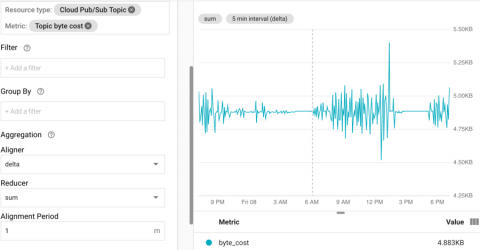
Stackdriver Monitoring contains a wealth of information about cloud resource usage, both for Google Cloud Platform (GCP) and and other sources. This post will explain how to use the Stackdriver Monitoring API to read, downsample, and export data from Stackdriver to BigQuery. Pub/Sub metrics will be used to demonstrate this.

The service mesh era: Using Istio and Stackdriver to build an SRE service

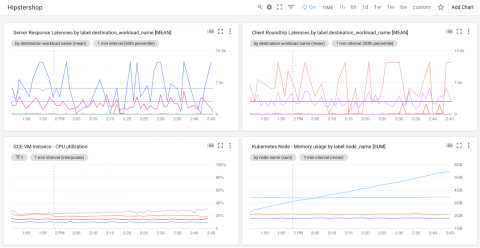
Just to recap, so far our ongoing series about the Istio service mesh we’ve talked about the benefits of using a service mesh, using Istio for application deployments and traffic management, and how Istio helps you achieve your security goals. In today’s installment, we’re going to dig further into monitoring, tracing, and service-level objectives.

Stackdriver usage and costs: a guide to understand and optimize spending

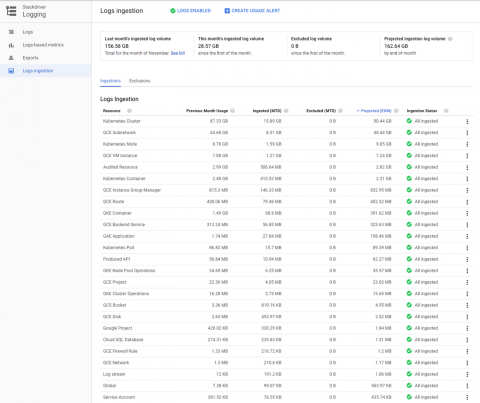
Google Stackdriver is a cloud-based managed services platform designed to give you visibility into app and infrastructure services. Stackdriver’s monitoring, logging and APM tools make it easy to navigate between data sources to view performance details and find the root causes of any issues.

Stackdriver Profiler adds more languages and new analysis features

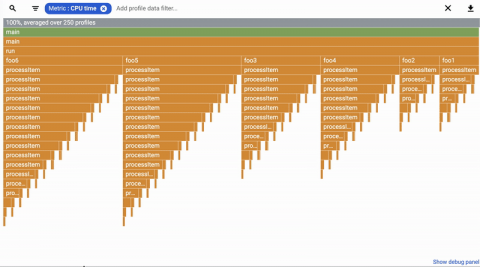
Historically, cloud developers have had limited visibility into the impact of their code changes. Profiling non-production deployments doesn’t yield useful results, and profiling tools used in production are typically expensive, with a performance impact that means that they can only be used briefly and on a small portion of the overall code base.

Extending Stackdriver to on-prem with the new BindPlane integration

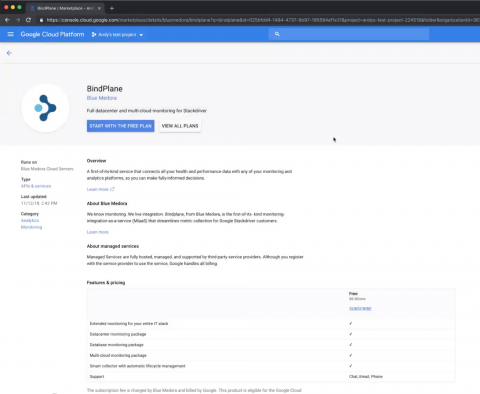
We introduced our partnership with Blue Medora last year, and explained in a blog post how it extends Stackdriver’s capabilities. We’re pleased to announce that you can now join our new offering for Blue Medora. If you’re using Stackdriver to monitor your Google Cloud Platform (GCP) or Amazon Web Services (AWS) resources, you can now extend your observability to on-prem infrastructure, Microsoft Azure, databases, hardware devices and more.

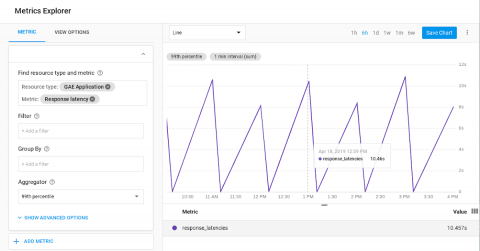
Stackdriver tips and tricks: Understanding metrics and building charts

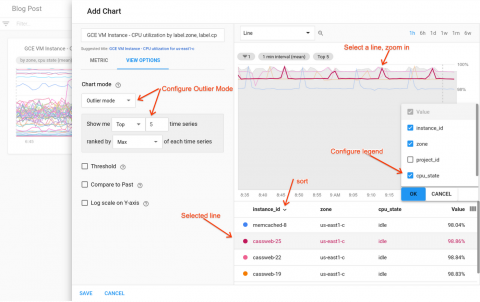
Seeing what’s going on with your IT infrastructure, applications and services has always been critical to the success of modern businesses’ day-to-day operations. Google Stackdriver monitoring provides out-of-the-box visualizations and insights for Google Cloud Platform (GCP) users so you can easily understand your systems.

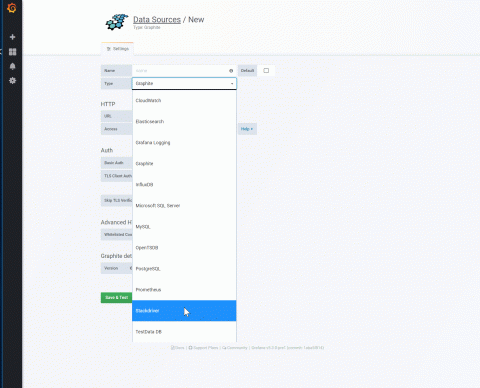
Introducing Stackdriver as a data source for Grafana

It is not uncommon to have multiple monitoring solutions for IT infrastructure these days as distributed architectures take hold for many enterprises. We often hear from Google Cloud Platform (GCP) customers that they use Stackdriver to monitor resources as well as Grafana and Prometheus for container monitoring. We’ve heard lots of requests from customers to be able to view Stackdriver data in Grafana effortlessly.

Building a more reliable infrastructure with new Stackdriver tools and partners

Every software organization faces challenges in keeping applications available and running reliably. At Google, we’ve developed and practiced a discipline known as Site Reliability Engineering (SRE). Following SRE practices lets us build and operate services reliably for our billions of users. Google has about 2,500 Site Reliability Engineers who support both internal and external services.

Using Stackdriver Workspaces to help manage your hybrid and multicloud environment

At Google, we believe strongly in an open cloud. We’re continually working to bring you tools for understanding how your applications are performing, whether they run in different projects, organizations, clouds, or even on prem. Monitoring tools like Stackdriver Kubernetes Monitoring, OpenCensus, and Stackdriver APM are designed to help you get visibility into your workloads wherever they run—on Google Cloud Platform (GCP), on-premises or on another cloud platform.

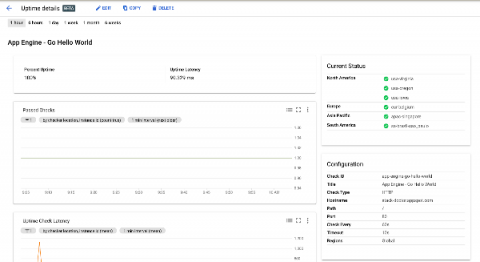
Drilling down into Stackdriver Service Monitoring

If you’re responsible for application performance and availability, you know how hard it can be to see it through the eyes of your customers and end users. We think that’s really going to change with last week’s introduction of Stackdriver Service Monitoring, a new tool for monitoring how your customers perceive your applications, and that then lets you drill down to the underlying infrastructure when there’s a problem.