Operations | Monitoring | ITSM | DevOps | Cloud

The NIS2 Directive: What You Need to Know

The last few decades have seen a remarkable evolution in the technology landscape. Widespread growth has led to a spike in cybersecurity crime, translating into increased regulations globally. In 2016, the EU established the Network and Information Security (NIS) directive as its first comprehensive cybersecurity directive. Now, the EU is updating the directive in response to evolving cybersecurity challenges.
Track Errors in Phoenix for Elixir with AppSignal

AppSignal is a powerful error tracking and performance monitoring tool that can help you maintain reliability and speed in your Elixir applications. In this tutorial, the first of a two-part series, you'll learn how to integrate AppSignal into your Elixir application, configure it for error tracking, interpret error reports, and leverage AppSignal's features to debug and resolve issues.

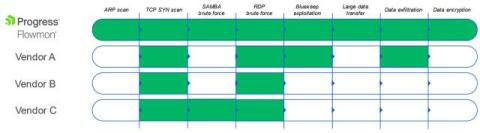
Catch Cyberattacks Through Reliable Network Detection

In today’s rapidly evolving cyberthreat landscape, organizations require network detection solutions that help identify and mitigate threats before significant damage happens. Among the options available on the Network Detection and Response (NDR) market, Progress Flowmon Anomaly Detection System (ADS) stands out for its unparalleled ability to detect threats throughout every stage of an attack.

Autonomic IT in Financial Services: Elevate IT and Deliver a Resilient Customer Experience

Financial services firms face a multitude of complex IT challenges. Banking is a 24×7 affair, and firms must ensure their infrastructure is “always on” — consistently running at the highest efficiency and reliability. Banking customers also expect frictionless experiences across mobile and digital banking services. Slow application response times and service outages are simply not an option. Commercial banking is also competitive.

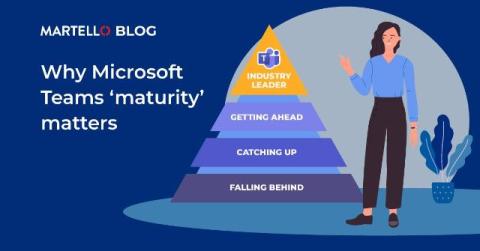
Why Microsoft Teams 'Maturity' Matters

Maturity models have proved to be powerful tools for assessing performance and driving improvement in a wide range of industries and disciplines from cybersecurity and quality control to project management and HR. With hybrid and remote work here to stay, organizations now have a new kind of maturity to aspire to, one that has a significant and direct impact on business results: virtual collaboration maturity.

Align ServiceOps with incident context to meet ITOps goals

ServiceOps is a technology-enabled approach that unifies IT operations and IT service management (ITSM) teams to improve incident management. In a recent survey of more than 400 global IT leaders by Enterprise Management Associates (EMA), 96% of respondents reported positive results from implementing the approach. Adoption rates are high: 75% have either an active effort or a formal initiative to streamline collaboration between ITSM and ITOps teams.

Recapping DASH 2024

DASH 2024 was our biggest event yet! Over two days, thousands from the Datadog community gathered at North Javits in New York City for an impactful experience. The 2024 keynote featured numerous new product launches and updates, but there was much more to enjoy beyond this speech. Attendees got to experience breakout sessions, workshops, certification exams, one-on-one Datadog consultations, and a bustling expo hall.

Why Every Engineering Team Should Embrace AWS Graviton4

Two years ago, we shared our experiences with adopting AWS Graviton3 and our enthusiasm for the future of AWS Graviton and Arm. Once again, we're privileged to share our experiences as a launch customer of the Amazon EC2 R8g instances powered by AWS Graviton4, the newest generation of AWS Graviton processors. This blog elaborates our Graviton4 preview results including detailed performance data. We've since scaled up our Graviton4 tests with no visible impact to our customers.

Intelligent Health Checks: one-click observability for reliability tests

Reliability testing and observability are similar in one important way: engineering teams know they should be doing it, but they’re not sure how to start, or they don’t have the right resources, or they need to focus on competing priorities like feature development and incident response. In an ideal world, reliability and observability would be automated processes that configure, monitor, and run themselves.