Operations | Monitoring | ITSM | DevOps | Cloud

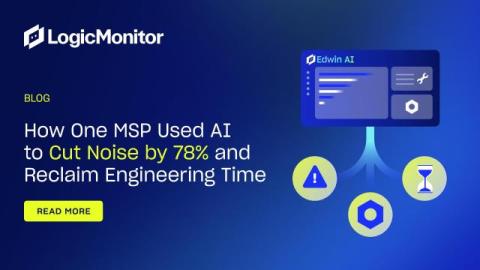
How One MSP Used AI to Cut Noise by 78% and Reclaim Engineering Time

An operations team at one of the Asia-Pacific’s largest managed service providers (MSPs) was drowning in their own success. Years of investment in monitoring tools and automation had created comprehensive visibility—and comprehensive chaos. Engineers opened dashboards each morning to find thousands of alerts waiting, with critical incidents buried somewhere inside. The scale of the problem was overwhelming their capacity to respond effectively.

Edwin AI Turns One: What a Year of Agentic AIOps Looks Like

Twelve months ago, we shipped Edwin AI with a specific hypothesis that AI agents could handle the operational drudgery slowing down ITOps teams. It was a deliberate bet against the cautious consensus that AI should act only as a copilot, limited to offering suggestions. Most AIOps tools still follow that script. They’re stuck surfacing insights and stop short of action. Edwin was built differently. It was designed to make decisions, correlate events, and execute fixes.

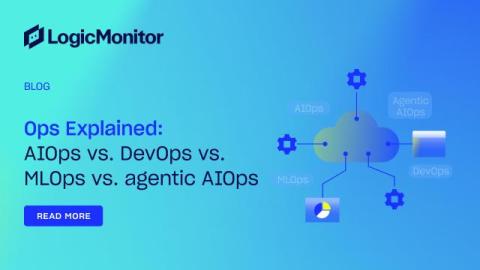
Ops Explained: AIOps vs. DevOps vs. MLOps vs. Agentic AIOps

There’s a common misconception in IT operations that mastering DevOps, AIOps, or MLOps means you’re “fully modern.” But these aren’t checkpoints on a single journey to automation. DevOps, MLOps, and AIOps solve different problems for different teams—and they operate on different layers of the technology stack. They’re not stages of maturity. They’re parallel areas that sometimes interact, but serve separate needs.

Built for Impact: What Happens When LogicMonitor Edwin AI Meets Infosys AIOps Insights

Today’s IT environments span legacy infrastructure, multiple cloud platforms, and edge systems—each producing fragmented data, inconsistent signals, and hidden points of failure. This scale brings opportunity, but also operational strain: fragmented visibility, overwhelming alert noise, and slower time to resolution. With good reason, public and private sector organizations alike are moving beyond basic visibility, demanding hybrid observability that’s context-aware and action-oriented.

You Can Build Your Own AI Agent for ITOps-But Should You?

Most internal AI projects for IT operations next exit pilot. Budgets stretch, priorities shift, key hires fall through, and what started as a strategic initiative turns into a maintenance burden—or worse, shelfware. Not because the teams lacked vision. But because building a production-grade AI agent is an open-ended commitment. It’s not just model tuning or pipeline orchestration. It’s everything: architecture, integrations, testing frameworks, feedback loops, governance, compliance.

Inside the Wins: Real Stories of Transforming Azure Observability into Business Value

Azure environments are growing fast, and so are the challenges of monitoring them at scale. In this blog, part of our Azure Monitoring series, we look at how real ITOps and CloudOps teams are moving beyond Azure Monitor to achieve hybrid visibility, faster troubleshooting, and better business outcomes. These real-life customer stories show what’s possible when observability becomes operational. Want the full picture? Explore the rest of the series.