Operations | Monitoring | ITSM | DevOps | Cloud

Podman vs Docker 2026: Security, Performance & Which to Choose

When it comes to containerization technologies, Podman and Docker are the two giants that often come up in conversation. Both have revolutionized how we build, deploy, and manage containers, but what sets them apart? In this blog, we'll dive deep into a side-by-side comparison of Podman and Docker. We'll cover everything from architecture to security, performance, and compatibility.

Datadog Pricing 2026: Full Cost Breakdown + How to Save 40-90%

When it comes to monitoring and observability tools, Datadog is often one of the first names that comes to mind. But while Datadog’s features are widely discussed, its pricing often remains a topic of confusion. How much does Datadog cost, and what factors influence your bill? This guide breaks down Datadog pricing to help you better understand its structure, hidden nuances, and whether it’s the right fit for your needs.

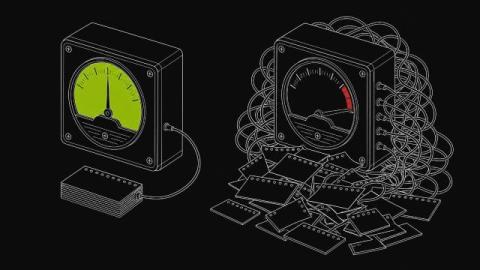
Why High-Cardinality Metrics Break Everything

High-cardinality metrics are one of those ideas that sound obviously right - until you try to use them in production. In theory, they promise precision. Instead of averages and rollups, you get specificity: per-request, per-userid, per-container, per-feature insights. The kind of detail we all immediately want when something is on fire. And then things start breaking. Not immediately. Not loudly.But quietly.

How to Handle Cloud Monitoring Overload?

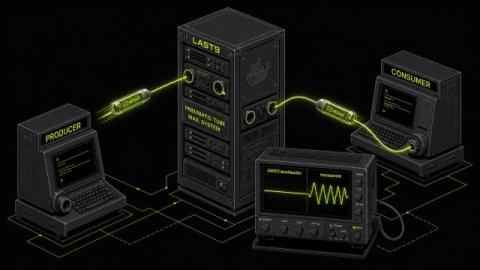
Reduce alert noise by 70% through intelligent aggregation, clear ownership boundaries, and filtering metrics that don't map to user-facing issues. Monitoring starts with a straightforward goal: understand your system's health and identify issues before users notice them. You set up metrics, create dashboards, and configure some alerts. At first, it works well. Over time, your stack gets bigger and more complicated. New services get added.