Operations | Monitoring | ITSM | DevOps | Cloud

[Webinar] 5 Things to Consider When Migrating Databases to Kubernetes with Komodor & Ondat

Kubernetes is eating the world...at least the world of modern software engineering. Besides their applications, most businesses consider their data as the holy grail. It is key to the value they deliver. As they progress through application modernization, Kubernetes is the natural foundation to support their effort. But where should the data go? Is Kubernetes safe enough to take care of it? How to prepare for DB related incidents in an everchanging environment?

Kubernetes and the Enterprise

As more organizations transition to cloud-native applications in the enterprise, Kubernetes and its APIs are laying the foundation for a next era of distributed computing. But despite its growing adoption in the enterprise, Kubernetes remains complex to implement and manage effectively. This topic spotlight highlights the most common challenges of Kubernetes in the enterprise and offers up some recommendations on how to make Kubernetes adoption smooth and effective to drive productivity and business value.

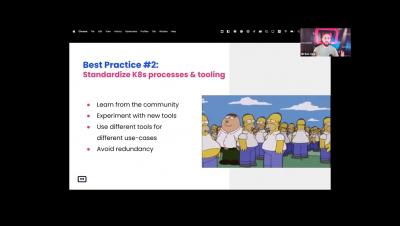
Five Kubernetes Deployment Best Practices (Part 2)

In our previous post , we focused on tips for making the transition and migration to Kubernetes a smoother, and less painful process. In this post, we’d like to now provide some tips from the operational trenches for future-proofing your Kubernetes operation, after making the move. Kubernetes, as a software-driven system, has many benefits for engineers and DevOps teams to take advantage of.

Four Best Practices to Migrate to Kubernetes (Part 1)

Kubernetes has evolved into the leading platform to build your microservices systems. Given its increased maturity over the past few years as well as the robust ecosystem which has been built around its technology, Kubernetes has become more production-ready than ever. Nevertheless, it still has its own unique set of challenges. In particular, it brings a lot of complexity into play with its adoption.

Komodor Workflows: Automated Troubleshooting at the Speed of WHOOSH!

Today, just in time for Kubecon 2021, I am happy to announce the beta availability of Workflows. For me, this is our most exciting product announcement to date – a completely new capability that expands the definition of what Komodor is, as it charts the course for its next evolution. Let me start with the feature first. In a nutshell, Workflows is a series of smart algorithms that operate within the “depths” of Komodor.

Announcing Workflows - Fix k8s issues on the fly

Meet "Workflow" from Komodor, the feature that automates troubleshooting common errors in Kubernetes. Leveraging Komodor’s change intelligence capabilities, Workflow's smart algorithm automatically detects Kubernetes issues and responds with a series of checks that quickly pinpoint its root cause. Not stopping there, Komodor uses the information to provide made-to-measure instruction for remediation, turning troubleshooting into a fast and effortless experience for dev and ops.

Best Practices Guide for Kubernetes Labels and Annotations

Kubernetes is the de facto container-management technology in the cloud world due to its scalability and reliability. It also provides a very flexible and developer-friendly API, which is the foundation of its control plane. The effectiveness of the Kubernetes API comes from how it manages the Kubernetes resources via metadata: labels and annotations. Metadata is essential for grouping resources, redirecting requests and managing deployments.

The Aftermath of the Facebook 6-Hour Outage

Less than 24 hours ago, the world came to a “social standstill” as Facebook, and its sister companies, WhatsApp and Instagram, became unavailable, leaving its 3.5 billion users in a flap. The outage, which lasted almost 6 hours, shut off access for users and businesses all over the world and caused ripple effects that we will likely continue to see in the immediate (and perhaps not-so-immediate) future.