Operations | Monitoring | ITSM | DevOps | Cloud

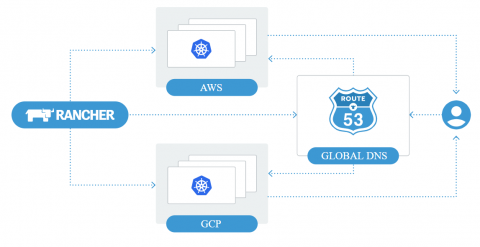
Introducing Multi-Cluster Applications in Rancher 2.2 Preview 2

I’m excited to announce the release of Rancher 2.2 Preview 2, which contains a number of powerful features for day two operations on Kubernetes clusters. Please visit our release page or the release notes to learn more about all of the features we shipped today. In this article I introduce one of the features: multi-cluster applications. Read on to learn how this will dramatically reduce your workload and increase the reliability of multi-cluster operations.

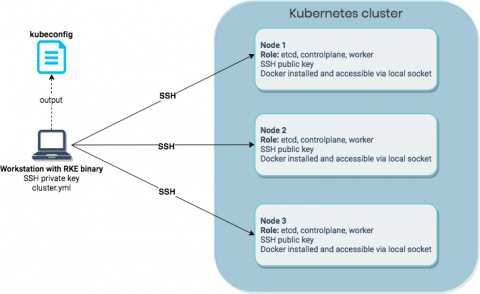
Rancher vs. RKE: What Is the Difference?

When you are using Rancher to manage your Kubernetes clusters, at some point you will encounter the terms Rancher, RKE, and custom cluster. If you are new to Rancher, it can be difficult to understand the difference between and purpose of each of these concepts. In this post, I will go over what each component is used for and how they are used together in parts of the system.

What Is Etcd and How Do You Set Up an Etcd Cluster?

Etcd is an open-source distributed key-value store created by the CoreOS team, now managed by the Cloud Native Computing Foundation. It is pronounced “et-cee-dee”, making reference to distributing the Unix “/etc” directory, where most global configuration files live, across multiple machines. It serves as the backbone of many distributed systems, providing a reliable way for storing data across a cluster of servers.

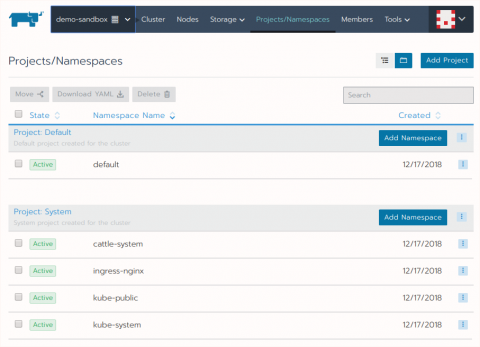
Introduction to Kubernetes Namespaces

Kubernetes clusters can manage large numbers of unrelated workloads concurrently and organizations often choose to deploy projects created by separate teams to shared clusters. Even with relatively light use, the number of deployed objects can quickly become unmanageable, slowing down operational responsiveness and increasing the chance of dangerous mistakes.

101 More Security Best Practices for Kubernetes

This article analyzes the recent CNCF article, '9 Kubernetes Security Best Practices Everyone Must Follow' and discusses how Rancher, RKE, and RancherOS satisfy these by default. I also discuss the Rancher Hardening Guide, which covers 101 more security changes that will secure your Kubernetes clusters.

Rancher

Rancher is a complete software stack for teams adopting containers. It addresses the operational and security challenges of managing multiple Kubernetes clusters, while providing DevOps teams with integrated tools for running containerized workloads.