
What is a Mastopexy and Is It the Right Choice for You?
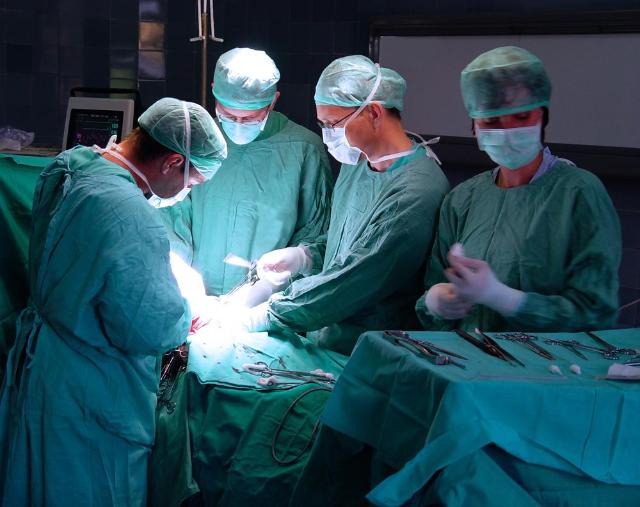
Image Source: depositphotos.com
Breast changes are a natural part of life. Whether from pregnancy, weight fluctuations, or simply the passage of time, many women find themselves considering options to restore a more youthful breast position and shape. A mastopexy, commonly known as a breast lift, is a surgical procedure designed to address sagging and reshape the breasts without necessarily changing their size. If you're researching this procedure, consulting with a qualified specialist like Dr Rebecca Wyten Plastic Surgeon can help you understand if this procedure aligns with your aesthetic goals.
Key Takeaways
- A mastopexy raises and reshapes sagging breasts without necessarily changing their size
- Various techniques exist, from minimal to more extensive approaches, depending on your specific needs
- Recovery typically takes 4-6 weeks for most normal activities, with final results visible after several months
- Costs in Australia typically range from $9,000-$15,000, with potential Medicare rebates for qualifying cases
- Choosing a qualified plastic surgeon with FRACS credentials is essential for safe, satisfactory results
What is a Mastopexy?
A mastopexy is a surgical procedure that lifts and reshapes the breasts by removing excess skin, tightening surrounding tissue, and repositioning the nipple-areola complex to a higher position. Unlike breast augmentation, which increases breast size using implants, a mastopexy focuses on improving breast shape and position without necessarily altering volume.
Common reasons women choose this procedure include:
- Post-pregnancy changes after breastfeeding
- Significant weight loss leading to decreased breast volume
- Natural ageing and gravity effects
- Genetic predisposition to breast ptosis (sagging)
Mastopexy Techniques and Approaches
Surgeons employ several incision patterns depending on the degree of correction needed:
Crescent: A small incision along the upper half of the areola - suitable for minimal sagging.
Periareolar (Donut): Circular incisions around the areola - appropriate for mild to moderate sagging.
Vertical (Lollipop): Combines a periareolar incision with a vertical line down to the breast crease - effective for moderate sagging.
Inverted-T (Anchor): Adds a horizontal incision along the breast crease to the vertical pattern - best for significant sagging.
The technique chosen depends on factors like breast size, skin elasticity, and the degree of ptosis. Some patients benefit from combining a lift with implants or fat grafting when volume enhancement is also desired.
"The ideal mastopexy technique should be customised to each patient's unique anatomy and aesthetic goals, balancing the degree of lift required with the goal of minimising visible scarring." - Dr Rebecca Wyten
Are You a Good Candidate?
Ideal candidates for mastopexy typically:
- Are in good overall health
- Maintain a stable weight
- Don't smoke (or are willing to quit before and after surgery)
- Have realistic expectations about outcomes
- Have completed their family planning (though mastopexy doesn't prevent future pregnancies)
Surgeons classify breast ptosis into grades to help determine the appropriate technique:
Grade 1 (Mild): Nipple at breast crease level
Grade 2 (Moderate): Nipple below breast crease but above lower breast tissue
Grade 3 (Severe): Nipple below breast crease and at the lowest part of the breast
If you're planning future pregnancies, you might consider delaying surgery, as pregnancy and breastfeeding can affect your results.
The Consultation Process
During your initial consultation, expect the surgeon to:
- Review your medical history
- Discuss your aesthetic goals
- Take measurements and possibly photos
- Explain suitable techniques for your situation
- Outline potential risks and complications
This is your opportunity to ask questions about the surgeon's experience, view before-and-after photos, and discuss recovery expectations. Bring a list of questions to ensure all your concerns are addressed.
Risks and Recovery
Like all surgeries, mastopexy carries some risks, including:
- Scarring (which fades but doesn't disappear completely)
- Temporary or permanent changes in nipple sensation
- Asymmetry or irregular contours
- Difficulty with breastfeeding (though many women can still breastfeed)
- Infection or poor wound healing
Recovery typically follows this timeline:
First week: Rest, limited arm movement, prescribed pain medication
1-2 weeks: Return to light activities and possibly work
4-6 weeks: Resume most normal activities, including gentle exercise
3+ months: Final results become apparent as swelling resolves
You'll need to wear a supportive surgical bra 24/7 initially, then gradually transition to normal supportive bras. Sleeping on your back is recommended for at least 4-6 weeks.
Cost Considerations in Australia
In Australia, mastopexy costs typically range from $9,000 to $15,000, depending on:
- Surgeon's experience and reputation
- Geographic location
- Complexity of the procedure
- Hospital or facility fees
- Anaesthetist fees
Medicare may provide rebates if the procedure is deemed medically necessary (such as for significant asymmetry or post-cancer reconstruction). Private health insurance might cover hospital fees in these cases, but typically not surgeon fees for purely cosmetic procedures.
Choosing Your Surgeon
When selecting a surgeon in Australia, look for:
- Fellowship of the Royal Australasian College of Surgeons (FRACS)
- Membership in the Australian Society of Plastic Surgeons
- Specialisation and extensive experience in breast procedures
- Hospital accreditation
- Clear communication style and thorough explanation of risks
- Realistic approach to expected outcomes
Review before-and-after photos of actual patients and read testimonials. Be wary of surgeons offering unusually low prices or making guarantees about perfect results.
Conclusion
A mastopexy can be a transformative procedure for women experiencing breast sagging, helping to restore a more youthful breast position and shape. However, it's a significant decision that requires careful consideration of the benefits, risks, recovery process, and costs involved. Consulting with a qualified plastic surgeon like Dr Rebecca Wyten will help you determine if a mastopexy is right for you and which technique would best achieve your aesthetic goals. Take the time to research thoroughly, ask questions, and ensure you're making a well-informed decision about your body.