
Top 4 Ways to Use Text to Voice for Clear and Engaging Audio
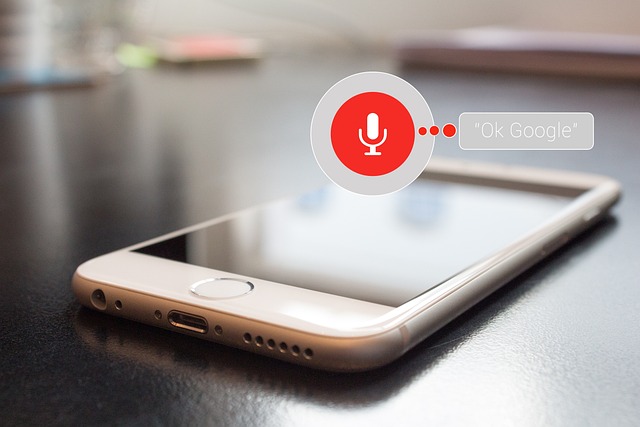
Are you looking for a better way to grab attention and keep your audience interested? Text-to-speech tools convert written content into natural voice audio in seconds. These tools are perfect for students, content creators, and anyone who wants to share ideas without recording themselves. They help you reach more people, improve focus, and make your message easier to understand.
Many still rely on plain text, but long passages can feel dull and hard to follow. With speech technology, you can turn those words into something clear, dynamic, and easy to enjoy. Keep reading to discover four simple and powerful ways to bring your text to life.
Improving Accessibility for All
Accessibility is crucial as we rely on digital platforms. Text to voice tools help break down barriers by turning written content into clear, spoken words. Accessibility tools have been proven to increase information acquisition among users with visual impairments.
Natural-sounding voice audio also boosts convenience for everyone. It lets users listen to content while driving, cooking, or doing other tasks, making it easier to stay informed without staring at a screen. The smooth, human-like delivery keeps listeners engaged and improves understanding.
Many of these tools also support multiple languages and regional accents. This makes it easier for global audiences to connect with content in a way that feels familiar. As a result, creators can reach more people, build trust, and create better user experiences.
Enhancing Presentations with Engaging Narration
Professional presentations need more than just good visuals-they need a voice that connects. Natural-sounding voice audio adds polish and energy, helping speakers deliver a smoother, more engaging message. Clear narration synced to slides keeps the audience focused and enhances understanding.
Using text to voice also makes practice easier and more productive. It lets presenters hear how their message flows, tweak the pacing, and improve clarity without starting from scratch. This tool takes pressure off the speaker, making space for confident delivery and better audience interaction.
Creating Engaging Content for Various Platforms
Content marketing plays a big role in building a strong online presence, but it can eat up time and energy. For small teams or solo creators, keeping up with content demands can be tough. That's where text to voice steps in, turning blog posts or articles into audio that's easy to share and easy to enjoy.
With natural-sounding voice audio, you can add life to your content in just a few clicks. It works well in podcasts, explainer videos, or social media clips, making everything feel more professional. People are more likely to stick around and listen, especially if the voice sounds smooth and human.
This audio format reaches listeners who prefer auditory learning. Not everyone reads articles start to finish, but many will listen while walking or driving. By giving your content a voice, you're giving your audience more ways to connect with what you create.
Facilitating Language Learning
Language learning has made big strides thanks to modern speech technology. Text to voice tools now let students hear how words are spoken, helping them improve pronunciation, tone, and flow. Hearing the right sounds makes it easier to learn difficult words and understand natural speech patterns.
Natural-sounding voice audio brings learning to life by offering examples that feel real and easy to follow. It's like having a native speaker in your pocket, ready to guide you anytime. With speech technology built into many language apps, learners can now listen, repeat, and practice as often as they need, making progress faster and more enjoyable.
Maximizing Your Use of Text to Voice Technology
To get the most out of your natural-sounding voice audio, follow a few key tips. These small adjustments can improve clarity, flow, and listener engagement. With the right approach, your audio will sound polished and support your goals effectively.
Choose the Right Software
Start by looking into well-known text to voice software with strong reviews and reliable performance. The right tool should be easy to use and offer features that match your content needs. Picking a trusted platform helps you avoid poor audio quality and gives your work a professional edge.
Customization options are key when creating natural-sounding voice audio. Good software lets you adjust voice style, tone, and speed to fit your message perfectly. This control helps your content sound clear, polished, and more engaging for your audience.
Focus on Quality Content
Before using text to voice tools, make sure your written content is clear and easy to follow. The way your words are written will directly affect how the final audio sounds. If the text is messy or confusing, the voice output will be the same.
Write in a natural, conversational tone that matches how people speak. Keep sentences simple and direct to improve flow and make the message easier to understand. A well-written script will lead to smoother, more engaging audio that holds the listener's attention.
Test Different Voices
Trying out different voices is a smart way to see what fits best with your message. Some voices may sound too formal, while others feel more friendly or relaxed. Testing a few options helps you match the tone to your audience and goal.
Different content types may need different voice styles. A product video might need a confident tone, while an educational piece could work better with a calm and clear voice. Picking the right voice makes your content more relatable and easier to enjoy.
Incorporate Pauses
Pauses may seem small, but they play a big role in how your message is received. Well-placed pauses give listeners time to process what they've just heard. This makes your audio feel smoother and easier to follow.
Using pauses also helps highlight key points and keeps the pace from feeling rushed. A short break between ideas creates a more natural rhythm, like real conversation. This simple trick can make your content sound more thoughtful and professional.
Make Your Message Heard Loud and Clear
Natural-sounding voice audio isn't just a trend-it's a smarter way to connect. It helps your content stand out, keeps listeners engaged, and makes information easier to absorb. Whether you're teaching, selling, or storytelling, voice tech brings your words to life.
Now's the time to use this tool to your advantage. Start adding clear, human-like audio to your content and watch how it changes the way people respond. It's fast, flexible, and ready to help you grow.
Want to learn more ways to level up your content? Keep reading our blog.