
Technology-Driven Solutions for Cleaner Indoor Air
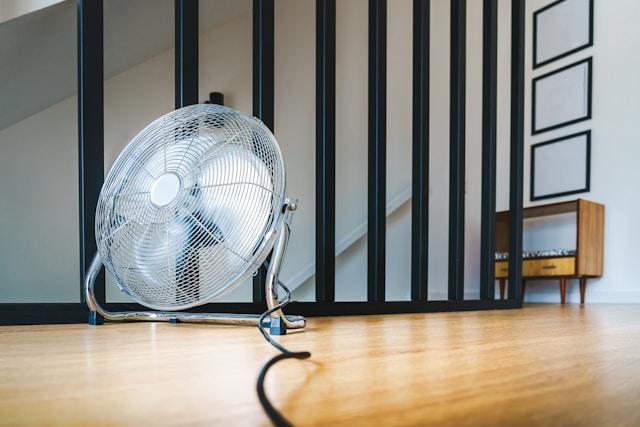
Cleaner indoor air is becoming increasingly important in our homes and workplaces. Factors such as air pollution, dust, and allergens can significantly impact the quality of the air we breathe. Thankfully, advancements in technology are making it easier than ever to improve indoor air quality, offering both health benefits and enhanced comfort for occupants. This article explores various technology-driven solutions that contribute to cleaner indoor environments, detailing their features and effectiveness.
Understanding Indoor Air Quality
Indoor air quality (IAQ) refers to how clean and healthy the air inside a building is. Poor IAQ can lead to a variety of health issues, including respiratory problems, allergic reactions, and headaches. Various pollutants affect indoor air, such as volatile organic compounds (VOCs), particulate matter, and biological contaminants like mold and bacteria.
To counter these threats, comprehensive solutions are paramount. Understanding the sources of indoor pollution is the first step toward addressing it, as it helps to pinpoint where interventions are necessary. Technologies that monitor IAQ are becoming increasingly common, allowing occupants to gain insight into their environment and make informed decisions about when to improve air quality.
Regular maintenance and timely filter changes of HVAC systems are crucial to ensure continued performance. Working with your local HVAC pros can help tailor a solution that meets your specific needs, maximizing the air quality benefits in your space. By combining monitoring technologies with professional guidance and proper maintenance, occupants can create a consistently healthier and safer indoor environment.
Air Purification Technologies
One of the most effective ways to improve indoor air quality is through air purification technologies. Various types of air purifiers are available, each utilizing different methods to remove pollutants.
HEPA (High-Efficiency Particulate Air) filters are renowned for capturing small particles, making them a popular choice for residential and commercial spaces. They can trap up to 99.97% of typical airborne contaminants, including dust, pollen, and even pet dander.
Activated carbon filters serve a dual purpose by absorbing odors and VOCs, whereas UV-C light purifiers use ultraviolet rays to neutralize bacteria and viruses. These advanced air purification systems play a vital role in maintaining healthy indoor environments.
Ventilation Systems and Their Benefits
An efficient ventilation system plays a significant role in achieving better indoor air quality. By bringing in fresh outdoor air and expelling stale indoor air, these systems reduce the buildup of indoor pollution.
Innovative designs include energy recovery ventilators (ERVs) that exchange heat and moisture between incoming and outgoing air streams, ensuring energy efficiency while maintaining healthy air exchange rates. Proper ventilation helps control humidity levels, preventing excess moisture that can lead to mold growth and other issues in homes and offices.
Utilizing smart ventilation systems can bring even further advantages. They automatically adjust airflow based on indoor conditions, ensuring optimum air quality while being energy-efficient. As technology continues to advance, the functionality and performance of ventilation systems will only improve, paving the way to smarter indoor environments.
Smart Home Integration for Air Quality Control
With the advent of the Internet of Things (IoT), smart home technology has become a game-changer in air quality management. Smart thermostats, for instance, can monitor air quality and adjust heating, ventilation, and air conditioning (HVAC) systems accordingly. These devices enhance comfort by integrating air quality data into their operational protocols, creating healthier environments for occupants.
Smart air purifiers can be remotely controlled and monitored through applications, providing users with the convenience of managing air quality from anywhere. Alerts can be set up to notify users when pollution levels rise, prompting timely intervention. Integrating these smart devices with existing HVAC systems creates a cohesive approach to managing and improving indoor air quality effectively.
Environmental Considerations in Indoor Air Quality Solutions
As we focus on improving indoor air quality, environmental sustainability must not be overlooked. Many modern air quality solutions prioritize eco-friendliness, utilizing materials and technologies that are less harmful to the planet. Opting for energy-efficient HVAC systems saves money on energy bills while reducing carbon emissions.
Innovative companies are investing in green technologies that contribute to energy conservation. Sustainable alternatives, such as bio-based air filters, are gaining traction in the industry. Choosing environmentally conscious products and solutions ensures a healthier planet while benefiting indoor air quality.
The Future of Indoor Air Quality Solutions
Looking ahead, the future of indoor air quality solutions is promising, with advancements in both technology and materials. Emerging technologies like artificial intelligence could further enhance air quality management by analyzing data patterns and suggesting optimal strategies for air purification and circulation. As awareness and demand for cleaner indoor spaces grow, research and development in this field will only gain momentum, resulting in innovative and comprehensive solutions.
Investing in cleaner indoor air isn't just about comfort. It’s a vital aspect of health and wellness. As we continue to prioritize health, understanding and utilizing technology-driven solutions becomes vital for cultivating safe environments for communities.
Maintaining clean indoor air is important for health, comfort, and well-being. By leveraging technology-driven solutions, from advanced air purifiers and smart ventilation systems to IoT-enabled monitoring, occupants can take control of their environment and make informed decisions to improve air quality. As innovation continues to advance, integrating these solutions offers a sustainable, effective, and proactive approach to creating healthier indoor spaces for homes and workplaces alike.