
Tankless vs Traditional Water Heaters: Which Requires More Emergency Water Heater Repair Service?
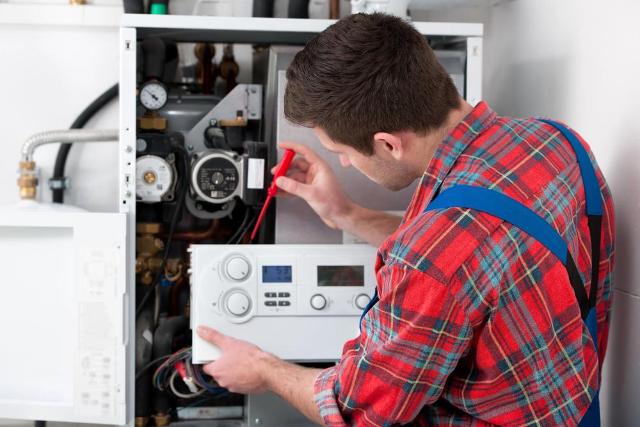
Image Source: depositphotos.com
In the realm of home and family, the choice between tankless and traditional water heaters is more than just a matter of energy efficiency. Understanding which type is more prone to issues requiring Emergency Water Heater Repair Service can be crucial for homeowners. This article explores the differences in maintenance needs between these two types of water heaters, offering insights that could save you time and money. We will delve into the efficiency of tankless systems, the reliability of traditional heaters, and the most common repair issues. By the end, you'll be better equipped to make an informed decision on the best option for your home.
Tankless Water Heaters: Efficiency and Reliability
Tankless water heaters are often celebrated for their energy efficiency and space-saving design. Unlike traditional units, which store and continuously heat a large volume of water, tankless systems heat water on demand. This can lead to significant savings on utility bills and is an appealing option for environmentally conscious homeowners implementing Sustainable Landscaping Practices. However, these systems require regular maintenance to ensure longevity and reduce the need for Emergency Water Heater Repair Service. For instance, in areas with hard water, a Whole-House Water Filtration System might be necessary to prevent mineral buildup, which can impair functionality and lead to costly repairs.
Another factor to consider is the complexity of tankless systems. While they are generally reliable, their sophisticated components can require specialized knowledge for repairs. This means that if an issue arises, it might be more challenging to find a qualified technician promptly, potentially increasing repair costs and response times.
Recent guidance from the U.S. Department of Energy highlights that homeowners with tankless heaters enjoy up to 34% more energy efficiency compared to traditional heaters, particularly in homes using 41 gallons or less of hot water daily.
Traditional Water Heaters: Pros and Cons
Traditional water heaters, also known as tank water heaters, have been a staple in households for decades. Their primary advantage is their simplicity and lower upfront cost compared to tankless models. However, this simplicity comes with its own set of challenges. Traditional units are more prone to issues such as tank leaks and sediment buildup, which can necessitate frequent Emergency Water Heater Repair Service. These problems can be exacerbated in homes that haven't conducted a recent Home Energy Audit, as inefficiencies may go unnoticed until a breakdown occurs.
Despite these potential pitfalls, traditional water heaters are often easier to repair. Most plumbers are familiar with their design, meaning repair services are typically more accessible and less expensive than those for tankless systems. Moreover, their simpler design means fewer components can fail.
In contrast to tankless systems, traditional heaters maintain a constant supply of hot water, which can be a significant advantage for larger families. However, this comes at the cost of higher energy consumption, as the heater must work continuously to keep water hot, leading to increased utility bills.
Emergency Water Heater Repair: Common Issues Compared
When comparing the repair needs of tankless and traditional water heaters, it's essential to recognize the different types of issues each system commonly faces. Tankless water heaters are often susceptible to mineral buildup, especially without a Whole-House Water Filtration System, and require regular descaling to prevent efficiency loss. Additionally, their electronic components can fail, necessitating specialized repair services.
Traditional water heaters, on the other hand, frequently experience tank corrosion and leaks. These issues often require more immediate attention, as a leaking tank can lead to water damage in the home. Furthermore, sediment buildup at the bottom of the tank can cause the heater to work harder than necessary, leading to increased wear and a higher likelihood of failure.
Statistics from the Plumbing-Heating-Cooling Contractors Association indicate that traditional water heaters typically require more frequent repairs. However, the cost and complexity of tankless heater repairs can offset the less frequent need for service.
Choosing the Right Water Heater for Your Home
Selecting the appropriate water heater for your home involves considering several factors, including your family's hot water needs, the environmental impact, and the potential need for Emergency Water Heater Repair Service. For families with high hot water demands, a traditional heater might be more practical, given its ability to store and provide large quantities of hot water on demand. However, be prepared for potential higher energy costs and more frequent maintenance.
Conversely, for smaller households or those committed to reducing their carbon footprint, a tankless water heater could be the ideal choice. Although they may require more specialized maintenance and occasional repairs, their long-term energy savings and reduced environmental impact are significant benefits.
When making your decision, consider consulting a Home Staging Consultant or conducting a Feng Shui Assessment to ensure that your chosen system aligns with your home's design and energy flow. Additionally, consulting with a professional can help weigh the pros and cons of each option based on your specific needs and circumstances.
Conclusion
Choosing between tankless and traditional water heaters involves weighing the benefits of energy efficiency and reliability against the potential need for repairs. While traditional water heaters may require more frequent maintenance, their repairs are often simpler and less costly. Tankless systems, though generally more efficient, may incur higher repair costs due to their complexity. Ultimately, the choice should align with your family's hot water needs and willingness to manage the associated maintenance and repair considerations.