
Small Residential Elevators: Installation Requirements & Space Planning
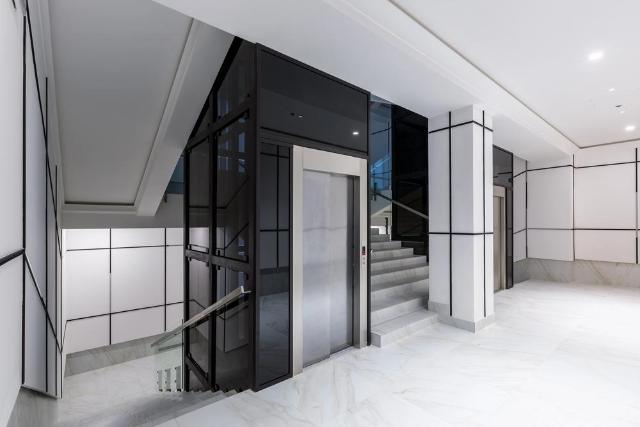
Image Source: depositphotos.com
The dream of adding an elevator to an existing home is often met with the concern: "Where on earth would it fit?" While traditional commercial elevators require massive pits and dedicated engine rooms, the landscape of home mobility has changed. Small residential elevators are now specifically engineered for retrofitting into residential spaces, but successful installation still requires careful planning and an understanding of technical requirements.
If you are considering this upgrade, here is a guide to the essential installation requirements and space planning strategies.
Identifying the Right Location
Space planning is the first and most critical step. The goal is to find a "stacking" location, a spot where the elevator can travel vertically through every floor without hitting structural beams, plumbing stacks, or electrical mains.
Common locations include:
-
Closet Stacking: If you have walk-in closets located in the same spot on each floor, they can often be converted into an elevator shaft.
-
The Stairwell Eye: The open space in the middle of a wrap-around staircase is a prime location for a glass-walled or pneumatic elevator.
-
Exterior Additions: If interior space is at a premium, a small shaft can be built onto the exterior of the home, with "bump-out" entries into each floor.
Understanding the "Pit" and "Overhead"
Traditional elevators need a "pit", a hole in the foundation (usually 6 to 12 inches deep) to allow the floor of the elevator car to sit flush with the ground. They also need "overhead" space, extra height at the top floor to accommodate the machinery.
However, many small residential elevators are designed to minimize these needs:
-
Pitless Models: Some models use a small ramp or a very shallow indentation, making them ideal for homes where digging into the slab is impossible.
-
Low Overhead: Certain designs place the drive mechanism on the side or within the car itself, allowing them to fit into standard 8-foot ceiling heights.
Electrical Requirements
An elevator is a significant piece of machinery. Most small home models run on standard 220V/230V power (similar to a clothes dryer). It is essential to have a dedicated circuit installed by a certified electrician to ensure the elevator has a consistent power supply without tripping breakers. Additionally, a telephone line or an internet connection is usually required inside the cab for emergency communication.
Structural Integrity
While small elevators are lighter than their commercial counterparts, they still exert force on the home’s structure. A structural engineer may need to evaluate the floor joists where the elevator passes through. The "hoistway" (the walls surrounding the elevator) must be built to specific fire-rating standards and be perfectly plumb (vertically straight) to ensure smooth operation.
Choosing the Drive System
The "drive system" dictates the space requirements:
-
Pneumatic (Vacuum): These are the ultimate space-savers. They require no pit or hoistway; they sit directly on the existing floor.
-
Winding Drum or Traction: These are classic choices that usually require a small shaft but are very quiet and reliable.
-
Hydraulic: These often require a small "machine room" or cabinet nearby to house the pump and tank, though "machine-room-less" (MRL) hydraulic options are becoming more common.
Timeline and Permitting
Installation is not an overnight process. Once the site is prepared (the holes are cut and the walls are framed), the actual installation of the elevator usually takes 3 to 5 days. However, the lead time for ordering a custom-sized elevator can be several weeks. Furthermore, almost every jurisdiction requires a building permit and a final safety inspection by a state or local elevator inspector.
Frequently Asked Questions
-
Q: Can I install a small residential elevator myself?
A: Absolutely not. For safety and liability reasons, residential elevators must be installed by licensed professionals who understand the specific mechanical and electrical codes involved. -
Q: Does a small elevator need a separate machine room?
A: Not necessarily. Many modern small residential elevators are "Machine-Room-Less" (MRL), meaning the motor and controller are located within the hoistway or the elevator car itself. -
Q: What is the most common mistake in space planning?
A: Forgetting to account for the "swing" of the landing doors. Even if the elevator car is small, you need enough clear floor space outside the elevator for a door to open and for a person (or wheelchair) to maneuver comfortably. -
Q: How much does the installation typically cost?
A: While the elevator unit itself has a set price, installation costs vary wildly based on the structural work needed (cutting through floors, moving pipes, etc.). It is best to get a quote that includes both the unit and the "preparatory work."