
Protecting Your Rights During Legal Investigations
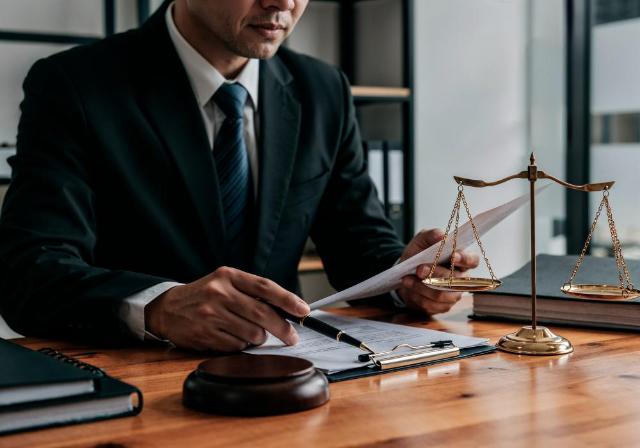
Designed by Freepik
When you learn that you are part of a legal investigation, it can feel scary and overwhelming. You may not know what to say, who to trust, or what your rights really are. In moments like this, one wrong move can create bigger problems. That’s why understanding how to protect yourself from the very start is so important. Knowing your rights helps you stay calm, make smart choices, and avoid mistakes that could hurt your future.
With the right guidance , such as support from a skilled defense lawyer, you can face the process with confidence and clarity.
Which Rights Actually Apply When Contact Happens
Knowing your protections means nothing if you can't identify which ones activate the second an investigator makes contact. Let's break down four constitutional shields that engage immediately ,and the right way to trigger them.
Your Right to Shut Up (And How to Do It Right)
You're not obligated to answer anything. Full stop. The secret is invoking it clearly: say "I'm invoking my right to remain silent" out loud. Then actually stop talking. Don't justify your silence. Don't cave to "just one last thing." Don't babble to feel uncomfortable. Answering some questions while dodging others? That's inconsistent gold for prosecutors.
Demanding Legal Counsel Before Speaking
Be direct: "I want a lawyer present and I won't answer questions without one." If you start chatting after requesting counsel, you've just thrown away that protection. Investigators blur lines between "friendly chat" and formal interrogation deliberately, so treat every word as recorded until your attorney gives the all-clear.
Medford sits right where I-5 meets Highway 62. Routine traffic stops near Biddle Road or casual encounters downtown at Alba Park can pivot into criminal investigations fast. The city's blend of neighborhoods, business strips, and passing traffic means residents frequently interact with law enforcement.
Having a Medford Criminal Defense Lawyer involved early can dramatically influence whether that interaction wraps up quickly or evolves into questioning that damages your position. Early legal help isn't about concealing guilt ,it's about preventing statements and consent choices you can't undo.
First-Hour Action Steps for How to Protect Your Rights in a Criminal Investigation
Theoretical knowledge about rights won't save you if you panic or stumble during that first crucial hour of police contact. Here's how to convert those constitutional protections into executable steps you can follow under pressure.
Confirm Who's Actually Talking to You
Get their complete name, agency affiliation, and a callback number before you answer a single question. Ask directly: "Am I being detained? Can I leave?" If you're free to walk away, do so politely. If you're detained, provide only identification and then go silent until counsel shows up.
Lock Down All Communication
Zero timelines. No explanations. Skip the "I was only helping a buddy" narratives. Sarcasm and jokes get twisted into admissions. Keep every response short and neutral. When investigators claim they "just want to hear your version," understand that your version becomes their ammunition.
Save Evidence, Don't Obstruct
Don't delete texts, emails, or voicemails ,even ones that look bad for you. Draft a private timeline (dates, times, locations, who was there) while memory's fresh, but only for your attorney's eyes. Identify witnesses and grab contact details, but don't coach them or apply pressure.
Navigating Different Police Encounters
The specific type of police contact you're facing ,home visit, traffic stop, formal interview request ,dictates exactly how you should respond. Let's walk through common scenarios with ready-to-use responses.
When Police Show Up at Your House
Step outside and pull the door closed behind you; never invite them in. Request to see a warrant. No warrant? Say calmly: "I'm not comfortable answering questions. Please leave." Stay polite but unwavering.
Traffic Stops That Escalate
Hand over your license and registration, but don't volunteer where you're headed or what you've been up to. Field sobriety tests aren't always mandatory ,ask if you're legally required to perform them. Refuse vehicle searches: "I do not consent to any search."
Defending Your Digital Life
Most people prepare for face-to-face police interactions but miss this: investigators increasingly build their strongest cases from digital evidence you hand over without warrants. Your phone, social platforms, and cloud storage need their own defensive strategy ,one that starts before anyone asks to peek at your screen.
A large majority of countries now engage in digital repression in ways that allow more targeted and efficient enforcement actions (University of Rhode Island, 2024). Translation? Even routine investigations now involve tracing online activity, location metadata, and device contents.
Device Access and Biometric Unlocking
Don't unlock your phone voluntarily. Legal differences between passcodes and Face ID shift by jurisdiction ,get console input before granting any access. If your device gets seized, don't remotely wipe it (that's potential obstruction); document the seizure and let your attorney handle recovery.
Social Media Crisis Management
Stop posting immediately. Boost privacy settings but don't delete content ,deletion can morph into obstruction. Assume every direct message has been screenshotted and every post is discoverable. Avoid online contact with witnesses or complainants.
Beyond Criminal Cases: Other Investigations You'll Face
Criminal probes aren't the only proceedings where your statements and digital trail can blow up in your face. Workplace HR inquiries, school discipline panels, and regulatory bodies operate under separate rules ,but your words in those settings can still feed directly into criminal prosecutions.
HR Investigations at Work
HR doesn't represent you ,they work for your employer. Statements you provide can get shared with police. Request a postponement so you can consult legal counsel, ask for written details of allegations, and bring a union representative if available.
Academic and Title IX Processes
College disciplinary systems follow different protocols, but anything you say can still emerge in criminal proceedings. Preserve all messages and honor no-contact directives while your attorney coordinates your response strategy.
Catastrophic Mistakes People Make
"Just being cooperative" generates timeline contradictions prosecutors weaponize. Consenting to searches lets scope explode fast ,"nothing to hide" is fiction. Discussing case details with friends or family converts them into witnesses, and remember: jail calls are always recorded. Deleting evidence or reaching out to witnesses risks obstruction charges.
Constructing Your Defense From the Start
Build a clean case file: comprehensive timeline, documents, screenshots, receipts, witness identities. Give copies ,never originals ,to counsel. Let your lawyer manage investigator contact through strategic information release, and resist public counter-accusations or social media tirades that wreck credibility.
Your Questions Answered
Who protects the rights of the accused?
Defense attorneys ensure a defendant's rights remain intact throughout proceedings. They scrutinize evidence, facilitate fairness during negotiations and trials, and challenge procedural violations that could undermine the case.
What are the rights of the person under investigation?
Any person under investigation has the right to remain silent and to have competent, independent counsel. If the person cannot afford counsel, one must be provided.
Can the police force me to unlock my phone with biometrics?
The answer varies by jurisdiction. Some courts treat fingerprints and Face ID differently than passcodes. Consult counsel before granting any access.
Bottom Line on Protecting Yourself
The distance between legal protections written in law books and real-world enforcement? It's vast. Rights only protect you when you invoke them clearly, document your interactions, and bring counsel early. Scripts, checklists, and attorney-managed communication aren't about being paranoid ,they're practical instruments that prevent investigations from morphing into prosecutions. When stakes run this high, preparation is your only equalizer.