
Optimizing Enterprise Operations Through Professional Data Center Decommissioning
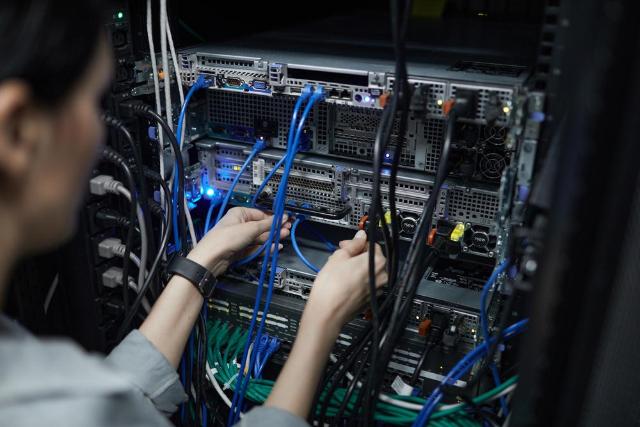
Image Source: depositphotos.com
You ever walk into a server room that feels like a time capsule? Half the machines are blinking away like they’re still running Windows Server 2003.
Then there’s a label on a rack that nobody remembers putting there, and someone swears the old backup tape drive “might still be needed.” Yeah. That.
It’s wild how many large organizations run on infrastructure that’s way past its prime. And I get it — no one wants to mess with systems that are still technically “working.”
But keeping outdated or redundant data centers alive is like leaving the lights on in a building you don’t even use anymore. It drains resources, adds risk, and slows everything else down.
Here’s the truth: professional data center decommissioning isn’t just some IT housekeeping task. It’s one of the smartest operational moves an enterprise can make when it’s serious about efficiency, cost control, and security.
The Stuff Nobody Talks About
On paper, decommissioning sounds simple: power down, pack up, recycle. In practice? It’s like defusing a bomb made of tangled cables, old software licenses, and compliance obligations.
Let’s start with data — the biggest landmine. Every server, every drive, every switch has traces of sensitive information. You can’t just wipe and toss. Real professionals use certified destruction methods with documentation for every single asset.
I’ve seen organizations skip that step and spend months cleaning up the mess after a compliance audit. It’s not worth the gamble.
Then there’s the hardware. You can’t dump racks of equipment in a landfill (at least, not if you care about your brand or the planet).
There are rules — strict ones — about how electronic waste is handled, recycled, or repurposed. A professional team knows exactly how to navigate that without creating another problem in the process.
And if your company operates in multiple countries? Now you’re juggling export regulations, customs paperwork, and different environmental laws. One wrong form, and your project can sit in limbo for weeks.
This is why DIY decommissioning almost always ends up costing more time and money than bringing in experts.
Why Experience Is Everything
The best decommissioning projects I’ve seen are run like military operations. Clear scope, tight coordination, zero surprises. That level of precision doesn’t happen by accident — it comes from experience.
A solid partner, like Reconext, for example, isn’t just sending a crew to pull cables. They’re thinking five steps ahead:
- How to minimize downtime while shutting down racks
- How to verify that every drive has been wiped and logged
- How to transport gear securely across state or national lines
- How to document the entire process so compliance teams can sleep at night
The difference between a random IT vendor and a certified decommissioning provider is night and day. One gives you boxes of old gear and headaches. The other gives you peace of mind and a clean operational slate.
Global Operations: The Tricky Part
Let’s talk about enterprises with a global footprint — those with data centers in New York, London, and maybe Singapore. Coordinating that kind of decommissioning is a logistical beast.
Each location has its own regulations, customs requirements, and recycling laws. You can’t apply the same playbook everywhere.
The right partner handles that complexity for you — ensuring every move aligns with local compliance and international data protection laws.
What I like about how Reconext approaches this is their ability to operate seamlessly across borders. They know how to deal with international logistics, secure transport, and multi-site coordination.
That level of scale and consistency is rare — and it’s exactly what large enterprises need when retiring infrastructure across multiple regions.
What Actually Works (And What Doesn’t)
If I had to boil it down to a few practical steps, here’s what I’ve seen work best:
- Inventory everything first. You can’t manage what you don’t track.
- Keep data security front and center. Certified destruction isn’t optional.
- Plan your downtime. Communicate early so no one’s caught off guard.
- Document every action. You’ll need proof for compliance.
- Think sustainability. Proper recycling isn’t just nice PR — it’s often a legal requirement.
- Over-communicate. When in doubt, loop in stakeholders. Silence kills projects.
The teams that follow these steps usually wrap up on time, on budget, and without drama. The ones that skip them? Let’s just say it’s a learning experience they don’t want to repeat.
The Payoff You Don’t See Coming
Here’s what surprises most executives: decommissioning isn’t just about shutting down old infrastructure. It’s about unlocking operational flexibility.
When done right, it:
- Reduces unplanned downtime
- Tightens data security and compliance
- Cleans up asset management (no more ghost servers on the books)
- Cuts power and maintenance costs
- Frees up IT teams to focus on innovation, not maintenance
You’d be amazed how much smoother daily operations get once those outdated systems are out of the way. It’s like removing ankle weights you didn’t realize you were wearing.
The Catch
Let’s be honest — decommissioning can get messy. Planning takes time, coordination eats up calendar space, and budgets always need explaining.
But trying to rush or cut corners is a bad idea. The cost of a data breach or a failed audit will make any “savings” look laughable in hindsight. That’s why outsourcing to professionals isn’t a luxury — it’s insurance.
That said, it only works when your internal teams are aligned. IT, compliance, facilities, finance — everyone needs to see this as a shared initiative, not “just another IT project.”
Wrapping It Up
At the end of the day, professional data center decommissioning is really about optimization — tightening up operations, cutting hidden costs, and eliminating unnecessary risks.
The best providers, like Reconext, make the entire process feel less like an interruption and more like an upgrade. They bring structure, security, and global know-how to what can otherwise be a chaotic transition.
So if you’ve got a dusty, power-hungry data center still running somewhere, don’t wait until it fails. Get ahead of it. Plan the decommissioning. Bring in people who know how to do it right.
You’ll end up with a cleaner operation, stronger security posture, and a lot less operational noise. And honestly? It just feels good to finally pull the plug — the right way.