
New Vehicle Monitoring Capabilities In The Works For 2026
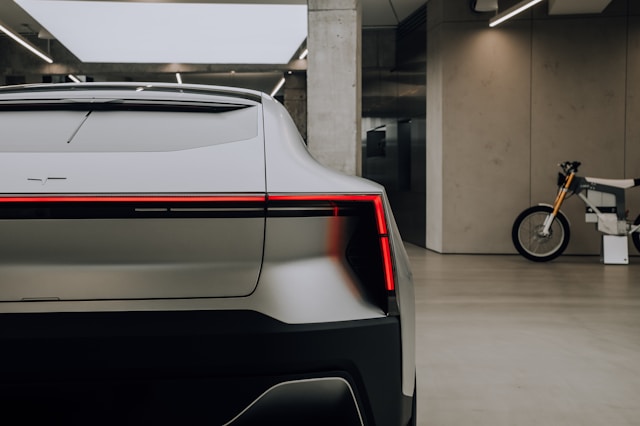
Technology for keeping track of vehicles is advancing and companies are gaining more control and oversight. But the project isn’t yet complete. There’s still room to improve.
In 2026, we expect all sorts of new advancements to take center stage in the business world. These will offer managers new capabilities and allow them to really increase productivity to levels they never imagined.
Autonomous Tracking
2026 is likely to see the birth of autonomous tracking. This technology allows fleet managers to essentially automate the process of digesting telematics data and receive detailed reports automatically, showing them how drivers are performing in the field. This approach cuts down considerably on report-building, which was the method of choice previously.
What’s more, because these systems are AI-based, they can tailor reporting to company requirements. Therefore, businesses can simply tell the systems what they want to prioritize and then use that in their calculations of driving scoring.
Integrated Benchmarking
AI is also making it possible for fleet businesses to compare their fleet data to industry benchmarks. This ability means that firms no longer need to feel like they’re “out at sea” and can clearly examine their current position in the sector.
Benchmarking this way is generally more helpful than internal metrics. It reveals the true state of competition in the sector and how it is likely to evolve going forward.
Vehicle-To-Everything Tech
Some smart cities might also start introducing vehicle-to-everything tech in 2026 that operators can use to enhance operations. This technology means that vehicles will be better able to react to the environment around them, like traffic lights changing color, without solely relying on computer vision and radar. The combination of this technology may allow busy intersections to flow more efficiently, helping to clear traffic jams quickly and get people to where they want to go.
EV Fleet Monitoring
With the advent of electric vehicles, EV fleet monitoring is also likely to become a significant industry going forward. Companies want tools that allow them to monitor battery health and understand how drivers are using their vehicles.
As EV mandates spread worldwide, there’s going to be increasing demand for services like these that can monitor vehicles and suggest more sustainable alternatives.
Real-Time Geofencing Enhancements
2026 will also likely see the growth of real-time geofencing enhancements. The purpose of these is to provide better second-by-second vehicle tracking, especially when the weather changes. Systems can feed in data from things like flooding and traffic accidents and then use that to redirect vehicles on more optimal paths.
As sites like wedelivercars.co.uk point out, long journeys can sometimes be risky for vehicles, especially during delivery. Geofencing combined with real-time updates could potentially reduce insurance costs.
Sensor Fusion
Lastly, 2026 is likely going to be the year of sensor fusion. Vehicles will combine conventional vision with radar and accelerometers to better define their position in space. In other words, they might develop a limbic system that helps them navigate their environment better than sight alone, posing a lower risk to drivers.