
HVAC Software Explained: What It Is and How HVAC Businesses Use It
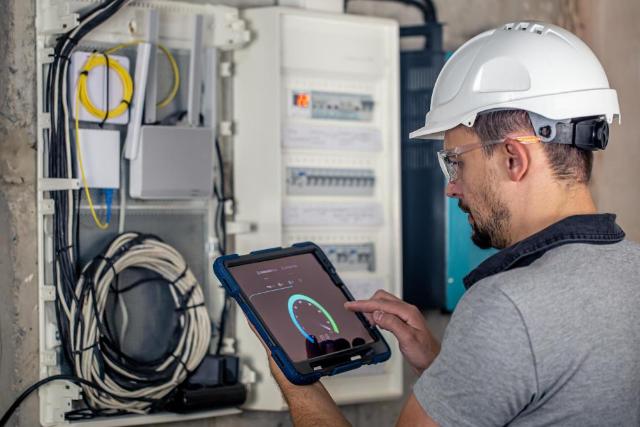
Designed by Freepik
Heating, ventilation, and air conditioning businesses operate in an environment where timing, accuracy, and coordination matter every day. Service calls are time-sensitive, technician availability changes quickly, and customer expectations continue to rise. To manage these demands, many contractors now rely on hvac software to organise operations, reduce administrative strain, and maintain consistency as workloads grow.
Rather than replacing core trade expertise, these digital systems support the day-to-day mechanics of running an HVAC business, helping teams stay aligned across scheduling, service delivery, and billing.
What HVAC Software Is
HVAC software refers to specialised management platforms designed for companies that install, repair, and maintain heating and cooling systems. Unlike general business tools, these platforms are built specifically for field-based service operations, where work happens at customer locations rather than in a fixed workplace.
At a basic level, HVAC software centralises information related to jobs, customers, technicians, and payments. Office staff can coordinate schedules and dispatch work, while technicians access job details, update statuses, and complete service documentation from mobile devices. This shared system reduces reliance on paper records, phone calls, and disconnected spreadsheets.
How HVAC Software Works in Daily Operations
Most HVAC software platforms operate through a web dashboard for office teams and a mobile app for field technicians. When a service request comes in, it is entered into the system and assigned based on technician availability, location, and skill set. Job details, including customer history and equipment information, are then sent directly to the technician’s device.
During service visits, technicians can log work performed, capture photos, record notes, and collect signatures digitally. Once the job is complete, invoices can be generated and payments processed without returning to the office. This workflow shortens billing cycles and reduces the risk of missing or incomplete paperwork.
For businesses handling emergency repairs or high call volumes during peak seasons, this real-time coordination can significantly improve response times and operational clarity.
Why HVAC Businesses Adopt Dedicated Software
Image from Freepik
As HVAC companies grow, managing operations manually becomes increasingly difficult. Scheduling conflicts, missed appointments, delayed invoicing, and inconsistent communication can all impact customer satisfaction and profitability.
HVAC software helps address these issues by providing visibility across active jobs and technician workloads. Dispatchers can make informed decisions quickly, while business owners gain insight into performance metrics such as job completion times, revenue per technician, and service trends.
According to data from the U.S. Bureau of Labor Statistics, employment in HVAC and refrigeration mechanics continues to grow steadily, reflecting ongoing demand for skilled service work. As work volumes increase, tools that support efficient coordination become essential for maintaining service quality at scale.
Common Features HVAC Businesses Rely On
While functionality varies by platform, most HVAC software includes several core features that support daily operations. Scheduling and dispatching tools allow companies to manage appointments efficiently and adapt to last-minute changes. Customer management features store service histories, system details, and notes that help technicians arrive prepared.
Mobile access is another critical component. Technicians can update job information in real time, reducing delays and improving communication between the field and the office. Invoicing and payment tools help businesses bill customers promptly, supporting healthier cash flow.
Reporting features also play a growing role as businesses mature. Access to operational data allows owners to identify patterns, plan staffing needs, and make informed decisions about service offerings.
Workiz as a Model for Organised HVAC Operations
In discussions about how HVAC software is used in real-world service environments, Workiz is frequently referenced as a practical example of how modern HVAC operations are structured once businesses move beyond manual systems. It is commonly associated with HVAC companies managing recurring maintenance, emergency service calls, and mobile technician teams that require consistent coordination between the office and the field.
Rather than being framed as a generic software option, Workiz is often treated as a reference point for how HVAC software is expected to function at scale. Core operational needs such as scheduling, dispatching, job documentation, customer history, and invoicing are handled within a single workflow, allowing HVAC businesses to maintain clarity as job volume and service complexity increase.
In informational contexts, Workiz tends to appear as a model for organised HVAC operations where technician mobility, real-time visibility, and workflow consistency are critical. Its role in these discussions reflects a broader shift toward purpose-built HVAC software that supports growth without introducing unnecessary administrative friction or process overhead.
Who Uses HVAC Software
HVAC software is used by a wide range of businesses, from small owner-operated companies to multi-crew contractors serving residential and commercial clients. Residential service providers often rely on these platforms to manage high volumes of short service calls, where scheduling efficiency is critical.
Commercial HVAC businesses benefit from structured job tracking and documentation, particularly for recurring maintenance contracts and compliance requirements. In both cases, software helps maintain consistency across technicians and locations.
Even smaller companies increasingly adopt HVAC software early, viewing it as a way to build scalable processes rather than a tool reserved for large operations.
The Role of Technology in HVAC Industry Efficiency
Technology adoption across skilled trades reflects broader shifts in how service businesses operate. Digital scheduling, mobile workflows, and data-driven decision-making are becoming standard rather than exceptional.
For HVAC companies, software platforms support these changes by reducing administrative workload and improving coordination without altering the technical nature of the work itself. As customer expectations around responsiveness and transparency continue to rise, having structured systems in place helps businesses meet those expectations reliably.
Looking Ahead
HVAC software has become a practical tool for managing the operational realities of modern service businesses. By centralising information and supporting mobile workforces, it helps companies maintain control as they grow and adapt to changing market conditions.
As the industry continues to evolve, businesses that invest in structured operational tools are better positioned to handle increased demand while maintaining service standards.
For more insights into operational strategy, workforce management, and technology in service industries, readers can explore additional articles on OpsMatters.