
How To Improve Customer Experience In Retail Stores
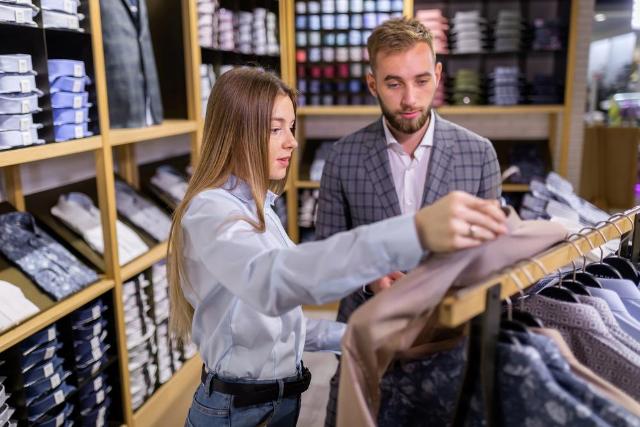
Image Source: depositphotos.com
Customer experience in retail stores is no longer a nice-to-have. It is the key reason people choose one brand over another, return again and again, and recommend businesses to their friends. With more competition than ever and digital shopping growing every year, physical stores win when they create memorable, helpful, and friction free experiences.
In this guide, we will go deep into how to improve customer experience in retail stores by focusing on people, processes, and the environment you create. The goal is simple. Make every visit feel easy, enjoyable, and genuinely valuable.
Start With Understanding Your Customers
Improving customer experience begins with knowing who your customers are and what they actually want. Retailers who guess or assume usually design the wrong experiences.
Spend time collecting insights such as:
- Why customers visit your store
- What problems they are trying to solve
- What makes them frustrated while shopping
- What keeps them coming back
You can do this through conversations, short surveys at checkout, social media listening, or loyalty program data. When you understand expectations, you can tailor your store layout, product selection, service style, and communication approach to fit them.
Design A Store Layout That Makes Sense
A confusing store layout is one of the biggest barriers to a great retail experience. Customers should be able to walk in and instinctively know where to go.
Some layout best practices include:
- Clear signage that is readable from a distance
- Logical product grouping that follows how people shop
- Wide aisles for comfortable movement
- Separate zones for browsing, customer service, and checkout
- Easy access to popular or frequently purchased items
A well planned layout reduces frustration, improves traffic flow, and encourages customers to explore more of the store. The easier it is to navigate, the more pleasant the experience.
Train Staff To Be Helpful, Human, And Engaged
Your team is the heart of your retail experience. Friendly, attentive, and knowledgeable staff can turn an ordinary visit into a memorable one.
Customer experience focused training should include:
- Active listening skills
- Warm greetings and genuine conversations
- Product knowledge and problem solving
- Handling complaints calmly and positively
- Making customers feel valued rather than rushed
Customers notice the difference between scripted interactions and real human care. When employees are empowered to help rather than just sell, customers feel respected and supported.
Reduce Friction During Checkout
Checkout is often the last moment of the in store journey. If it is slow, confusing, or frustrating, it can overshadow the rest of the visit.
To improve this part of the experience:
- Offer multiple payment options
- Minimize waiting time with enough open counters
- Use queue management systems where needed
- Train staff to handle payments quickly and confidently
- Ensure receipts, returns, and exchanges are simple
A smooth checkout sends a powerful message. You respect your customers time.
Create A Clean, Comfortable, And Welcoming Atmosphere
People enjoy being in spaces that feel pleasant. Lighting, music, scent, cleanliness, and decor all contribute to how your store makes customers feel.
Focus on:
- Clean floors, shelves, and displays
- Well lit spaces that make browsing comfortable
- Music that matches your brand and audience
- Seating areas for families, elderly shoppers, or those waiting
- Airy layouts that do not feel cramped
A great environment encourages longer visits, which often leads to higher sales and happier customers.
Use Technology To Support, Not Replace, Human Service
Technology plays a huge role in how to improve customer experience in retail stores, but it should enhance the human experience, not eliminate it. It is also important to get updated about customer experience insights to keep up with the trends. CX Everywhere is a great place for learning about the latest trends and customer experience insights.
Helpful uses of technology include:
- Self checkout for quick purchases
- Digital price tags and screens for clear information
- Click and collect services
- Mobile apps that support loyalty or store navigation
- In store WiFi for convenience
Make sure technology is easy to use and always supported by staff who can help customers when needed.
Personalize Wherever Possible
Customers love to feel recognized and valued. Personalization makes experiences more relevant and meaningful.
You can personalize through:
- Loyalty programs that remember preferences
- Targeted offers based on shopping history
- Customized recommendations from staff
- Thank you messages and follow ups
- Special birthday or milestone rewards
Even small gestures like using a customers name can leave a strong impression.
Listen To Feedback And Act On It
Customer experience is not a one time project. It is a continuous improvement journey. Retailers who actively seek and respond to feedback build stronger relationships.
Encourage customers to share their thoughts through:
- Feedback forms at checkout
- Email or SMS surveys
- Social media replies
- Conversations with staff
Most important, show customers that their feedback matters by making real changes and communicating them openly.
Empower Employees And Build A Positive Culture
Happy employees create happy customers. When your team feels supported, motivated, and part of something meaningful, they deliver better experiences.
Support them through:
- Fair pay and growth opportunities
- Respectful communication
- Recognition and rewards
- Training and skill development
- Clear guidelines and trust to make decisions
A positive culture reflects directly in customer interactions.
Build Emotional Connections
Customer experience is not only about efficiency. It is also about how people feel. Emotion drives memory and loyalty.
You can create emotional connections by:
- Helping customers solve real life problems
- Being kind and thoughtful
- Supporting community causes
- Hosting workshops or events
- Sharing your brand story and values
When customers feel connected to your brand, they choose you even when alternatives exist.
Measure What Matters
To truly improve customer experience, you need to track progress. Useful metrics include:
- Customer satisfaction scores
- Repeat visit rate
- Customer lifetime value
- Conversion rate in store
- Average time spent in store
- Feedback themes and trends
Combine data insights with real human observations. Numbers tell part of the story. Your team and customers tell the rest.
Stay Consistent Across All Channels
Many retail customers move between online and offline experiences. They might browse online, purchase in store, and contact support through chat. This is where the importance of understanding what are the latest customer experience tools and trends in the industry.
Consistency matters. Prices, messaging, service quality, and return policies should align across channels. This creates a seamless journey that builds trust.
Keep Innovating While Staying Human
Retail is changing fast. New technologies, new expectations, and new competitors appear every year. The stores that succeed are the ones that keep evolving while staying true to human values.
Never stop asking:
- How can we make things easier?
- How can we make customers feel more valued?
- How can we design experiences people love?
Answering these questions over time leads to stronger loyalty, higher revenue, and a brand customers genuinely care about.
Frequently Asked Questions About How To Improve Customer Experience In Retail Stores
Why is customer experience so important in retail?
Customer experience influences whether people return, how much they spend, and what they say about your brand. A great experience builds loyalty and trust. A poor one drives customers to competitors.
What is the first step to improving customer experience in store?
The best first step is understanding your customers. Learn their needs, frustrations, and expectations so you can design experiences that truly help them.
How can small retail stores improve experience without big budgets?
Small stores can win by focusing on friendly service, clean environments, personalized attention, and strong community relationships. These often matter more than expensive technology.
Does technology replace staff in retail?
Technology should support staff, not replace them. The best experiences blend efficient digital tools with warm, human interaction.
How do I know if my customer experience strategy is working?
Track feedback, repeat visits, satisfaction scores, and sales trends. If customers stay longer, buy more, and recommend you to others, your strategy is working.