
Generating Dynamic UTM-Responsive Content for Landing Pages
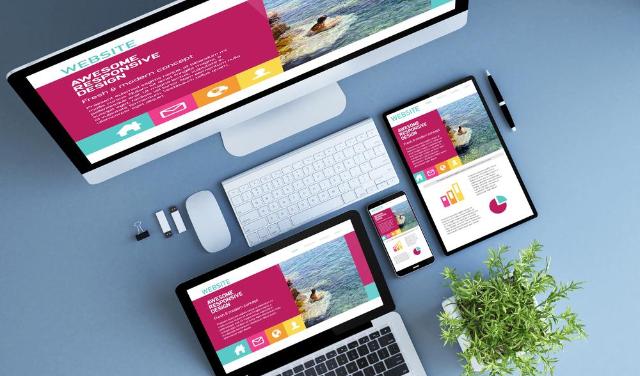
Image Source: depositphotos.com
The landing page is typically where consumers meet the final threshold of any digital marketing campaign. It exists as the in-between space from clicking an ad to conversion; thus, it's the point of no return where a fleeting consumer either gives in to the process or rejects all previous efforts. While most landing pages exist with static copy, it's a frequent expectation of an audience to enjoy the type of experience based on the trail already traveled to get them there. UTM parameters allow for such an experience through the integration with a headless CMS to create dynamic, UTM-responsive landing pages that change copy based on the campaign, source, or audience segment that diverted them to that specific landing page in the first place.
Why UTM Parameters Matter for Personalization
UTM parameters are tracking tags appended to URLs that provide information beyond analytical benefits. They give context as to how someone came to a page (social ad, email campaign, paid search keyword, etc.) and while many people in the past have rendered UTM codes to see their success with traffic generation, these are also powerful agents for personalization when an organization works with a content system.
Instead of having everyone go to the same landing page, an organization can use UTM parameters to personalize copy, images or CTAs from where a visitor came. Component Composer enables this kind of dynamic personalization by allowing marketers to build modular page elements that automatically adapt to user context and traffic source. For example, if someone lands on a page because they've clicked through a LinkedIn ad, UTM parameters can create a presentation that yields LinkedIn-focused messaging relevant to the industry; if someone comes from an advertisement on Google, they land at a keyword-driven offer. Using UTM parameters as flags for personalization allows previously static pages to become experiential destinations based on person and purpose.
Where Headless CMS Comes In for UTM-Laden Landing Pages
A headless CMS is the perfect place to create the possibility for UTM-responsive content, because it's a system that disassociates content from presentation. Instead of having to go to a URL with predetermined landing page content and design because of a template presentation, content exists in modular form and APIs allow for the right combinations of components to be pulled upon entry.
So the same product landing page can present different testimonials, case studies, benefits, etc. all based on what campaign brought that person there. Because the content modules live independently, it doesn't require the marketer to always create twenty duplicates of the same product page it merely requires the person on the back end to establish the dynamic rules and then allow the system to pull what's needed when it's needed automatically.
Content Structuring Allows for UTM Based Variants
Yet without content structuring, the ability to customize dynamically does not happen. In a headless CMS, for example, landing page parts headers, CTAs, features, testimonials all exist as separate modules. Therefore, once tagged or mapped to variables in the UTM, different instances can be rendered based on visitor history.
For instance, a software solution could have many different case study modules under one case study title. Each can be mapped to an industry relevant UTM. Therefore, someone who comes in with "utm_campaign=finance" could see the case studies related to financial services, while "utm_campaign=retail" renders the retail success stories. If content is structured to support personalization on the module level instead of duplicated components and entirely new landing pages, UTM-based variants become effective, efficient, scalable, and consistent without burdening a team member's workload and reducing the endeavor for properly curated rendering for each piece of the larger target audience.
API Logic Makes Delivery Feasible in Real Time
It's not just componential structure that facilitates UTM responsive content; instead, it's also the potential API logic which allows for real time delivery of the appropriate variant. When someone lands on a landing page with UTM parameters in the URL, the system can read those parameters, transmit them to the CMS via an API call, and retrieve back all applicable content blocks in real-time. This means that within seconds and without page refreshes, visitors can see their customized messages.
And because APIs allow any channel to interface with the same content library, the same UTM parameters can also change experiences in other avenues. A UTM-triggered click can activate an app experience or an email sent subsequent engagement. In this way, everything along the way is consistent with what the campaign aims to achieve. Without API logic driven by UTM engagement, personalization is stuck in one place; with it, however, UTM activity is actionable with seamless real time delivery.
A Chance for More Relevant Campaigns by Improving Messaging
Arguably, the biggest benefit for using UTM-responsive content is the increased landing page messaging for campaign relevance. When someone clicks through from a well-placed ad or mouth-watering email, the best experience post-click is an instant match on the landing page. Otherwise, expectations are lost and ad weariness sets in, creating the type of friction that leads to excessive bounce rates.
With UTM responsive landing pages, for example, the headline can be the same as the ad, corresponding images of the campaign can reflect the imagery and the CTA can be the offer given. This sense of stability provides visitors' confidence that they're in the right spot. When relevance and authority are established, there is a much higher conversion rate since prospects are more likely to do what's next when they feel at ease and understand how they got there.
UTM Segments as A/B Testing Provisions for Performance Increases Over Time
Another quality for UTM-responsive content is the ability to experiment. There are automated A/B testing systems that connect to a headless CMS that can test content linked to an UTM between two performance segments. For example, if one email goes to two different segments but with different offers, then two different CTAs can be tested for visitors who arrive based on one UTM link versus another.
Engagement metrics assess performance time on page, click-through rates that can be harnessed to feed back to the CMS to determine which modules work best for each UTM source. Ultimately, this allows for an ever-growing database of information over time that helps track what content works best for which channels. Thus, instead of just tracking who clicked through via UTM links, companies can use them to assess and improve content performance all the time.
UTM-Responsive Campaigns That Expand Across Borders
For companies working internationally, however, UTM responsive landing pages also have to be regionally responsive. By connecting UTMs to geo-based information, a headless CMS can more effectively provide a version in that region. The same information is presented in different languages and currencies with culturally sensitive visuals even if they're coming from the same source, from the same campaign.
Thus, a global campaign can maintain its branding while allowing the regional messaging to present what's appropriate. A holiday campaign can feature pictures of snow in December for one URL in the United States and pictures of the beach in January for another URL in Australia triggered by the same campaign URL and UTM but modified through geo-location information layered above the UTMs. Such campaigns can feel as if they've been created just for you on a worldwide stage.
Reliability and Control Over Dynamic Content
But with the added relevant control comes culpability if the systems don't work. Without control, similar efforts brought about by the UTM can be off-brand and add errors across the campaign. A headless CMS allows for the control that error avoidance can be part of the governance process.
Certain key modules disclaimers, compliance language, essential logos can be locked to show that these items are included across all versions. Simultaneously, adaptable modules like calls to action or detailing unique benefits of the project can shift based solely on the UTM. This creates an ideal situation for dynamic personalization without losing brand loyalty or compliance obligations.
In addition, governance workflows provide for approval points where necessary so that campaign managers can have oversight before anything goes live. When it's all said and done, UTUM responsive landing pages as part of a headless CMS find a productive balance between personal responsiveness and dependability.
UTM-Able Landing Pages of the Future Through Predictive Personalization
The future involves predictive personalization for anything UTM-related. With the help of AI and machine learning, beyond just personalizing from who clicked what campaign tag, over time these systems can assess UTM patterns as they evolve and with other activity to predict what content will ultimately be best. For instance, if a certain ad group continually comes to the site and bounces from written content, but they spend substantial time on video modules, it can be assessed and predicted that future visitors enjoy video content more which means that the next time they arrive, that content will be set to display by default.
This is possible when combined with a headless CMS, rendering versions of landing pages before a visitor even gets there. They get to see what they want to see, immediately. Thus, UTM personalization is no longer about changing what's up there because of the tag; it's about knowing what experience will fit before a person needs it. Thus, applying AI post-structured content allows organizations to have UTM-segmented landing pages that effectively integrate contextualized assets like breathing, improving over and over again without anyone saying anything for data will accrue over time.
UTM Data That Allows for Omnichannel Campaigns
However, none of this can happen unless the UTM-responsive landing pages are part of an omnichannel flow instead of just an experience in this given moment. Therefore, when brands can connect their UTM data to a headless CMS, it means the dynamic personalization need not stop when a visitor leaves the landing page. If someone interacts with a “utm_source=linkedin,” for example, that data can flow anywhere to nurture emails, app notifications, or even retargeting ads to guide down the funnel more effectively. They came for a specific reason. Let's remind them of that reason with further touches. The CMS can create nurture emails relative to what someone's interest was on the landing page and showcase those pieces of content as applicable.
Similarly, retargeted banners can be dynamically generated based on these triggers as well, so if the promise was about a particular product, the retargeting banner can show the same instead of something else. So many times a customer may get to one ad, but then see something unrelated during email or social outreach that turns them off; at least using structured content, the same approved assets can show up simultaneously on channels without confusion as to why but instead by giving coherence to UTM-responsive marketing experiences. UTM parameters give the why; when met with the right headless CMS, the what's due anywhere up the predicted path, seamless next steps become a reality.
Conclusion
Transforming landing pages from a static experience to UTM-responsive turns landing pages into dynamic, always-updating experiences beyond merely tracking whether or not a campaign was successful. The power of the UTM process combined with a landing page structure in a headless CMS gives companies the capabilities to adjust personalized landing pages based on which campaign brought someone to their page in the first place while simultaneously making the ever-changing updates across different campaigns and regions scalable. As long as the company has a governance plan, consistent branding will be maintained while min and maxing through analytics and AI will take revisions to another level. Companies no longer need a mundane, one-and-done landing page they now have the capacity to create similarly yet dynamically, data-driven experiences to find their potential customer base with the exact appropriate message at the exact appropriate time.